
What August is really about
Most of August is about keeping pace with the harvest. Pick every couple of days, keep the water steady so tomatoes don’t crack, and deadhead the annuals so they carry on into September. A garden left alone for two weeks in August doesn’t pause - it goes to seed.
But the smart gardener is already looking ahead. Fall vegetables planted now give the sweetest broccoli, carrots and greens of the year. Cool-season lawns are about to enter their best seeding window. And semi-ripe cuttings, taken now, root readily to give you free plants by spring.
A few pests also make their late-summer entrance: the webbed nests of fall webworm on branch tips, spotted lanternfly adults in the Mid-Atlantic and Northeast, and chinch bugs and armyworms in Southern lawns.
Where you are matters. In zones 3-4, August can end with a frost. In the Gulf states and the low desert it is still brutally hot, but the fall planting season starts this month. On the Atlantic and Gulf coasts, August through October is the most active stretch of hurricane season, and across the West it is the height of wildfire season.
August by growing zone
In August the North is racing toward its first frost while the South is only beginning its second growing season - so the jobs split sharply by zone. Pick your USDA zone to highlight your column, or find your growing zone by ZIP code.
Frost dates are approximate averages - your own garden can run a week or two either side.
Zones 3-4 Your zone
Northern Plains, upper Midwest, northern New England, high mountains · first fall frost about early to late September (earlier at elevation)
- Keep an eye on the forecast: an early frost is possible late in the month, especially at elevation - have row cover or old sheets ready for tomatoes and squash
- Sow quick crops only now: radishes, spinach, lettuce, arugula and Asian greens, early in the month
- Mid-August to early September is the prime window to seed or overseed cool-season lawns
- Stop fertilizing trees, shrubs and roses so new growth can harden before winter
- Order garlic and spring bulbs now; plant garlic in late September or early October
Zones 5-6 Your zone
Most of the Midwest, Northeast, Ohio Valley and interior West · first fall frost about early to late October
- Set out broccoli, cabbage and kale transplants early in the month; sow lettuce, spinach, turnips and radishes
- Prepare lawn areas now for seeding with tall fescue or Kentucky bluegrass from late August through mid-September
- Cure onions and garlic, and pick up dropped fruit to break the cycle of apple maggot and codling moth
- Cut out the silky nests of fall webworm on branch tips; in the Mid-Atlantic and Northeast, destroy spotted lanternflies on sight
- Late August is a good time to divide peonies and bearded irises
Zones 7-8 Your zone
Mid-Atlantic, upper South, Pacific Northwest lowlands, much of Texas and Oklahoma · first fall frost about late October to mid-November
- Transplant broccoli, cabbage, collards and cauliflower late in the month; direct-sow beans, carrots, beets and turnips
- Zone 8: set out fall tomato and pepper transplants early in the month, with shade for the first week
- Warm-season lawns get their last feeding of the year about six to eight weeks before your first frost
- Transition-zone fescue lawns: prepare to seed from early September, once nights cool
- Atlantic and Gulf coasts: August to October is the busiest stretch of hurricane season - prune weak limbs and stow loose items
Zones 9-10 Your zone
Gulf Coast, Florida, South Texas, Arizona deserts, coastal and inland California · frost rare to occasional; fall planting season begins
- Low desert: start the fall garden mid-August to September with beans, squash, cucumbers and corn; keep shade cloth up
- Florida and the Gulf Coast: start seeds of tomatoes, peppers and broccoli for transplanting in September and October
- Watch St. Augustine and Bermuda lawns for chinch bugs and fall armyworms, which can brown a lawn in days
- California and the inland West: clear dry brush and keep a defensible space around the house through fire season
- Keep solarizing empty beds until you plant
Zones 11+ Your zone
Hawaii, the Florida Keys, Puerto Rico · frost-free; the peak of hurricane season in the Caribbean and Florida
- Peak hurricane season: secure containers, trellises and shade structures, and keep pruning saws handy for storm cleanup
- Prune mango trees soon after harvest so they flower next season
- Sow tomatoes, peppers and lettuce for the cooler, drier months ahead
- Feed citrus and tropical fruit trees per the label during the wet season
- Check for scale, mealybugs and whiteflies, and keep mulch topped up
August at a glance
Six things that decide what is worth doing this month, wherever you are.
Conditions
Still hot almost everywhere; cooler nights arrive first in the North and the mountains
Pruning
Lavender and once-blooming roses after flowering; no heavy pruning of shrubs in cold zones
Fall garden
Zones 3-4: quick greens only. Zones 5-8: transplant brassicas. Zones 9-10: the season starts
Lawn
Cool-season seeding window opens in the North; last feed for warm-season grass
Harvest
Tomatoes, peppers, eggplant, sweet corn, melons, peaches and the first apples
Looking ahead
Order garlic and spring bulbs; cover crops on empty beds
Important garden jobs in August
If you only get to a handful of things this month, make it these.
Plant the fall vegetable garden
Broccoli, cabbage, kale and collard transplants, plus sowings of carrots, beets, turnips and lettuce. Count back from your first fall frost - in the South, this is the start of the best growing season of the year.
Prune lavender after flowering
Shear off the spent flower stems and cut into this year’s soft growth, leaving green below every cut. Never cut into bare wood - lavender rarely regrows from it.
Get ready to seed the lawn
For cool-season lawns, late summer is the best seeding time of the year. Kill or remove weeds, loosen bare patches and have seed ready for the first cooler spell.
Harvest and cure onions
Pull them when most of the tops have fallen over. Cure them in a warm, dry, airy spot out of harsh sun for two to three weeks before storing.
Top the tomatoes (North)
In zones 3-6, pinch out the growing tips and remove new flowers about a month before your expected first frost - small fruit set now won’t ripen in time.
Collect seed on dry days
Zinnias, cosmos, marigolds, calendula, poppies, hollyhocks and heirloom beans. Dry weather matters more than the date; store seed in labeled paper envelopes.
Take semi-ripe cuttings
Use this year’s shoots where the base has firmed up but the tip is still soft. Cut 4-6 in pieces below a leaf joint, strip the lower leaves and pinch the tip, then root them in a mix of seed-starting mix and perlite.
Sow cover crops on empty beds
Buckwheat for a quick late-summer cover in the North; cereal rye, crimson clover, oats or hairy vetch from late summer into fall to protect the soil through winter.
What to sow in August
How much you can still sow depends on the weeks left before your first fall frost.
Zones 3-6: fast crops
Early in the month in the coldest zones; until late August in zone 6.
- Radishes, arugula, mustard greens and Asian greens
- Lettuce and spinach - sow in a shaded spot so the seed germinates in the heat
- Turnips, kohlrabi and short carrots (zones 5-6)
- Spinach to overwinter under row cover or in a cold frame
Zones 7-10: the second season
Start the cool-season crops for fall and winter harvest.
- Beans, carrots, beets and turnips direct in zones 7-8
- Bush beans, summer squash and cucumbers in the low desert from mid-month
- Broccoli, cabbage, cauliflower and kale seed for transplanting in fall
- Collards and Swiss chard, which take the leftover heat in stride
Cover crops
The best use of an empty bed.
- Cereal rye - very cold hardy, holds soil and nutrients over winter
- Hairy vetch or crimson clover - legumes that add nitrogen
- Oats - winter-kill in zones 3-6, leaving an easy mulch in spring
- Cereal rye residue can suppress small seeds, so wait about three weeks after turning it in before sowing
What to plant in August
Vegetables and fruit
Give August transplants afternoon shade for their first week.
- Broccoli, cabbage, kale and collards (zones 5-8)
- Fall tomatoes and peppers (zones 8-10)
- Rooted strawberry runners into a new bed
- Order bare-root fruit trees now for the best choice of varieties
Bulbs: order now, plant later
The bulb season starts with fall bloomers.
- Autumn crocus and Colchicum as soon as they arrive
- Order tulips, daffodils and alliums now; plant them once the soil cools in fall
- Zones 8-10: tulips need about 8-12 weeks of chilling in the refrigerator before a winter planting
- Order garlic for planting in fall
For indoor holiday color
Plan now for flowers in November and December.
- Order paperwhites and amaryllis for holiday forcing
- Bring Christmas cactus outside into part shade until nights near 50°F
Flowers, borders and perennial care

What is blooming
Black-eyed Susans, coneflowers, Joe Pye weed, goldenrod beginning, phlox, dahlias, zinnias, sunflowers, Russian sage, hibiscus and the first sedums and asters - prime late-summer food for bees and migrating monarchs.
Tidy selectively
Cut back yellowing foliage on early bloomers and shear tired catmint for a late flush. Leave ornamental grass plumes and coneflower seed heads for winter interest and finches.
Cuttings of tender plants
Geraniums, coleus, salvias and fuchsias root easily now and overwinter on a sunny windowsill far more easily than whole plants. In zones 3-6, do it before the first frost.
Divide and support
Late August into September is the time to divide peonies and bearded irises. Stake tall asters and mums before late-summer storms flatten them, and keep deadheading annuals.
Trees, shrubs and climbers
Once-blooming roses, not repeat bloomers
Old-fashioned roses and ramblers that flower once in early summer can be thinned now: remove a few of the oldest canes at the base and shorten side shoots. Repeat-blooming roses are pruned in late winter instead.
Last trim for hedges
In zones 3-6, finish shearing hedges by late August so new growth can harden before frost. Don’t cut most conifers, such as arborvitae and juniper, back into bare brown wood - it won’t regrow.
Wisteria and fall webworm
Still time to summer-prune wisteria to five or six leaves. Fall webworm tents on branch tips look alarming but rarely harm healthy trees; prune them out or pull them open so birds can reach the caterpillars.
Storm-proofing
Remove suckers from tree bases and grafted roses. Before hurricane or storm season peaks, check stakes and ties and have an arborist look at large, weak or overhanging limbs.
Fruit and vegetable jobs
Harvest at its peak
Tomatoes, peppers, eggplant, sweet corn, melons and okra. A melon is ripe when it slips easily from the vine; set winter squash and pumpkins on boards or straw so they don’t rot underneath.
Grapes and berries
Net ripening grapes against birds and thin leaves around the bunches for airflow. Tie in new blackberry canes, and protect fall raspberries from spotted wing drosophila by picking often and refrigerating fruit quickly.
Tomato blights and leaf spots
Early blight and Septoria leaf spot climb up tomato plants in humid weather; late blight shows as large greasy gray-brown patches and spreads fast in cool, wet spells. Remove infected leaves, and pull plants with late blight entirely and bag them - don’t compost them.
Preserve the surplus
Freeze, can, dry or share. Drying herbs now on a dry morning gives you better flavor than cutting them later, when they flower and turn woody.
Containers, patio and greenhouse
Still peak watering
Daily for most pots, twice on the hottest days. Group containers together so they shade each other, and use saucers in the hottest spells.
Keep feeding the bloomers
Annuals and vegetables in pots still need a liquid feed every week or two, onto damp potting mix. Stop feeding container shrubs and perennials that will overwinter outside in cold zones.
Plan the fall containers
Mums, ornamental kale, pansies and asters for fall pots; violas and pansies are the winter color in zones 7-9.
Shade and ventilate
Keep greenhouse shade cloth on and vents open. Self-watering pots or a drip timer cover a late-summer vacation.
Clean the greenhouse
Late summer, before tender plants come back in for winter, is the easiest time to empty, wash and disinfect a greenhouse or sunroom shelves.
Pests and houseplants
Check houseplants summering outdoors for scale, mealybugs and hitchhiking insects now, so you can treat them before they come back inside. Spider mites remain active in hot, dry spells.
Lawn, wildlife, compost and soil
The lawn notes are brief - the details depend on whether you grow cool-season or warm-season grass.
Prepare to seed cool-season grass
Kill weeds, rake out dead patches and loosen the soil now, so you can seed tall fescue, Kentucky bluegrass or perennial ryegrass as soon as the heat breaks - mid-August in the far North, September in the transition zone.
Grubs and warm-season lawns
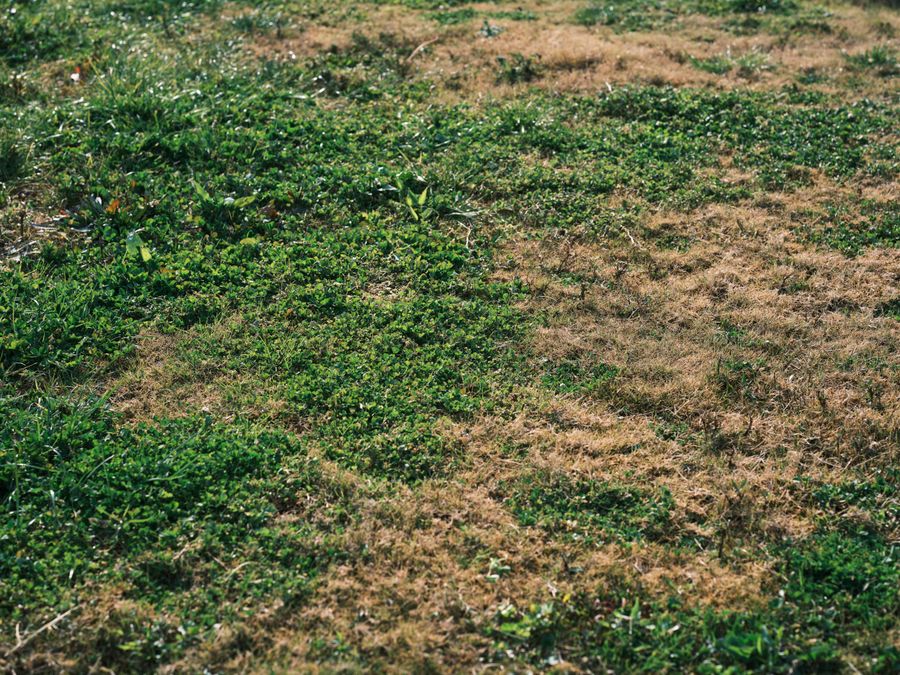
Brown patches that peel back like carpet usually mean white grubs feeding on the roots; late summer is when curative treatment works best. Warm-season lawns get their last fertilizer of the year now in most areas.
Water for wildlife
A clean, shallow birdbath is the most valuable thing in a dry August yard. Change the water every couple of days.
Fuel for migrants
Hummingbirds and monarchs start moving south in late summer. Keep feeders clean, leave goldenrod, asters and other late flowers, and let some seed heads stand for goldfinches.
Yellowjackets turn to sugar
Late in summer, yellowjackets switch from hunting insects to seeking sweets, which is when they crowd around ripe fruit, trash cans and picnics. Pick fruit promptly and keep cans covered.
Spotted lanternfly patrol
In the Mid-Atlantic, Northeast and parts of the Midwest, adult lanternflies gather on grapevines, maples and tree of heaven. Destroy them, and check your car before driving out of an affected area.
Cover crops on empty ground
As beds come clear, sow a cover crop rather than leaving soil bare through fall and winter.
Turn the pile
Summer heat is still on your side. Balance fresh green material with plenty of dry browns, and keep the pile as damp as a wrung-out sponge.
Keep the mulch topped up
Two to three inches. It is doing its most valuable work right now, keeping the soil cool and moist.
Pests, diseases and weather risks in August
Storms and fire
Hurricanes and tropical storms on the Atlantic and Gulf coasts; monsoon downpours in the Southwest; wildfire risk across the West. Plan ahead for each that applies to you.
Powdery mildew and fruit rots
Mildew coats squash, cucumbers, phlox and zinnias by late summer. Brown rot hits peaches and plums - remove and trash infected fruit rather than composting it.
Lawn pests
White grubs in Northern lawns; chinch bugs and fall armyworms in Southern ones. Check browning patches closely before you treat.
Watering problems
Blossom-end rot and cracked tomatoes come from uneven watering. Onions and garlic rot in storage if they aren’t cured properly first.
Jobs for this weekend
Six jobs you can actually finish in a weekend, most valuable first.
Ticks are remembered in this browser only, and nothing is sent anywhere.
August in the garden: common questions
When is the best time to seed a cool-season lawn?
Late summer to early fall. The soil is still warm enough for fast germination, the air is cooling, and weeds are slowing down. In the northern states that means roughly mid-August to mid-September; in the transition zone, September into early October. Aim to seed at least six weeks before your first fall frost so the new grass can establish. Warm-season grasses such as Bermuda and zoysia are the opposite: seed or sod them in late spring and early summer, never in fall.
How hard should I cut back lavender?
After flowering, trim off the spent flower stems and cut into this year’s soft, leafy growth, always leaving some green below each cut. Never cut back into bare woody stems, because lavender rarely regrows from old wood. In zones 5-6, do it by late August so the plant has time to firm up before winter. A very old, leggy plant is usually better replaced than rescued.
When should I stop fertilizing for the year?
Stop feeding trees, shrubs, roses and perennials by mid- to late summer in cold zones, because late fertilizer pushes soft growth that winter can kill. Warm-season lawns get their last feeding about six to eight weeks before your first frost. Cool-season lawns are the exception: their most important feedings come in early and late fall. Container plants and vegetables still producing can be fed until they finish.
How do I harvest and cure onions?
Pull them once most of the tops have flopped over and begun to yellow. Spread them out in a warm, dry, airy place out of harsh afternoon sun, such as a covered porch or garage with a fan, for two to three weeks until the necks are papery and tight. Trim the tops and roots, then store them somewhere cool and dry in mesh bags. Use any thick-necked bulbs first, as they don’t keep.
What should I do if I see spotted lanternflies?
The spotted lanternfly is an invasive planthopper from Asia that feeds on grapevines, maples, black walnut and its favorite host, tree of heaven. It is established in Pennsylvania and has spread to many nearby states. Adults are active from midsummer into fall: destroy them when you see them, and check vehicles and outdoor items before traveling so you don’t move them. From fall through spring, scrape the mud-like egg masses into alcohol. Reporting rules vary, so check your state department of agriculture.
What can I still plant in August?
That depends on your zone. In zones 3-4, only quick crops such as radishes, spinach and lettuce. In zones 5-7, fall transplants of broccoli, cabbage and kale, plus lettuce, turnips and other fast greens. In zones 8-10, August starts the second main growing season, with fall tomatoes, beans, squash and cucumbers in the low desert and seed-starting for cool-season crops along the Gulf Coast. Everywhere, it is a good time to sow a cover crop on empty beds.