Types of Landscape Timbers: Pressure-Treated, Cedar, Railroad Ties and the Alternatives
Walk into any home improvement store and you will find a rack of 8 ft timbers, a pallet of 6x6s and maybe a pile of used railroad ties out by the garden center. They all look like the same thing. They are not: the treatment, the species and where the wood has been decide whether it belongs around your tomatoes, how long it lasts in the ground, and whether you can lift it at all.
General guidance for US homeowners. Wood preservative rules and product labels change, so read the end tag on new lumber and check current EPA and state guidance before buying or reusing any treated or reclaimed timber. Part of the PlantMapper Landscape Timbers section.
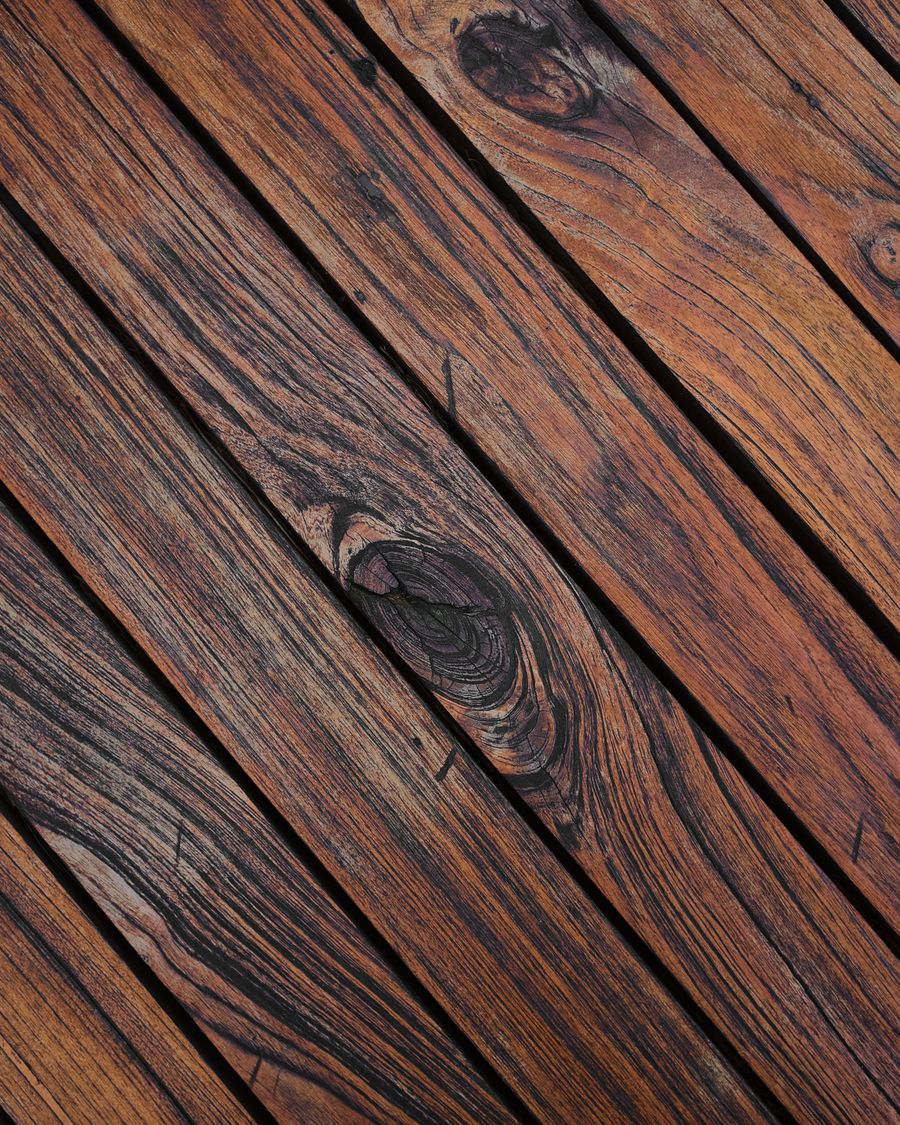
Where the railroad tie comes from, and the one to be most careful with · photograph via Pexels
Where to start
Landscape timbers, railroad ties and 6x6s: what the names mean
"Landscape timber" gets used for three different things. In the store it often means a cheap 8 ft length of pressure-treated pine, roughly 3 by 4 inches with two rounded sides, made for edging. Builders and most of our guides use it more loosely for any heavy square lumber laid in the yard, usually a ground-contact 4x6, 6x6 or 6x8. And then there is the railroad tie, the real thing pulled out of a track, bigger and heavier than either.
The split that matters is new versus used. New timbers come with a printed tag telling you the species, the preservative and whether it is rated for ground contact. Used railroad ties are cheap and full of character, but nearly all of them were soaked in creosote, which is not something you want next to a vegetable bed, a sandbox or a bench.
One stack of timbers can become a raised bed, a mowing edge, a set of steps, a bench or a short wall, which is why they turn up in so many backyards. This page is about what to buy. Timber Projects covers what to build, and Installing Landscape Timbers covers how to put it together.
The numbers
US lumber sizes, and what each one is good for
American lumber is sold by nominal size, and the real piece is smaller: a "6x6" is about 5½ by 5½ inches. Most timbers come in 8 ft lengths, with 10, 12 and 16 ft available at lumberyards.
Common sizes at US home improvement stores and lumberyards. Weights are rough for freshly treated southern pine, which is heavy with moisture; dry wood and cedar weigh less. Measure before you cut anything to fit.
Nominal size (actual)
Typical length
Rough weight each
Best for
Landscape timber, rounded sides (about 3 × 4 in)
8 ft
15-25 lb
Path and bed edging, mulch borders. Too light to hold back soil
4x4 (3½ × 3½ in)
8 ft
25-35 lb
Low edging, corner posts and stakes for raised beds
4x6 (3½ × 5½ in)
8 ft
40-50 lb
The everyday raised-bed timber laid flat or on edge. One person can manage it
6x6 (5½ × 5½ in)
8 ft
60-80 lb
Sturdy beds, steps, low retaining walls. The classic landscape timber; two people to carry far
6x8 (5½ × 7¼ in)
8 ft
80-100 lb
Deeper beds in fewer courses, seating, anything holding back soil
Used railroad tie (about 7 × 9 in)
8½ ft
150-250 lb
Rustic walls and terracing only, away from food and people; see the creosote section below
Weight is the thing everybody underestimates. A freshly treated 6x6 can weigh about as much as an 80 lb bag of concrete mix, and a used railroad tie can top 200 lb and be greasy with tar. Before you order, work out how the pile gets from the curb or the truck bed to the back of the yard: a hand truck or timber dolly, a wheelbarrow with a plank ramp, and a second person are the usual answer.
In detail
Six kinds of timber you will actually be offered
What each is, where it fits, and what it is like to live with.
Pressure-treated pine
Lowest cost
Usually southern yellow pine (or hem-fir and Douglas fir in the West) forced full of a
copper-based preservative. It is what most American landscape timbers are, and the sensible default
for most jobs. The green tint is the copper; some brands add a brown dye, which is only color, not
extra protection.
Looks likeGreenish or brown when new, weathering to silver-gray in two or three years
Best forRaised beds, edging, steps, low walls, almost any backyard job
LifeRoughly 10-20 years in the ground, longer above it
Food cropsCopper-based treatments replaced CCA in residential lumber at the end of 2003 and are widely used for vegetable beds; line the inside if you prefer
Watch out forThe end tag: you want Ground Contact (UC4A or UC4B), not the cheaper Above Ground grade sold for deck boards
Cedar and redwood
Higher cost
Western red cedar and redwood heartwood resist rot naturally, with nothing added,
which makes them the favorite for vegetable beds and anything on show. They cost several times
more than treated pine, are softer, and last less long when buried in wet soil. Black locust and
white oak are tougher, less common alternatives if you can find them locally.
Looks likeWarm reddish brown when new, fading to soft silver-gray in a few seasons
Best forVegetable and herb beds, seating, front yards, anywhere people look closely
LifeRoughly 10-15 years in soil for heartwood, less for pale sapwood; longer off the ground
Food cropsIdeal, since nothing has been added
Watch out forSapwood (the pale outer wood) rots fast, so ask for heartwood; big cedar timbers are pricey and can be special order
Used railroad ties
Low cost
Ties pulled from track and sold as "landscape grade." Huge, strong and often the
cheapest wood per foot. But nearly all were pressure-treated with creosote, an industrial
preservative the EPA does not allow for home landscaping uses. Read the safety section below
before you buy.
Looks likeDark, oily and scarred, with spike holes and plate marks
Best forRustic terracing well away from people, food and paving, if used at all
LifeVery long; that is what creosote was for
Food cropsNo. Not around vegetables, play areas or seating
Watch out forWeight, buried spikes, tar oozing on hot days, a strong smell and disposal later
Other reclaimed lumber
Low cost
Old barn beams, mill and warehouse timbers, dock lumber and salvaged structural
fir, from salvage yards and online listings. Easier to live with than ties because most of it was
never creosoted, but always ask what it was used for. Old dock and marine timbers may well have
been treated.
Looks likeAnything from silvery old oak to rough, nail-scarred pine
Best forCharacter beds, benches and borders where you want age without tar
LifeDepends entirely on the species and its history
Food cropsUntreated reclaimed hardwood is fine; anything of unknown treatment is not
Watch out forHidden nails and bolts that wreck saw blades, and old paint that may contain lead; scan and check every piece
Composite and recycled plastic
Higher cost
Wood fiber and plastic, or 100% recycled plastic, molded into timber shapes. They
do not rot, never need a preservative and leach nothing into the soil, which makes them a very good
raised-bed material. Expect to pay two to four times the price of treated pine.
Looks likeEven gray, brown or black with a molded grain; convincing from a distance
Best forVegetable beds, soggy ground, anywhere you never want to maintain
Life25 years or more, often with a long warranty
Food cropsExcellent, inert and stable
Watch out forThey flex and expand with heat more than wood; check the maker's span and retained-height limits before using them to hold back soil
Concrete timbers and block
Mid cost
Precast concrete pieces, some cast with a wood-grain face, and the segmental
retaining wall block that has largely replaced timber walls in American yards. Rot-proof,
termite-proof and strong; the usual answer when real soil has to be held back. Heavy and awkward
to cut.
Looks likeGray, tan or a molded wood texture that reads well once weathered
Best forRetaining walls, driveway edges, anywhere strength really matters
LifeEffectively permanent
Food cropsFine, inert once cured
Watch out forWeight, the need for a machine or a strong crew for big pieces, and silica dust when cutting: use a wet saw and a respirator
The big decision
New timbers or used railroad ties?
This is the choice most people are really weighing, and the honest answer depends far more on what the wood is for than on the price per foot.
✓Reasons to buy new
The tag tells you everything. Species, preservative and ground-contact rating are printed on it.
Every piece is the same size, which matters a lot when you are stacking courses.
No buried metal. Used ties hide spikes and plate fragments that ruin chain saws and blades.
Fine around vegetables: cedar and composite without question, and modern treated pine is widely used for beds.
Lighter and cleaner. No tar on your hands, gloves, dog or patio.
Straight and square, so joints close up and courses sit flat.
!Reasons people buy used ties
Cheap per foot, sometimes free from a farm or a neighbor clearing a yard.
A look you cannot fake. Spike holes and decades of weather.
Very durable: a creosoted tie resists rot and termites for a long time.
Reuse rather than cutting new lumber.
Massive sections, so fewer courses for the same height.
But only where creosote does not matter, which rules out most of the places people want them. See below.
A practical middle path. Use new treated pine, cedar or composite for everything near people, pets and food: raised beds, edging, benches, steps by the house. If you want ties at all, keep them for a rough bank at the far end of a rural lot. You get the durability where it is useful and none of the downside where it is not.
Read this before buying used ties
Creosote and used railroad ties: the safety picture
Creosote is a coal-tar wood preservative that has protected American railroad ties, utility poles and pilings for over a century. It works very well, and it is also a known hazard, which is why it is no longer sold to homeowners and why the EPA limits it to industrial uses.
Where the rules stand
Industrial use only, not backyard use
Creosote is a restricted-use pesticide in the US. It is registered for jobs like railroad ties and utility poles, not for home landscaping, and you cannot buy it to brush on yourself. Selling or reusing old ties is not banned everywhere, which is why they still turn up for sale, but that does not make them suitable for a garden.
EPA guidance is to avoid creosote-treated wood where it can contact food, drinking water or skin frequently
In practice that rules out vegetable beds, play areas, seating and anything inside the house
Some states have their own rules on treated wood waste and reuse, so check your state environmental agency
If a seller cannot tell you how a tie was treated, assume it is creosote
Why it matters in a backyard
It does not stay inside the wood
Ties that look harmless on a track behave badly next to a house, as anyone who has had a few by the patio will tell you.
They ooze on hot days. Tar bleeds out in summer heat and gets on hands, clothes, pets and pavers
The stains stay. Anything the tar touches, concrete, stone or a deck, is very hard to clean
They smell, strongly, every warm day for years
Skin contact can cause irritation and sun-sensitive burns, so gloves are a must
Never around food
This is the clearest rule
Whatever else you decide, creosote ties do not belong anywhere near something you plan to eat.
Do not build vegetable beds from creosote ties
Keep them away from fruit trees, berry patches and herb beds
A plastic liner is not the fix for a food bed; use different lumber
Choose cedar, redwood, composite or new treated pine for anything edible
Handling and disposal
Treat it as a hazardous material
If you inherited ties with the house, or you are pulling some out, handle them with care.
Wear gloves, long sleeves and eye protection to handle or cut them
Never burn creosote-treated wood in a fire pit, wood stove or brush pile; the smoke is toxic
Ask your local solid waste or landfill office how they want treated wood brought in; rules vary by state and county
Cutting makes toxic dust and fumes, so work outdoors, upwind, with a respirator
The short version. If you love the look of railroad ties, buy new 6x6 or 6x8 timbers and let them gray, or find reclaimed lumber that was never creosoted. You get the chunky proportions without the tar, smell, stains or disposal bill. Real creosote ties are best left to the railroad.
Deciding
Which timber for which job
A quick route to the right lumber for the most common backyard projects.
Suggested timber by project. Anything holding back more than about 2 ft of soil should be designed, not guessed.
Project
First choice
Why
Vegetable or herb raised bed
Cedar, redwood heartwood or composite
Nothing added to the wood. Modern ground-contact treated pine is also widely used and is the budget option
Flower bed or planter
Ground-contact treated pine
Cheapest, perfectly adequate, and it weathers to a pleasant gray
Path, lawn or mulch edging
Rounded landscape timbers or 4x4s
A 6x6 is more than the job needs; lighter pieces cost less and are easier to handle
Backyard steps
Ground-contact treated 6x6 or 6x8
Kids walk on these barefoot and in the rain; keep tar and splinters out of it
Built-in bench
Cedar or composite
Anything people sit on should be smooth, splinter-free and tar-free
Low retaining wall, up to about 2 ft
Ground-contact treated 6x6 or 6x8
Strong, straight and takes screws and rebar predictably
Holding back more than about 2 ft
Segmental concrete block, or a designed wall
This is structural. Retained soil is very heavy and failures are dangerous, so get advice; many jurisdictions require a permit over about 4 ft
Rough bank or rural terracing, away from people
Reclaimed lumber
The one place reclaimed makes real sense, ideally wood that was never creosoted
Money and numbers
What landscape timbers cost, and how many you need
The prices below are rough US ranges for planning only. Delivery counts, because timbers are heavy and usually come on a flatbed or a pallet.
Rough US prices per 8 ft piece. Planning figures only; they vary a lot by region, store, lumber market and season.
Type
Rough price each
Notes
Rounded landscape timber, 8 ft
$5-12
Edging only. Check whether it is rated for ground contact
Treated pine 4x6, ground contact
$15-30
A good everyday raised-bed timber
Treated pine 6x6, ground contact
$25-50
The benchmark for steps and low walls
Cedar 6x6
$60-150
Much more in the East than near Western mills; worth it for food beds and benches
Used railroad tie
$15-45
Cheap per foot, but read the creosote section first
Composite or recycled-plastic timber
$60-150
The long-term, no-upkeep option
Delivery
$50-150
Curbside or driveway drop is normal; expect to move them yourself from there
Fasteners per bed
$15-40
Structural timber screws, rebar or landscape spikes; do not skimp here
Work out how many you need
Enter your dimensions and the free PlantMapper landscape timbers calculator gives you the number of timbers, the courses and the total length, with an allowance for cuts.
A useful sense of scale: a simple 8 by 4 ft raised bed, one course high, takes
three 8 ft timbers, two full lengths for the sides and one cut in half for the ends.
Two courses doubles it to six. A 24 ft run of edging is three timbers.
Most backyard projects land somewhere between three and a dozen.
Buying mistakes
Six ways to buy the wrong timbers
1. Building a vegetable bed from railroad ties
The most common timber mistake, and the one with a real health side rather than just a looks problem.
The fixUse cedar, composite or new ground-contact treated pine for anything you will eat from.
2. Grabbing Above Ground lumber
The lumber next to the deck boards is often rated only for above-ground use, and a raised bed timber touches soil on three sides.
The fixRead the end tag and buy Ground Contact (UC4A or UC4B) for anything touching soil, then treat every cut end.
3. Not measuring the real size
Nominal sizes are not actual sizes, and timbers from different stores or batches can differ by a quarter inch or more, so courses do not line up.
The fixBuy the whole job from one store in one load, and measure a sample before you plan the cuts.
4. Forgetting how heavy they are
People order a dozen 6x6s, then find they cannot get them through the side gate and up the yard on their own.
The fixCheck the drop spot, the route and whether you have a helper and a dolly before you order.
5. Buying used without asking what is in it
Buried spikes destroy blades, and unknown treatment means unknown risk.
The fixAsk the seller where the wood came from and how it was treated. If they cannot say, assume the worst.
6. Buying exactly the number on your sketch
Cuts, a split end and a mid-project change of mind all use up timbers, and a second delivery costs more than the lumber.
The fixAdd 10 percent and round up to a whole timber.
Lumber questions
Types of landscape timbers: frequently asked questions
Are old railroad ties safe to use in a garden?
Most used railroad ties were treated with creosote, a restricted-use wood preservative the EPA allows for industrial jobs such as rail ties and utility poles, not for home landscaping. Its guidance is to keep creosote-treated wood away from food, drinking water and frequent skin contact. On top of that, creosote ties ooze tar on hot days, stain concrete and pavers and smell for years. Creosote ties are not recommended for food gardens, play areas or seating. For most backyard projects, new pressure-treated, cedar or composite timbers are the better buy.
Can I use pressure-treated timbers for a vegetable bed?
Many gardeners do. Residential pressure-treated lumber has used copper-based preservatives such as ACQ, copper azole and micronized copper since CCA (the arsenic treatment) was phased out of residential lumber at the end of 2003, and it is widely used for raised beds. If you would rather add nothing at all, cedar, redwood heartwood and composite are the choices with no added chemistry. A middle path is to line the inside faces with heavy plastic and leave the bottom open. Never use creosote railroad ties around food.
What size landscape timber should I buy?
For most raised beds, edging and single steps a 4x6 or 6x6 in 8 ft lengths is the workhorse; remember nominal sizes are bigger than the real thing, so a 6x6 measures about 5 1/2 by 5 1/2 inches. Go to 6x8 for deeper beds, seating or low walls. The cheap 8 ft landscape timbers with two rounded sides are fine for path edging but too light for anything holding back soil. A 6x6 weighs around 60 to 80 lb when fresh from treatment, so plan on two people.
How long do landscape timbers last?
Ground-contact pressure-treated pine typically gives 10 to 20 years in the soil, cedar and redwood heartwood somewhat less in wet ground, composite 25 years or more, and concrete indefinitely. Wet soil, poor drainage and, in the South, termites shorten any wood. Keeping water moving away from the timber matters more than which lumber you chose.
Are new timbers better than used railroad ties?
For most backyard projects, yes. New timbers come in known sizes and species with a stated treatment and no buried spikes, and they are fine around vegetables and seating. Used ties are cheap, massive and have a look new lumber cannot match, but they weigh 150 lb or more, vary in size, hide metal and are almost always creosoted. They make most sense for a rough bank well away from people, food and paving.
What does ground contact mean on pressure-treated lumber?
It is the retention level of preservative in the wood. Lumber tagged Above Ground is meant for deck boards and railings that can dry out; lumber tagged Ground Contact (AWPA use category UC4A, or UC4B for heavy duty) has more preservative and is meant for wood buried in or touching soil. Every landscape timber that touches the ground should carry a Ground Contact tag. Check the end tag or stamp before you buy.
Can composite timbers be used for retaining walls?
Only for very low decorative jobs, and only within the maker's stated limits. Composite and recycled-plastic timbers flex more than wood, so each manufacturer sets its own span and retained-height limits. Check the product sheet first. Composite shines as raised-bed and edging material, where it outlasts wood several times over and never needs a preservative.
Do pressure-treated timbers need treating after cutting?
Yes, every cut. The preservative only reaches part of the way into a large timber, so a fresh cut exposes untreated wood right where water collects. Brush an end-cut preservative (copper naphthenate is the common one at home improvement stores) onto every cut end before the timber goes into place. It takes seconds and it is often the difference between a bed that lasts 15 years and one that rots at the corners in six.