
The things every keeper needs to get right
Each guide stands on its own, so start wherever your question is. If you are brand new to chickens, check your local rules first, then work through breed, housing, feeding and health - that covers almost everything a first year throws at you.
Chicken Keeping Basics
Everything a first-time keeper needs, in the order you need it - space, daily routine, cost, and the city, county and HOA rules on hens and roosters.
Read the guideChoosing the Right Breed
Twenty hens and hybrids compared on eggs, temperament, and cold and heat tolerance, so you pick birds that suit your zone and your backyard.
Read the guideBuilding the Perfect Coop
Sizing, siting, ventilation, perches and nest boxes - what makes a coop healthy rather than merely pretty.
Read the guideFeeding & Nutrition
Starter, grower, layer and all-flock feeds, grit and oyster shell, treats in proportion, clean water and the foods never to offer.
Read the guideChicken Health
What normal looks like, the monthly hands-on check, and a calm head-to-toe examination you can do in two minutes per bird.
Read the guideWinter Care
Dampness is the enemy, not cold. Ventilation, frozen waterers, frostbite, safe heat (and why not heat lamps), and laying through short days.
Read the guidePredator Protection
Raccoons, foxes, coyotes, hawks, owls and snakes - hardware cloth, buried aprons, two-step latches and automatic doors. Keep them out rather than chasing them off.
Read the guideCleaning & Hygiene
The two-minute daily round, the ten-minute weekly one and a full deep clean, plus which disinfectants are genuinely safe around poultry.
Read the guideThe Chickens collection
In the order most keepers need them. Each one is a full guide rather than a blog post - comparison tables, checklists, photographs and the questions people actually ask - and more are added every month.
The full Chickens collection by numbers
Counted across the complete collection. The guides are being adapted for American keepers - zones, local rules, US predators and feeds - and go live here one by one.
11
guides in the full collection
Every part of keeping a backyard flock, start to finish.
232
questions answered
Real keeper questions, answered plainly on the page.
126k
words of guidance
Written to be read, not skimmed past for an advert.
211
original photographs
Royalty-free imagery on every guide, none of it stock clip-art.
- Beginner friendly
- Regularly updated
- Free to read, no sign-up
- Written for US climates & rules
Why keep chickens?
People come for the eggs and stay for everything else. Five reasons a small flock earns its place in an ordinary backyard.
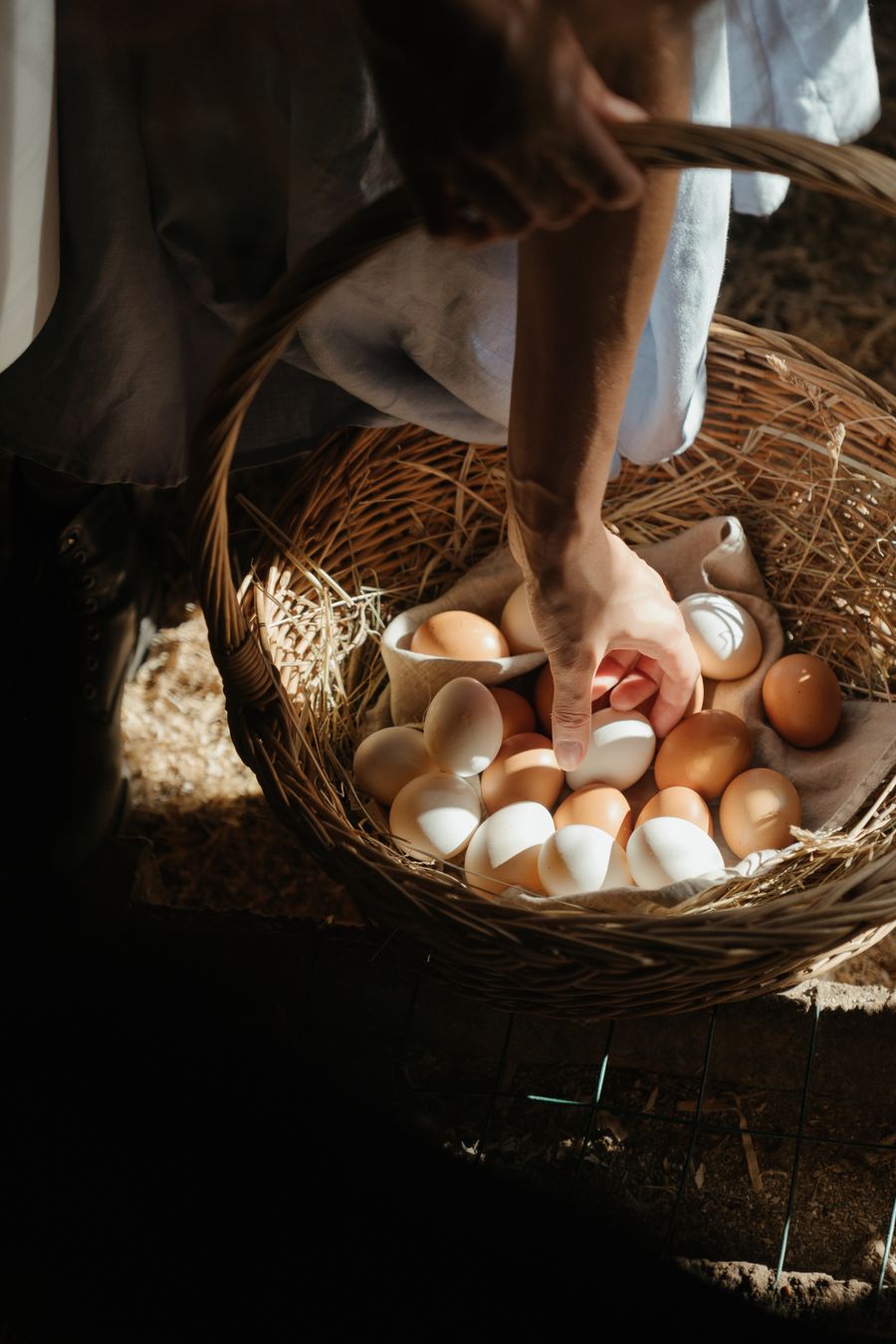
Fresh eggs, every day
A good laying hen gives around 250-300 eggs a year. Three or four birds keep most households in eggs, and the difference between one laid this morning and a carton from the grocery store is something nobody quite believes until they try it. Best Egg Laying Breeds compares the reliable layers.
Natural pest control
Hens are tireless foragers. Let them into a vegetable bed after harvest and they will work through slugs, grubs, cutworms, grasshoppers and Japanese beetles, scratching the surface over as they go - and they eat ticks they find, too. Chicken Runs covers ranging them safely.
A genuinely rewarding family hobby
Hens have real personalities, they come running when called, and the daily routine is about ten minutes. It is one of the few kinds of livestock that fits comfortably around a job and a suburban backyard.
Quietly educational for children
Where food comes from, how animals depend on us, why a routine matters, what illness looks like and how to be gentle with something smaller than you. Children learn all of it without being taught any of it.
Getting started, step by step
Five decisions, in the order they actually come up. Each step links to the guide that covers it in full.
-
Step 1
Check the rules, then choose your hens
First check your city or county ordinance and any HOA rules - hen limits, rooster bans, permits. Then pick birds for what you want and for your climate: hybrids lay best, heritage breeds live longer and have more character.
Compare the breeds → -
Step 2
Build or buy your coop
Get the size, ventilation, roost space and nest boxes right before the birds arrive, and build it to keep raccoons out. A dry, well-ventilated coop prevents most of what goes wrong later.
Coops & siting → -
Step 3
Feed them correctly
A complete layer feed does almost all the work. Add insoluble grit and free-choice oyster shell, keep treats under a tenth of the diet, and keep the water clean - and unfrozen.
Feeding & nutrition → -
Step 4
Keep them healthy
Look at the flock every day, handle every bird once a month, and know the true emergencies - including when to call your state veterinarian. Catching things early is the whole skill.
Health checks → -
Step 5
Enjoy the eggs
Once the routine settles, it is about ten minutes a day - and a full egg basket, a livelier backyard and a compost pile that finally works.
Keep the routine simple →
Chicken keeping: common questions
The questions almost everyone asks before their first hens arrive - including the local-rules one. Tap a question to open it; each answer points to the guide that goes into detail.
Are backyard chickens allowed where I live?
Probably, but it depends on your city or county - there is no national rule. Many towns allow a small number of hens (often somewhere around three to six), require a permit, or set minimum distances between the coop and neighboring houses. Roosters are banned in many cities and suburbs, and some HOA covenants forbid poultry altogether. Check your local ordinance and HOA documents first; Chicken Keeping Basics explains what to ask.
How many chickens should I start with?
Three or four, within your local limit. Chickens are flock birds and a lone hen is a stressed one, so three is the sensible minimum - the flock still works if you lose a bird. Three or four good layers keep most households in eggs without a glut. Start there, and read Chicken Keeping Basics before you buy anything.
How much space do chickens need?
A common working minimum is about 4 sq ft of coop floor per standard hen, 8-10 inches of roost each, and at least 10 sq ft of run per bird. More is always better: crowding causes a surprising share of the health and behavior problems keepers run into. Chicken Coops and Chicken Runs go through it properly.
How much work is it, honestly?
About ten minutes a day: let them out, check feed and water, collect eggs, look over every bird, shut them in at dusk. Add ten minutes a week for a quick clean-out and a mite check, and half a day a couple of times a year for a full clean. Cleaning sets out the whole routine.
Do I need a rooster to get eggs?
No. Hens lay perfectly well without one - a rooster only makes the eggs fertile. Many cities ban roosters because of the crowing, so unless you want to hatch chicks (and your rules allow it), a hen-only flock is simpler and quieter.
What do chickens eat?
A complete commercial layer feed should be the bulk of the diet, available all day, with clean water always within reach. Add insoluble grit and free-choice oyster shell, and keep treats and scraps under about a tenth of what they eat. Rules on feeding kitchen scraps vary by state. Feeding Chickens covers every life stage and the foods never to offer.
How do I keep chickens safe from raccoons and other predators?
Keep predators out rather than hoping they stay away. Lock hens in a secure coop every night, use ½-inch hardware cloth instead of chicken wire (raccoons reach straight through it), add a buried or apron edge against digging foxes, coyotes and dogs, cover the run against hawks and owls, and use two-step latches a raccoon can’t work. Hawks and owls are federally protected, so exclusion is the only option. Predator Protection covers it in detail.
Can chickens handle cold winters and hot summers?
Yes, with the right breed and housing (find your growing zone if you’re unsure). In zones 3-5, choose cold-hardy breeds with small combs and keep the coop dry and well ventilated; use a heated waterer rather than a heat lamp, which is a fire risk. In the South and Southwest, heat is the bigger danger: pick lighter breeds and give deep shade, airflow and cool water. Winter Care and Best Egg Laying Breeds explain more.
What are the first signs a chicken is unwell?
Changes rather than symptoms: a bird standing apart, fluffed up with her tail down, half-closed eyes, no interest in food, a pale or dull comb. Chickens hide illness, so by the time you notice she has usually felt off for a day or two. If several birds sicken or die suddenly, call your state veterinarian or USDA APHIS - avian influenza must be reported. Common Problems has a symptom checker.
Can chickens live in a small backyard?
Yes, provided the run is dry, well drained and interesting, and you are honest about stocking density. Choose calm breeds that tolerate confinement, give them height and things to do, and keep on top of the litter. Bedding and Chicken Runs make a small setup work.
Start at the beginning, or jump to whatever you need today
If you have not kept hens before, Chicken Keeping Basics is the place to start - it covers space, cost, routine and your local hen and rooster rules before you commit to anything. If the birds are already in the backyard and something is wrong, go straight to Common Problems and use the symptom checker. And if you are still deciding, Best Egg Laying Breeds is the most enjoyable place to browse.
General guidance only, and not veterinary or legal advice. Check the rules on keeping poultry where you live before you buy birds - they vary by state, county, city and HOA.
