

Why grow currants?
For much of the 20th century, growing currants was restricted by federal and state rules because they help spread white pine blister rust, a disease that devastated valuable white pine forests. The federal ban ended in 1966 and most gardeners can now grow them freely, though a few states and localities still regulate them. In USDA zones 3-7 they are some of the easiest, most cold-proof fruits there are.
Productive for years
A healthy bush yields several quarts of fruit a season and keeps cropping for 15 years or more, all from a footprint smaller than a dining table.
Three colors, three flavors
Black currants are bold and musky, ideal for juice, syrup and jam. Red currants are bright and tart. White currants are the sweetest, good straight off the bush.
Cold hardy and shade tolerant
Currants laugh at zone 3 winters and crop in part shade, so they fill a spot on the north or east side of the house where most fruit would sulk.
Packed with vitamin C
Black currants are among the richest garden fruits in vitamin C and antioxidants, which is why they are so popular for juice in Europe.

Currants in the Fruit Trees & Bushes collection
Currants
Black, red and white currants: hardy, shade-tolerant bushes for juice, jelly, baking and snacking.
You are hereGooseberries
A close relative of currants, with tart cooking fruit and sweet dessert berries.
Blueberries
Compact shrubs for acidic soil or containers of acid potting mix.
Raspberry Canes
Summer-bearing and everbearing canes for bowls of berries.
Grow Your Own
Vegetables, herbs and salad greens to grow beside your fruit.
Black, red & white currants
All three are Ribes, but black currants (Ribes nigrum) and red and white currants (mainly Ribes rubrum) bear fruit on wood of different ages. That one difference shapes how you plant, feed and prune them.
Black currants
Strong-flavored berries for juice, syrup, jam and baking. They fruit best on one-year-old shoots, so the bush is kept young by regular renewal from the base.
Red currants
Glossy, translucent berries hanging in long clusters, tart and perfect for jelly. They fruit on short spurs on two- and three-year-old wood.
White and pink currants
Color forms of the red currant with sweeter, gentler flavor. Grow and prune them just like red currants.
Blister rust susceptibility
Black currants are the most susceptible to white pine blister rust, which is why rules, where they exist, usually target them. Red and white currants are much less susceptible.

Same family, slightly different care. Black currants want young wood, so you prune them harder. Red and white currants hold their fruit on older spurs, so you keep stems a year longer. The pruning section below walks through both.
Best currant varieties for US gardens
American nurseries offer a good range. For black currants especially, choose a variety bred for resistance or immunity to white pine blister rust; it is better for nearby pines and, in some areas, the only kind allowed.
Black currant 'Consort'
A Canadian-bred variety with strong resistance to white pine blister rust. Very hardy, self-fruitful and productive, with classic musky flavor for juice and jam.
Black currants 'Titania' and 'Crusader'
'Titania' is a vigorous, large-fruited, rust-resistant variety from Sweden. 'Crusader' is another rust-resistant choice that crops best alongside a second black currant.
Black currant 'Ben Sarek'
A compact Scottish variety, ideal for small yards and containers, with large berries and heavy crops. Check rust resistance and local rules before buying.
Red currants 'Red Lake' and 'Rovada'
'Red Lake' is a hardy, long-grown American favorite with large clusters. 'Rovada' ripens late with very long clusters that are easy to pick.
Red currant 'Jonkheer van Tets'
An early Dutch variety with bright, well-flavored fruit. It blooms early, so give it a spot out of frost pockets.
White currants 'White Imperial' and 'Blanka'
'White Imperial' is an old variety known for sweet, low-acid berries; 'Blanka' is a heavy-cropping modern type with long clusters.

Buy from a nursery that ships legally. Reputable US nurseries know where Ribes are restricted and won't ship to those areas, and they sell clean, healthy stock. Avoid swapping cuttings with neighbors if you are near white pines or in a regulated area.
Planting currants
Currants are usually sold bare-root for early spring or in 1- to 2-gallon pots. They leaf out very early, so get them in the ground as soon as the soil can be worked.
When to plant
In spring, as early as you can dig: March in zones 6-7, April to early May in zones 3-5. In zones 6-7 fall planting about six weeks before the ground freezes also works well.
Plant black currants deep
Set black currants about 2 in deeper than they grew in the nursery. Buried buds send up new shoots from below ground, which keeps the bush young and productive.
Red and white at nursery depth
Plant red and white currants at about the same depth they grew, or an inch deeper. They hold fruit on older wood, so there is less need for constant new shoots.
Space, water and mulch
Allow 4-5 ft between bushes. Water well after planting and spread 2-3 in of wood chips, straw or compost to keep the shallow roots cool and moist.
Check the rules before you dig. Some states and local areas still restrict currants, especially black currants, or allow only rust-resistant varieties, usually because of nearby white pine. A quick check with your state department of agriculture or county extension office avoids having to pull out a bush later.
Site & soil requirements
Currants prefer cool roots, steady moisture and a little relief from hot afternoon sun. A rich, well-drained soil with a pH of about 6.0-6.5 suits them best.
Sun up north, shade down south
Full sun works in zones 3-5. From zone 6 southward, choose a site with morning sun and afternoon shade to stop leaves scorching and dropping in midsummer.
Rich, moist, well-drained soil
Currants are shallow-rooted and thirsty. Work in plenty of compost or aged manure and avoid spots where water stands after rain.
Shelter the early blossom
Currants bloom early, often before the last frost. A spot out of the wind helps native bees and honey bees pollinate and protects the flowers.
Keep away from white pines
Avoid low frost pockets, and if eastern or western white pines grow nearby, keep currants well away from them and follow any local setback guidance.

Growing currants across the US
Currants grow best in USDA zones 3-7 where summers are not too hot. Find your growing zone, then check the notes for your region.
Northeast & Midwest
Ideal climate for currants, and the heart of white pine country, so this is where local Ribes rules are most likely. Choose rust-resistant black currants and watch for imported currant worms each spring.
Southeast & Gulf Coast
Mostly too hot and humid. In the mountains and upper South (zone 6-7), red currants can crop in afternoon shade; elsewhere they tend to drop their leaves and fade.
Southwest & California
Hot, dry lowlands and mild-winter coasts lack the cold currants need. Higher elevations and cooler Northern California sites can work with shade, mulch and drip irrigation.
Pacific Northwest
Mild summers suit all three types. Wet springs encourage leaf spot and mildew, so space bushes well, keep them open and clear fallen leaves.
Mountain West & Plains
Cold is no problem; dry wind and alkaline soil are. Plant in shelter, add compost, mulch deeply and water through dry spells. Native golden currant (Ribes aureum) also thrives here.
Watering & feeding
Currants have shallow roots, so steady moisture and mulch do more for the crop than anything else. Black currants are hungrier than red and white.
Water as fruit sizes up
Aim for about 1 in of water a week, more in heat waves. Drip lines or soaker hoses under the mulch keep roots moist and leaves dry.
Feed black currants well
In early spring give black currants a balanced fertilizer or a few inches of aged manure. They fruit on new growth, so they need the fuel to make it.
Feed red and white lightly
Red and white currants need less nitrogen. A light spring dose of compost or balanced fertilizer is plenty; too much makes leafy growth instead of fruit.
Mulch every spring
Renew 2-3 in of organic mulch each year to cool the roots, hold moisture and keep weeds and grass from competing.
Let a soil test guide you. Your county extension office can test your soil for a small fee and tell you exactly what to add, so you feed black currants generously and red currants lightly without guessing.
Pruning: black vs red & white currants
Prune all currants in late winter or very early spring while they are dormant: February to March in zones 6-7, March to April in zones 3-5. The difference is how old you let the stems get.
Black currants: renew hard
Each winter, cut out stems more than three years old at ground level, plus weak and low ones. Keep about ten to twelve stems, mostly one and two years old.
Young wood is the goal
Black currants fruit mainly on last year's shoots, so the aim is a steady supply of strong new growth from the base each season.
Red and white: keep a mix of ages
Keep stems up to three or four years old and remove anything older. A mature bush has about eight to ten stems: a few each of one, two and three years old.
Thin the center
On all currants, remove crossing, broken and inward-growing branches so light and air reach the middle, which reduces mildew and ripens fruit evenly.
Optional summer trim
On red and white cordons, shortening new side shoots to about five leaves in early summer improves airflow and fruit size. Black currants don't need it.
The rule of thumb
Black currants: nothing older than three years. Red and white: nothing older than four. Remove the oldest each winter and let new shoots replace them.
Count the years. Older stems are darker and rougher. Each winter take out the oldest few at ground level and keep the best new shoots to replace them. Done every year, it keeps both black and red currants cropping heavily.
Bush & cordon training
Most American gardeners grow currants as simple multi-stemmed bushes. Red and white currants can also be trained flat as cordons or fans, which suits small yards.
Black currants: multi-stem bush
Grow black currants as a bush with stems rising from below ground, constantly renewed. They don't suit cordons or fans.
Red and white: bush
A vase-shaped bush of eight to ten stems is the easiest form, and it is how most US growers manage them.
Cordons along a fence
Red and white currants trained as single or double upright stems on wires, about 12-16 in apart, fit several varieties in a narrow bed and are simple to net.
Fans on a shady wall
A red currant fan on a north- or east-facing wall or fence is productive and decorative, and the shade suits it in warmer zones.

Flat plants are easy to net. A row of red currant cordons along a fence can be covered with one strip of bird netting, which makes protecting the crop from robins much simpler than draping round bushes.
Container growing
Currants grow well in large containers on a patio or deck, and pots let you move them into afternoon shade in hot weather.
Choose a compact plant
A naturally compact black currant such as 'Ben Sarek', or a red or white currant cordon, suits a pot best. Use a container at least 18 in wide (15-20 gallons).
Use good potting mix
Fill with a quality potting mix blended with some compost, and make sure the pot drains freely.
Water and feed often
Containers dry out quickly, sometimes daily in summer. Feed lightly in spring and again as the fruit forms.
Protect roots in winter
Roots in pots are less hardy than in the ground. In zones 3-5, bury the pot, wrap it or move it into an unheated garage after leaf drop. Refresh the top 2 in of mix each spring.
Try a cordon in a pot. A single red currant stem tied to a trellis in a large container gives a worthwhile crop in very little space, and it is the easiest of all to net.
Pests, diseases & netting
Currants have few serious problems, but a handful of American pests and the birds are worth watching for.
Birds
American robins, catbirds and cedar waxwings strip ripe red and white currants in a day or two. Put bird netting over the bushes as the fruit starts to color.
Imported currant worm
Green, black-spotted sawfly larvae that eat the leaves from the inside of the bush out, often just after leaf-out. Hand-pick, or use insecticidal soap, neem or spinosad at the first sign.
Currant aphid
Puckered, red or yellow blistered leaves in spring. It looks alarming but rarely hurts the crop; a hard spray of water or insecticidal soap is usually enough.
Currant borer
Wilting, dying stems in late spring often hide a borer larva inside. Cut affected stems out at ground level during winter pruning and destroy them.
White pine blister rust, mildew and leaf spot
Rust shows as orange or yellow spots under the leaves and can spread to nearby white pines. Grow resistant varieties, keep bushes open and rake up fallen leaves to reduce all three diseases.
Spotted wing drosophila
This small fruit fly can lay eggs in ripe and ripening berries. Pick promptly and often, and remove overripe and fallen fruit.
Net before they color. The classic currant letdown is a row of red clusters cleaned out by robins the day before you planned to pick. Have the netting in place as soon as the berries begin to turn.
Harvest season & planning
Currants ripen in early to midsummer: late June to July in zones 5-7, and July into August in zones 3-4. Pick whole clusters rather than single berries.
Know when they're ripe
Red and white currants color fully and turn glossy; black currants are ready when deep black and slightly soft. Taste a few before picking the lot.
Pick whole clusters
Snip or pinch off the entire cluster by its stem. It is much faster and doesn't crush the berries. Strip them off later with a fork.
Timing for each use
For jelly, pick red currants just ripe, when pectin is highest. Black currants can hang a week or so longer to sweeten, as long as the birds are kept off.
Juice, jelly and freezing
Black currants make outstanding juice, syrup and jam; red currants make jewel-bright jelly and brighten pies and sauces. All freeze well on the stem.
Freeze on the stem. Spread whole clusters on a tray and freeze them. Once frozen, the berries roll off the stems in seconds, which saves a fiddly job at the kitchen table.
Currants - frequently asked questions
What American gardeners most often ask about growing currants.
Are currants illegal in the US?
No, not nationally. Currants and gooseberries (Ribes) can host white pine blister rust, and a federal ban on growing them was lifted in 1966. Some states and local areas still restrict them, most often black currants, sometimes allowing only rust-resistant varieties. Check with your state department of agriculture or county extension office before planting.
What is the difference between black currants and red currants?
Black currants have a strong, musky flavor best for juice, syrup and jam, and fruit mostly on one-year-old wood. Red currants are bright and tart, hang in long clusters, and fruit on spurs on two- and three-year-old wood. They are planted and pruned a little differently.
What zones do currants grow in?
Currants are very cold hardy, roughly USDA zones 3-7, with some red currants managing zone 8 in afternoon shade. They need winter chill and dislike long, hot, humid summers, so they struggle in the Deep South, Florida and the low desert.
How do I prune currants?
Prune in late winter while dormant. For black currants, cut out stems older than three years at ground level so young wood keeps coming. For red and white currants, keep stems up to four years old and remove anything older, aiming for eight to ten stems of mixed ages.
Should I plant black currants deeper than red currants?
Yes. Set black currants about 2 in deeper than they grew in the nursery so new shoots come up from below ground. Red and white currants can go in at the same depth or an inch or so deeper.
Do currants need netting?
Usually. American robins, catbirds and cedar waxwings strip ripe red and white currants quickly. Cover the bushes with bird netting as soon as the fruit starts to color.
Can I grow currants in pots?
Yes. A compact black currant such as 'Ben Sarek' or a red currant cordon does well in a 15- to 20-gallon container of good potting mix, with regular watering and some winter protection for the roots in cold zones.
Are white currants different from red currants?
White currants are a color form of red currant with sweeter, milder fruit. They are grown and pruned exactly the same way.
Beginner tips
Six habits that turn a few currant bushes into a summer of juice, jelly and pies.
Check your local Ribes rules
Confirm with your state agriculture department or extension office that currants, and black currants in particular, are allowed where you live.
Choose rust-resistant black currants
'Consort', 'Titania' and 'Crusader' resist white pine blister rust and are often the safest choice.
Prune by stem age
Black currants: nothing over three years. Red and white: nothing over four. Take out the oldest every winter.
Give afternoon shade in the south
From zone 6 southward, a spot out of the hot afternoon sun keeps leaves on the bush through summer.
Watch for currant worms
Look inside the bushes every week from leaf-out and deal with larvae before they strip the leaves.
Net early
Get the netting on as the fruit starts to color, before the robins notice.
Helpful garden calculators
Work out spacing, potting mix and mulch for your new currant bushes with our free calculators.
Useful for growing currants
Our picksAs an Amazon Associate, PlantMapper may earn from qualifying purchases. Prices and availability are set by Amazon.
The Fruit Trees & Bushes Starter Kit
This currant guide belongs to our Fruit Trees & Bushes collection. Everything you need to grow black, red and white currants is free on this page; the optional printable workbook is there if you would like to plan a whole berry patch on paper.
Download the Soft Fruit Growing Guide
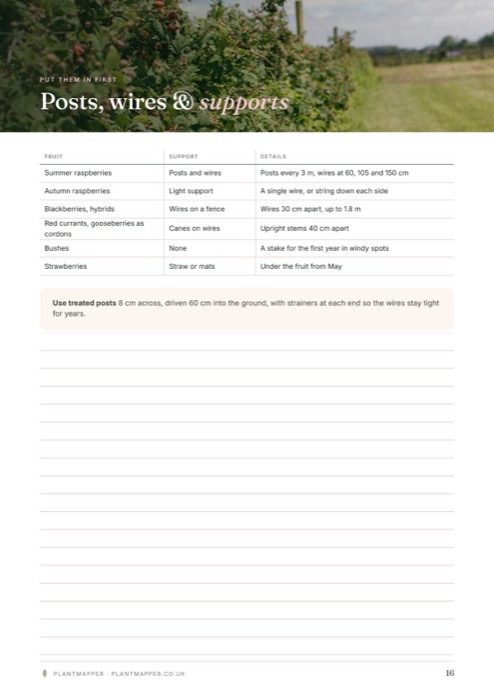
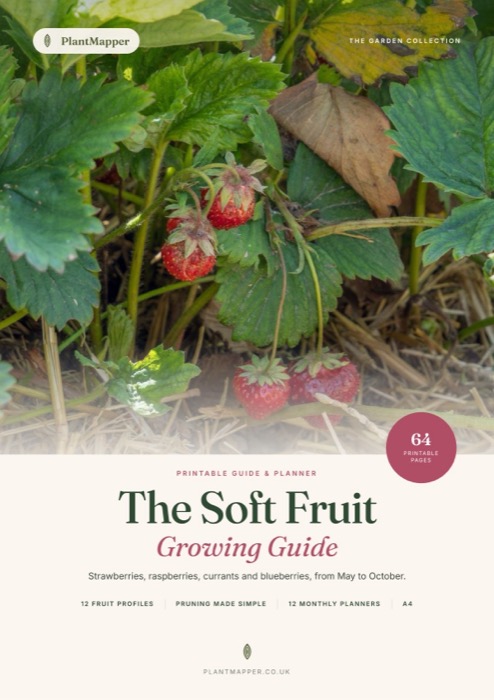
An instant digital download in US Letter and A4 sizes. Print it as often as you like to plan and grow berries at home. Inside: the Soft-Fruit Cycle, a strawberry runner-and-renewal system, netting and protection planners, harvest logs and seasonal trackers, all in the calm PlantMapper style.
Download the Guide on Etsy (UK edition)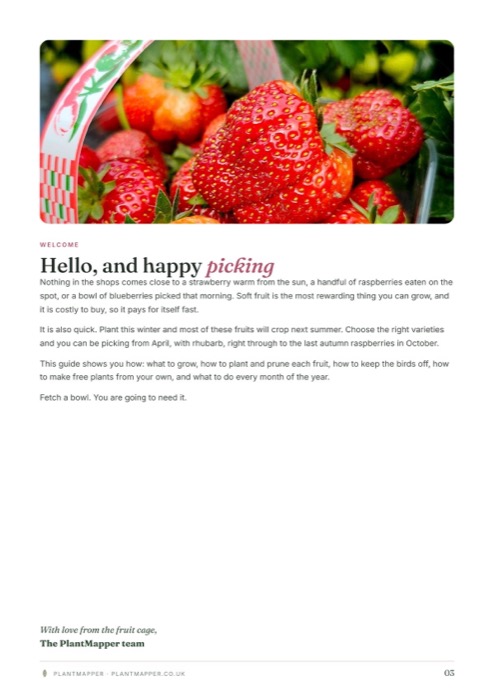
 64-page printable workbook · US Letter & A4
Disclosures & disclaimers
Affiliate disclosure
Some links on this page are affiliate links. If you buy through them, PlantMapper may earn a small commission at no extra cost to you. It never affects which products we suggest.
Gardening disclaimer
All advice is general guidance for home gardens in the United States. Results vary with your zone, soil and season, and rules on growing Ribes differ by state and locality. Check with your state department of agriculture or county extension office before you plant.
Food-safety note
Currants are wholesome fresh or cooked; black currants are usually made into juice, syrup or jam, while ripe red and white currants are good fresh. Rinse homegrown fruit and discard any berries that are damaged or moldy.