

Quick answers
- Which herbs are easiest to grow?
- Chives, mint, oregano, thyme, parsley and basil. Chives, mint and oregano come back for years in most of the country; basil is easy once nights stay above 50°F.
- Which herbs come back every year?
- It depends on your zone. Chives and mint survive zone 3 winters, thyme, sage and oregano zone 5, and most rosemary only zone 7 or 8 - colder than that, bring rosemary indoors for winter.
- When should I plant basil outside?
- One to two weeks after your last spring frost, once nights stay above 50°F - roughly early April in zone 8, mid-May in zone 6 and early June in zone 4. Cold nights stunt it.
- Why does my cilantro bolt?
- Cilantro is a cool-season herb that flowers as soon as days get long and hot. Sow it in early spring and again in late summer in the North, and in fall for a winter crop in zones 8-10.
Why grow herbs?
No other edible gives back so much from so little room. One pot of chives or oregano by the back door will supply a household for the whole growing season, and in much of the country it comes back next spring on its own. Herbs are cheap to start, quick to reward and forgiving of beginners, they look and smell good on a patio, and their flowers feed native bees and butterflies. If you have never grown food before, start here: a sunny step and three pots are enough to learn the basics of watering, harvesting and timing.
Flavor on demand
Cut exactly what a recipe needs and nothing wilts in the fridge drawer - freshly picked herbs taste noticeably brighter than store-bought ones.
Fits any yard - or none
Deck railings, apartment balconies, front steps, a corner of a raised bed or a sunny kitchen window: herbs need only a square foot or two each.
Cheap & rewarding
A seed packet or a few nursery transplants cost less than two grocery-store packs of cut herbs, and they keep producing for months.
Good for the garden too
Flowering thyme, oregano and chives feed native bees, and dill, fennel and parsley host black swallowtail caterpillars - plant a little extra to share.
Herbs in the Grow Your Own collection
Herbs
The easiest edible to start with - quick, fragrant and happy in a pot, a bed or a window box.
You are hereTomatoes
America’s favorite homegrown crop - and basil’s natural partner in the bed and on the plate.
Raised Beds
Fast-draining soil that warms early - ideal for herbs on heavy clay or rocky ground.
Beginner Vegetables
Easy, rewarding crops to grow alongside your herbs.
Companion Planting
How herbs help the rest of your plot grow better and healthier.
Easiest herbs for beginners
These six forgive the usual beginner mistakes and grow in every region of the lower 48 - as perennials where your winters allow, and as summer crops where they don’t. Check your zone with the zone finder to see which will come back.
Chives
Hardy in zones 3-9, so it survives a Minnesota winter and comes back each spring. Snip it to the ground and it regrows; the purple flowers are edible and loved by bumblebees.
Mint
Perennial in roughly zones 3-9 depending on the type, and so vigorous it spreads by underground runners. Always give it its own pot - then enjoy it in iced tea, mojitos and salads.
Parsley
A biennial that crops from spring until hard frost and often overwinters in zone 6 and warmer. Flat-leaf (Italian) has more flavor; curly is the classic garnish.
Thyme
A low, woody perennial for zones 5-9 that shrugs off drought and deer. It hates wet roots, so give it the sunniest, grittiest spot you have.
Rosemary
An evergreen shrub that lives for years in zones 8-10 (zone 7 with hardier types such as ‘Arp’). Farther north, grow it in a pot and bring it into a cool, bright room for winter.
Basil
A heat-loving annual that sulks below 50°F. Plant it out after your last frost, pinch the tips often, and choose downy-mildew-resistant varieties if the disease shows up in your area.
New to growing? Pick up a few herb transplants from a local nursery or the garden department of a home improvement store in spring, move them into larger pots of fresh potting mix, and set them in full sun. Starting with transplants skips the fiddly seedling stage - you can try seed next year.
Growing herbs in pots
Containers solve most American herb problems at once: they keep mint from escaping, let you haul rosemary indoors before a hard freeze, lift herbs out of heavy clay, and fit on a deck, a condo balcony or apartment steps. They are also the easiest way to keep rabbits off your parsley.

Drainage first
Every pot needs drainage holes and a bagged potting mix, never garden soil. For rosemary, thyme and sage, stir in about a quarter perlite or pumice.
Group by thirst
Pot thirsty herbs (basil, mint, parsley, cilantro) together and keep the dry-lovers (thyme, rosemary, sage, oregano) in separate containers so each gets the water it needs.
Sun - with a caveat
Six or more hours of sun suits most herbs. In the desert Southwest and Texas, though, basil, parsley and mint do better with shade from about 2 p.m. in midsummer.
Size up for summer heat
Small pots can dry out twice a day in July. Use containers at least 10-12 inches across; terracotta breathes but dries fastest, glazed or plastic holds water longer.
Fertilize lightly
Potting mix runs out of nutrients in a couple of months. A half-strength liquid fertilizer every few weeks keeps basil and parsley leafy - overfeeding dilutes the flavor.
Protect the deck
Set pots on feet or a plant caddy so water drains and doesn’t stain wood decking. On a balcony, check your HOA or building rules on container size and weight first.
Growing herbs in raised beds
A raised bed is the answer to the two soils that defeat herbs in much of the US: heavy clay in the Southeast and Midwest, and compacted or rocky ground on new-build lots. Six to eight inches of raised soil is enough for most herbs; give rosemary and sage about a foot.
Fast-draining mix
Fill with a raised-bed mix of topsoil and compost, and work extra coarse sand, pea gravel or expanded shale into the end where the woody herbs go.
Contain the spreaders
Sink mint in a bottomless pot (or one with holes) so the rim sits above soil level, and deadhead lemon balm and garlic chives before they self-seed through the whole bed.
Close to the kitchen
Put the bed where you’ll actually walk past it with scissors - near the back door or grill - in the sunniest spot available. A herb bed out of sight gets forgotten.
Mix annuals & perennials
Plant the long-lived herbs for your zone first (chives, thyme, oregano, sage), then fill gaps each year with basil, dill and cilantro sown at the right time for your region.
Mulch to suit the plant
Pea gravel around thyme, sage and rosemary keeps their crowns dry; shredded leaves or straw around basil and parsley hold moisture through hot spells.
Trim at the right time
Cut woody herbs back lightly after flowering, never hard in fall - in cold zones leave the old stems on over winter to protect the crown, and tidy in spring.
Growing herbs indoors
No yard? A bright window will keep you in chives, parsley, mint and oregano year-round, and in basil for much of it. Indoor herbs are also how northern gardeners carry rosemary and bay through a zone 5 winter. The catch is light: from November to February, a cheap LED grow light makes a bigger difference than anything else you can do.
The brightest window
A south- or west-facing window is best. If plants stretch and turn pale, add a full-spectrum LED grow light about 6-12 inches above them for 12-14 hours a day.
Pots with saucers
Use pots with drainage holes on saucers and empty any water left standing. Indoors, overwatering is the most common mistake - let the top inch dry between waterings.
Mind the heating
Forced-air heat dries plants out and invites spider mites. Keep pots away from vents and radiators, turn them every few days, and give overwintering rosemary the coolest bright spot in the house.
Harvest little & often
Pick a few leaves at a time rather than stripping the plant. Regular light picking keeps windowsill herbs compact, bushy and cropping for far longer.
Best indoor herbs
Chives, parsley, mint, oregano and thyme are the most reliable indoors. Basil needs warmth and strong light, and cilantro is best sown in small batches every few weeks.
Rescue grocery-store pots
A living basil pot from the produce aisle is dozens of seedlings crammed together. Divide it into three or four pots of fresh potting mix and it will keep going for months.
Perennial vs annual herbs
In the US, “perennial” depends on where you live. Rosemary is a permanent shrub in Sacramento and a summer annual in Minneapolis; cilantro is a winter crop in Phoenix and a spring crop in Ohio. Knowing which group each herb falls into for your zone tells you where to plant it and how much to buy.
Perennials come back
Chives, mint, oregano, thyme and sage return for years across most of the country. Rosemary, bay and lemongrass only do so in the warmer zones listed below.
Annuals are sown each year
Basil, cilantro, dill and chervil live one season. Basil loves heat; cilantro, dill and chervil prefer cool weather and run to seed in summer heat, so sow small batches every few weeks.
Biennials, the in-between
Parsley grows leaves in year one and flowers in year two. In zones 6-9 it often survives winter and gives an early spring picking before it bolts - then replant.
Woody vs soft
Woody herbs (rosemary, thyme, sage, oregano) want lean, dry, fast-draining soil; leafy ones (basil, parsley, mint, cilantro) want richer soil and steady moisture.
Plan the permanent backbone
Give the perennials for your zone a settled, sunny spot you won’t dig, and keep a separate strip or set of pots for the annuals you replant each year.
Hardy or tender?
Basil blackens at the first frost (and suffers below 50°F), while chives survive below-zero winters. Harvest tender herbs heavily before your first fall frost or bring a pot indoors.
Which herbs come back in your zone?
Approximate hardiness for the herbs most people grow, by USDA zone. Not sure of yours? Use the growing zone finder - it takes a ZIP code. Frost dates are averages, so watch the forecast before planting basil out.
Zones 3-5
- Perennial: chives, mint, oregano (most in zone 5), thyme and sage from zone 5, tarragon, lovage
- Grow as annuals or bring in: rosemary, bay, lemongrass, lemon verbena
- Basil: start indoors in April; plant out late May-early June
- Cilantro & dill: sow as soon as the soil can be worked in spring, again in August
Mulch thyme and sage lightly after the ground freezes, and keep rosemary in a pot so it can come inside before nights drop below about 20°F.
Zones 6-7
- Perennial: chives, mint, oregano, thyme, sage, parsley (often overwinters)
- Borderline: rosemary - hardy types like ‘Arp’ can survive zone 7 against a sunny wall; in zone 6 bring it in
- Basil: plant out early to mid May
- Cilantro: sow in March-April and again late August-September
Winter wet kills more thyme and sage here than cold does - raised beds and gravel mulch make the difference.
Zones 8-9
- Perennial: rosemary, bay, oregano, thyme, chives, mint, and Mexican mint marigold as a tarragon substitute
- Short-lived: sage and parsley often fade in humid summer heat - replant in fall
- Basil: plant out in April and again in early summer for a fall crop
- Cilantro & dill: sow in fall and grow through winter; spring sowings bolt fast
In the humid Southeast, give woody herbs the best drainage you can and good air flow, or grow them in pots.
Zones 10-11
- Perennial: rosemary, lemongrass, Cuban oregano, bay, culantro
- Basil: grows most of the year - it struggles mainly in the wettest, hottest months
- Cool-season herbs: grow cilantro, dill, parsley and chives from fall through early spring
- Summer swaps: culantro, Vietnamese coriander and Thai basil cope with the heat
Treat summer the way northern gardeners treat winter: the resting season. Your main herb season runs October to April.
Growing herbs across the US
Zones tell you about winter cold; your region tells you about summer heat, humidity, rainfall and soil - which matter just as much for herbs.
Northeast & Midwest
- Chives, mint, oregano, thyme and sage are reliable perennials
- Rosemary and bay go in pots and come indoors in fall
- Japanese beetles chew basil in July - hand-pick them into soapy water early in the morning
- Aromatic herbs are rarely browsed by deer; basil and parsley are more at risk from rabbits and groundhogs
Southeast & Gulf Coast
- Raise beds or use pots - clay soil plus summer storms rots thyme and sage
- Grow cilantro, dill and parsley through fall and winter
- Basil downy mildew is common; choose resistant varieties and space plants for air flow
- Rosemary thrives if it drains; Mexican mint marigold stands in for tarragon
Southwest & California
- Rosemary, thyme, oregano and sage love the dry heat and alkaline soil
- Give basil, parsley and mint afternoon shade and drip irrigation
- In the low desert, cilantro is a fall-to-spring crop
- Don’t let fennel go to seed - wild fennel is invasive in California
Pacific Northwest
- Rosemary and bay overwinter west of the Cascades if drainage is sharp
- Raised beds and gravel mulch get thyme and sage through the rain
- Basil needs the hottest spot you have - a south wall or a cold frame
- Slugs love basil and parsley; trap them or use iron phosphate bait
Mountain West & Plains
- Short seasons: buy basil transplants rather than direct-sowing
- Thyme, oregano, chives and sage handle cold and dry air well
- Shelter pots from wind and keep frost cloth handy - late frosts are common
- At altitude, strong sun means pots dry out fast; water deeply
Mediterranean herbs
Rosemary, thyme, oregano, sage and lavender come from dry, rocky Mediterranean hillsides, which is why they flourish in California and the Southwest and struggle in a soggy clay bed in Georgia. Wherever you live, the job is to copy those hillsides: full sun, sharp drainage and less water than you think.

All the sun you have
The hotter and brighter the spot, the more aromatic oil these herbs make - and the stronger they taste. In shade they turn sparse and bland.
Sharp drainage
Lean, gritty soil is the secret. Mix pumice, perlite or pea gravel into pots and beds - wet, rich soil kills these herbs faster than cold or drought.
Water sparingly
Let them dry out between waterings. Once established in the ground, rosemary and thyme need water only in long dry spells - a good fit for gardens under watering restrictions.
Trim to keep them young
Clip lightly after flowering so they don’t turn woody and bare at the base, but never cut into old bare wood - it rarely resprouts.
Beat winter wet & summer humidity
In the Pacific Northwest and the Northeast, soggy winters do the damage; in the Southeast it’s humid summers. Raised planting, gravel mulch and space between plants help in both.
Pollinator favorites
Let some lavender, thyme, oregano and sage flower and they fill with bumblebees and native bees. Sage flowers draw hummingbirds too. Pick the rest young for the kitchen.
Companion planting with herbs
Much companion planting lore is folklore, but herbs do earn a place in the vegetable garden: their flowers feed the beneficial insects that eat aphids and caterpillars, and a few have genuinely useful partners. See our full companion planting guide for more.
Basil with tomatoes
The classic pairing: both want heat and the same watering, so they share a bed happily. Claims that basil improves tomato flavor or repels hornworms are unproven - but you’ll pick them together for every caprese.
Chives along the edges
Chives make a tidy, pest-shrugging edging for vegetable beds and rose borders, and their spring flowers are among the first food for bumblebees.
Mint in pots, never in the bed
Mint is sometimes planted to confuse cabbageworm moths and flea beetles. If you try it, keep it in a pot beside the brassicas - planted in the bed it will take over.
Dill, fennel & good bugs
Umbrella-shaped dill and fennel flowers draw lady beetles, lacewings, hover flies and parasitic wasps. Green-and-black-striped caterpillars on them are black swallowtails - leave them be.
A note on fennel
Fennel stunts some neighbors, so give it its own spot, and cut the seed heads before they ripen - in California, wild fennel (the same species) is a serious invasive.
Let some flower for bees
A few blooming oregano, thyme and chive plants keep native bees around for your squash, cucumbers and tomatoes - better pollination across the whole garden.
Harvesting herbs
Picking is the most underrated part of herb growing. Cut the right way and a single basil plant gives from June to frost; leave it alone and it flowers, toughens and stops.

Pick from the top
Snip basil, mint and oregano just above a pair of leaves. Each cut branches into two new shoots, so regular picking makes a bushier, more productive plant.
Morning is best
Harvest after the dew dries but before the afternoon heat, when leaves are crisp and aromatic oils are strongest - especially important in a hot Southern summer.
Never take too much
Take no more than about a third of the plant at once, and stop cutting woody herbs about six weeks before your first fall frost so new growth can harden off.
Pinch out flowers
When basil starts to flower, the leaves turn tougher and sharper. Pinch off flower spikes as they appear. Cilantro is different - once it bolts, let it set seed and harvest the coriander.
Drying and preserving herbs
Before your first fall frost, cut the basil and other tender herbs hard and preserve them. A few simple methods carry homegrown flavor into winter - and in the South, preserve your spring cilantro and dill before summer heat finishes them.
Air-drying
Bundle rosemary, thyme, sage and oregano and hang them upside down somewhere warm, dark and airy. In humid climates, use a dehydrator on its lowest setting or the oven at its lowest temperature instead - air-drying can mold.
Freezing
Basil, parsley, chives and cilantro freeze far better than they dry. Chop them into ice-cube trays topped with water or olive oil, or freeze pesto in cubes for winter pasta.
Store it well
Strip dried leaves and keep them whole in airtight jars, away from the stove and sunlight; crush them as you cook. Dried herbs keep good flavor for about a year.
Oils, butters & vinegars
Herb butters and vinegars keep well. Homemade herb oils are a botulism risk at room temperature - refrigerate them and use within a few days, or freeze.
Common herb-growing mistakes
Most herb failures come down to a short list: too much water, too little sun, or the wrong timing for your climate. Here are the ones American gardeners hit most, and the fix for each.
!Overwatering
Yellowing, wilting, soft growth and rotting roots. The top killer of herbs, especially in pots. Let the potting mix dry an inch down between waterings, make sure pots drain, and never leave them standing in a full saucer.
!Too little light
Leggy, pale, sparse plants reaching for the window. Herbs need sun to make flavor. Move them to the brightest spot you have - six hours of direct sun outdoors, or a grow light indoors in winter.
!Fighting the heat
Cilantro and dill bolt within weeks. They are cool-season herbs. Sow them in spring and late summer in the North, in fall and winter in the South, and choose slow-bolt varieties.
!Planting basil too early
Stunted, bronzed or blackened leaves. Basil hates cold nights. Wait until one to two weeks after your last frost, when nights stay above 50°F - it will soon overtake plants set out early.
!Never harvesting
Plants grow tall, woody and unproductive. Herbs need picking to stay bushy. Don’t be shy - regular cutting keeps them young, dense and productive for far longer.
!Letting mint loose
Mint takes over the whole bed. Its runners travel under paths and into the lawn. Always grow mint in a pot, and deadhead lemon balm and garlic chives before they seed everywhere.
!Rich soil for dry herbs
Soft, floppy growth and poor flavor on Mediterranean herbs. Rosemary, thyme and sage want lean, gritty, fast-draining soil. Heavy fertilizing and rich compost make them soft, short-lived and bland.
Example herb garden layouts
Four tried-and-tested setups for apartments, decks, backyards and dry climates - copy one or mix and match.
Apartment window
- Three or four 6-inch pots in a sunny window
- Chives, parsley, mint & oregano - the indoor stars
- Potting mix, saucers underneath, a grow light for winter
- Water when the surface dries, never sooner
- Pick little and often as you cook
The easiest start of all - fresh herbs within arm’s reach of the stove, with nothing more than a bright window and a little water.
Deck or balcony cluster
- Five or six 10-14-inch pots near the grill or back door
- Thirsty herbs together, dry-lovers apart
- Perlite or pumice added for rosemary, thyme and sage
- Pot feet or a caddy to protect the decking
- Half-strength fertilizer every few weeks in summer
A full herb garden with no digging - and rosemary can roll indoors on its caddy before the first hard freeze.
Raised herb bed
- A sunny raised bed, about 4 by 4 ft
- The perennials for your zone - chives, thyme, oregano, sage
- Mint sunk in a pot within the bed
- Basil after frost, cilantro in the cool season in the gaps
- Gravel around the woody herbs, straw around the leafy ones
A permanent backyard herb bed that gets better each year - perennials for structure, annuals rotated through with the seasons.
Dry-climate trough
- A large, deep trough or stock tank in full sun
- A gritty, fast-draining mix
- Rosemary, thyme, Greek oregano, sage & lavender
- Drip irrigation on a timer, used sparingly
- Trimmed lightly after flowering
The lowest-water herb garden there is - drought-tolerant herbs that suit watering restrictions and look good year-round in mild-winter areas.
Explore more with Plant Finder & the Grow Your Own guides
Herbs are a natural first step into growing food. Use the free Plant Finder to match plants to your sun, soil and zone, and these guides as they come online for the rest of the garden.
Helpful garden calculators
Work out how much potting mix, raised-bed soil and how many plants you need before you head to the store - in cubic feet and inches.
Useful for growing herbs
Our picksAs an Amazon Associate, PlantMapper may earn from qualifying purchases. Prices and availability are set by Amazon.
The Grow Your Own Starter Kit
This guide is free, start to finish. If you like planning on paper, the Grow Your Own Starter Kit is an optional printable workbook for planning and tracking a season of herbs and vegetables. It is the original edition, so read its calendar pages against your own frost dates. Pair it with our free garden calculators and Plant Finder.
Herb chooser
Worksheets for choosing herbs to suit your space and your cooking - window or bed, perennial or annual, leafy or Mediterranean.
Sowing & harvest calendar
A month-by-month sowing and picking plan, set out for a mild maritime climate - shift it earlier or later using your own last and first frost dates.
Care & harvesting guide
Illustrated steps for watering, picking and trimming - the small jobs that keep herbs bushy, productive and full of flavor.
Problem-solver
A quick troubleshooting guide to the common mistakes - overwatering, poor light, bolting and the rest - so you can spot it and put it right.
Layout plans
Ready-made plans for windows, pot clusters, raised beds and dry troughs, with the herbs and spacing each one needs.
Grower’s journal
Pages to record what you grew, when you planted it and what to change - the notes that make each season better than the last.
Download the Grow Your Own Starter Kit
An instant digital download that prints on US Letter (or A4) paper at home, as often as you like. Inside: crop planning systems, bed and rotation planners, a sowing and harvest calendar (adjust it to your frost dates), a crop directory and seasonal trackers.
Download the Starter Kit on Etsy (UK edition)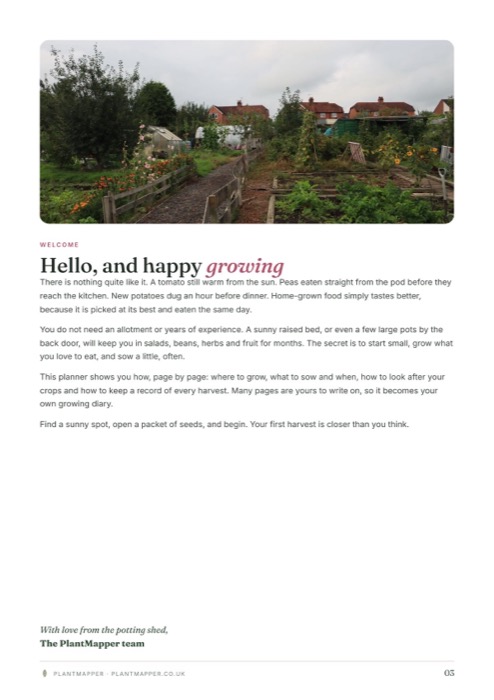
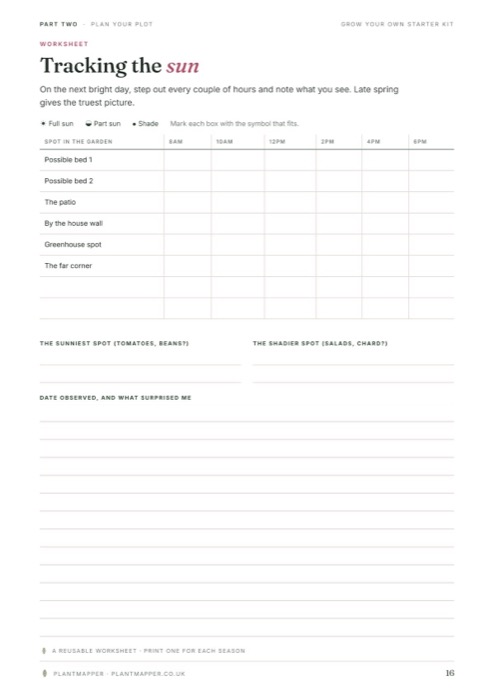
 66-page printable workbook · A4 & US Letter
Growing herbs: your questions answered
What are the easiest herbs to grow for beginners?
Chives, mint, oregano, thyme, parsley and basil. Chives, mint and oregano come back every year in most of the US, thyme does from zone 5, and basil and parsley are quick, productive summer crops. Give them six hours of sun and a mix that drains, and keep mint in its own pot.
Which herbs are perennial, and in which zones?
Roughly: chives zones 3-9, mint 3-9 (depending on the type), oregano and thyme 5-9, sage 5-8 (short-lived in humid zone 9 heat), rosemary 8-10 (zone 7 for hardy types such as ‘Arp’), bay 8-10 and lemongrass 10-11. Colder than that, grow them as annuals or overwinter them indoors. Check your zone with the growing zone finder.
When should I plant basil outside?
One to two weeks after your average last spring frost, once nights stay above 50°F. That is approximately mid-March in zone 9, early April in zone 8, mid-May in zone 6 and early June in zone 4. Basil set out into cold soil stalls and can be damaged even without frost, so there is no gain in rushing.
Why does my cilantro bolt so quickly?
Cilantro is a cool-season herb that runs to flower when days lengthen and temperatures climb, often within a few weeks in summer. In the North, sow it in early spring and again in late summer; in zones 8-10, sow in fall and pick through winter. Choose slow-bolt varieties, sow small batches every two to three weeks, and let bolted plants set seed - that is coriander.
Can rosemary survive the winter outside?
Most rosemary is reliably hardy only in zones 8-10. Hardier varieties such as ‘Arp’ and ‘Madeline Hill’ can survive zone 7 in a sheltered, well-drained spot. In zone 6 and colder, grow it in a pot and bring it indoors to a cool, bright window before nights fall below about 20°F; water only when the top inch is dry.
Are herbs deer resistant?
Strongly scented herbs - rosemary, sage, thyme, oregano, lavender, mint and chives - are rarely eaten by deer, which makes them good choices for front yards in the Northeast and suburban Midwest. Basil, parsley, dill and cilantro are softer targets, and rabbits and groundhogs eat them readily, so grow those in raised beds, on a deck or behind a fence. No plant is completely deer-proof when deer are hungry.
Can you grow herbs on a balcony or deck?
Yes - most herbs do very well in containers. Use pots at least 10-12 inches across with drainage holes, bagged potting mix rather than garden soil, and pot feet or a saucer to protect the decking. On a high or windy balcony, group pots for shelter and expect to water daily in summer. Check HOA or building rules on container size, weight and drainage before you start.
How do you harvest herbs so they keep growing?
Cut a little and often from the top, snipping just above a pair of leaves so the plant branches. Take no more than about a third at once, pinch off basil flower spikes as they appear, and pick in the morning when leaves are crisp. Stop heavy cutting of woody herbs about six weeks before your first fall frost.
Disclosures & disclaimers
Affiliate disclosure
Some links on this page are affiliate links. If you buy through them, PlantMapper may earn a small commission at no extra cost to you. It never affects which products we suggest.
Gardening disclaimer
All advice is general guidance for gardens across the US. Frost dates and zones are averages; results vary with your local climate, soil and season - your county Cooperative Extension office can confirm planting times for your area.
Foraging & safety note
Only eat herbs you have grown and can identify with complete certainty. Some garden and wild plants are toxic, and a few herbs are best avoided in pregnancy - check before use if in doubt.