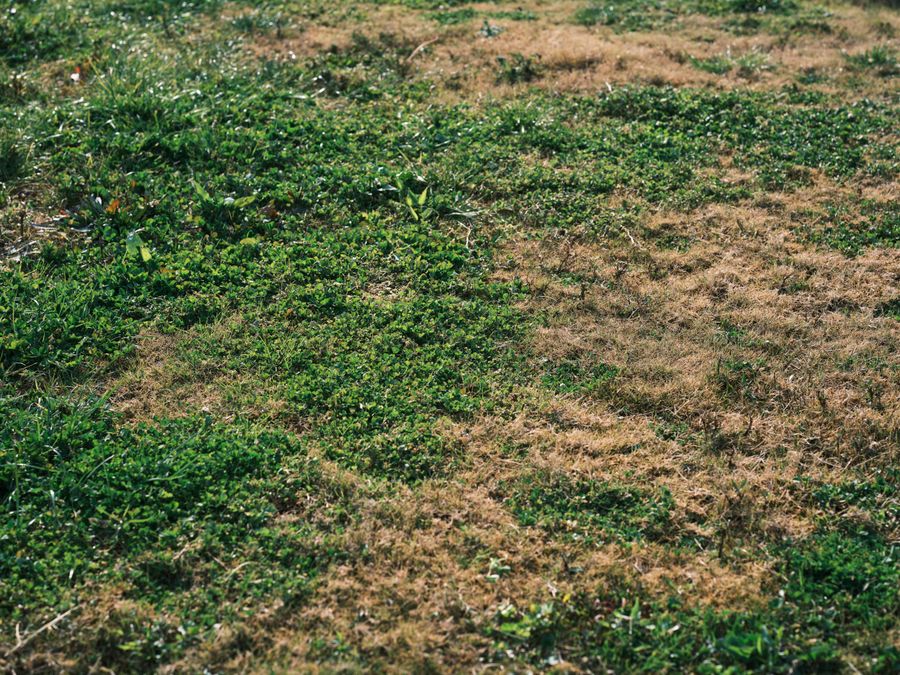
The right lawn-care move depends on one thing before anything else: whether you grow a cool-season grass like Kentucky bluegrass or tall fescue, or a warm-season grass like Bermuda, zoysia or St. Augustine. This guide times every job - seeding, fertilizing, mowing, dethatching, aerating and weed control - to your grass and your zone, and helps you work out what a thin, brown or weedy lawn actually needs.
Cool-season & warm-seasonTimed by zoneProblem solving
Where to start
Lawn care at a glance
Across most of the country, the lawn is the biggest planting in the yard - and the one that gets the most product thrown at it. Yet nearly every common complaint, from crabgrass and bare spots to thatch and summer browning, traces back to a short list of causes: the wrong grass for the region, mowing too low, compacted soil, too much shade, or work done in the wrong season for that grass.
Timing is where most American lawn advice goes wrong, because the country grows two very different families of grass. Cool-season grasses grow hardest in spring and fall and sulk in summer heat. Warm-season grasses wake up in late spring, peak in the heat, and go dormant and brown after the first frost. A job that helps one family at a given moment can set the other back. Read the grass-type section first if you are not sure which one you have.
If something is wrong, start with the diagnosis section and work back from the symptom. If you simply want to look after the lawn well, use the calendar and the seasonal sections for your grass type.
Mowing
Mow at the right height for your grass - 3-4 in for tall fescue, 1-2 in for Bermuda - and never take off more than a third at once
Watering
About 1 in a week, rain included, applied deeply once or twice - and always within your city or water district’s schedule
Fertilizing
Cool-season lawns are fed mainly in fall; warm-season lawns from full green-up through summer. Roughly 1 lb of nitrogen per 1,000 sq ft per feeding
Core aeration
Pulls plugs from compacted soil so air, water and roots can get down. Early fall for cool-season grass, early summer for warm-season
Dethatching
Only needed when the spongy layer at the base of the grass passes about ½ in - common in Bermuda, zoysia and Kentucky bluegrass
Overseeding
Thickens thin cool-season lawns, best in late summer to early fall. Most warm-season lawns fill in by spreading instead
Weeds
A crabgrass pre-emergent goes down when soil reaches about 55°F in spring. Beyond that, a thick lawn mowed high is the best weed control there is
Insects
White grubs in the North and chinch bugs in sunny Southern St. Augustine lawns cause most insect damage. Confirm them before you treat
You don’t need a seven-step program
Nothing here has to happen every year. For a typical yard, mowing high, fertilizing at the right time for your grass, core-aerating the worn areas and fixing thin spots in the right season will put you ahead of most of the neighborhood - with far less product.
Diagnosis
What does your lawn need?
Lawn symptoms overlap badly: drought, grubs, chinch bugs, a dull mower blade and fungal disease can all leave a yellow-brown patch. Before buying anything, look at the site - sun or shade, hard or soggy ground, the mowing height, the foot traffic - and cut a small wedge of sod out with a trowel to see the roots, the thatch and the soil. That one look settles more questions than any product label.
Thin, dry and lush patches side by side usually mean the site varies - check the soil before treating
Brown or straw-colored grass
Usually means: Cool-season grass going dormant in summer heat and drought, or warm-season grass going dormant after frost - both normal. Irregular patches that spread can also be grubs, chinch bugs or disease.
Start with: Note the season and your grass type, then try the tug test in Is my brown lawn dead?
Thin or bare areas
Usually means: Shade, foot traffic, compaction, a grass poorly suited to the region, or a lawn mowed too short. Bare soil is an open invitation to crabgrass.
Start with: Fix the cause, then overseed or plug in the right window for your grass type.
Spongy underfoot
Usually means: Thatch - a mat of stems, runners and roots between the green blades and the soil. Bermuda, zoysia and Kentucky bluegrass build it fastest.
Start with: Measure it. Under ½ in is fine; thicker than that, dethatch while your grass is growing strongly.
Crabgrass and summer weeds
Usually means: Thin turf, mowing too low, and no pre-emergent last spring. Crabgrass is an annual - this year’s plants die at frost but leave thousands of seeds.
Start with: Pull or spot-treat now, raise the mower, and plan a pre-emergent for next spring. See crabgrass, grubs and disease.
Hard, compacted ground
Usually means: Foot traffic, play, vehicles, or heavy clay left behind by builders when the house went up. Roots stay shallow and water runs off.
Start with: Push a screwdriver into moist soil. If it won’t go in 6 in without a real shove, core-aerate at the right time for your grass.
Standing water
Usually means: Compaction, heavy clay subsoil, a downspout emptying onto the lawn, or a low spot with nowhere to drain.
Start with: Redirect downspouts and core-aerate first. If water still has nowhere to go, see Garden Drainage.
Dry spots that stay dry
Usually means: A sprinkler head that is blocked or misaligned, sandy or shallow soil, or soil that has turned water-repellent. Patches beside driveways and sidewalks heat up first.
Start with: Run the sprinklers and watch the pattern. If coverage is fine, check for chinch bugs in hot sunny spots, then aerate and water slowly.
Yellowing grass
Usually means: Low nitrogen, a dull mower blade shredding the tips, soggy soil, or - in alkaline Western and Texas soils - iron chlorosis, which yellows the new blades between green veins.
Start with: Sharpen the blade, then get a soil test through your county extension office before choosing a fertilizer.
Sod that rolls back like carpet
Usually means: White grubs have eaten the roots. Skunks, raccoons and armadillos tearing up the lawn overnight are a strong hint.
Start with: Cut and lift a square foot of sod and count the C-shaped grubs. See grubs for when treatment is worth it.
Worn paths and dog spots
Usually means: The same route walked every day, or concentrated urine. Dog spots are dead centers ringed by darker, lusher grass.
Start with: Water urine spots promptly, and put stepping stones where people really walk. See difficult lawn conditions.
Thin grass in shade
Usually means: Too little light for the grass you have. Bermuda fails quickly in shade; fine fescues, St. Augustine and some zoysias cope best.
Start with: Mow higher, switch to a shade-tolerant grass, and be honest with yourself - under a dense canopy, shade planting beats a struggling lawn.
Bumpy, uneven surface
Usually means: Settled trenches from utility lines or irrigation, mole and vole activity, frost heave, or a yard that was never graded properly.
Start with: Fill shallow dips gradually by topdressing. Deep ruts need the sod lifted and the soil regraded.
Same patch, different culprit
A brown patch on a Kentucky bluegrass lawn in August and one on a St. Augustine lawn in August have very different likely causes - drought dormancy or grubs in the first case, chinch bugs or disease in the second. Write down the grass, the season, the sun and the soil before you treat. Treating the wrong problem usually costs a whole season.
Know your grass
Cool-season, warm-season and the transition zone
Every lawn job in this guide is timed to when your grass grows hardest. Cool-season grasses grow best with air temperatures around 60-75°F, so they surge in spring and fall. Warm-season grasses grow best around 80-95°F, so their season runs from late spring through summer. Feed, seed or dethatch a grass while it is growing strongly and it recovers fast; do the same job while it is stressed or dormant and you mostly feed the weeds.
The two grass families compared - timing shifts earlier the farther south you are. Find your growing zone.
Cool-season grasses
Warm-season grasses
Main grasses
Kentucky bluegrass, tall fescue, perennial ryegrass, fine fescues
Bermudagrass, zoysia, St. Augustine, centipede, bahia, buffalograss
Where
The North, Midwest, Northeast, Pacific Northwest, Mountain West and higher elevations - roughly zones 3-6, plus the transition zone
The Southeast, Gulf Coast, Florida, Texas, the desert Southwest and Southern California - roughly zones 8-11, plus the transition zone
Seeding window
Late summer to early fall (best), or early spring
Late spring to midsummer, once soil is above about 65°F; St. Augustine goes in as sod or plugs
Main fertilizer
Early fall and late fall, with a light feeding in late spring
After full green-up in late spring, then through summer; stop about 6-8 weeks before the first fall frost
Mowing height
Generally 2.5-4 in
Generally 1-2 in (Bermuda, zoysia) to 2.5-4 in (St. Augustine, bahia)
Dethatch and core-aerate
Early fall (first choice) or mid-spring
Late spring to early summer, once fully green and growing
Crabgrass pre-emergent
When soil reaches about 55°F - mid-March in the transition zone to late April or May up north
Late winter, when soil warms to about 55°F - February along the Gulf, March in the mid-South
Natural dormancy
Summer heat and drought: browns, then recovers when it cools and rains
Winter: tan and brown from the first hard frost until spring
The transition zone
A broad band through the middle of the country - roughly from Kansas and Oklahoma east through Missouri, Kentucky, Tennessee, Virginia and North Carolina to Maryland - is too hot in summer for cool-season grass to be easy and too cold in winter for most warm-season grass to be safe. Lawns there are a compromise. Tall fescue is the most common choice because its deep roots carry it through summer; zoysia and the more cold-tolerant Bermudas are the warm-season alternatives, accepting a brown lawn from first frost to mid-spring. Kentucky bluegrass does well only at higher elevations and in the cooler northern edge of the band.
If you inherited a lawn and don’t know what it is, look at it in midwinter and midsummer. Green in January and tired in August usually means cool-season. Tan in January and thriving in August means warm-season. Runners creeping over the sidewalk point to Bermuda, zoysia or St. Augustine.
Your zone is a starting point, not the whole answer
USDA zones measure winter cold, and lawns care about summer heat too. A zone 7 yard in the Pacific Northwest grows cool-season grass beautifully; a zone 7 yard in central North Carolina sits in the heart of the transition zone. Use your zone with your local summer temperatures - and your county extension service’s turf recommendations - to decide. Find your growing zone.
Month by month, by grass type
The lawn-care calendar
Each month below is split by grass family. The cool-season notes are written for the middle of the cool-season range - roughly zone 5 to 6 - so shift them two to four weeks later in zones 3-4 and a couple of weeks earlier in the transition zone. The warm-season notes fit the mid-South (roughly zones 7-8); along the Gulf Coast and in Florida and the low desert, everything starts several weeks earlier and runs later into fall. Your grass, not the date, has the final say.
January
Dormant almost everywhere
Cool-season lawns
Stay off frozen or snow-covered grass. Keep rock salt off the lawn edge - shovel salty snow onto the driveway side. Get the mower serviced and the blade sharpened.
Warm-season lawns
Tan and dormant, which is normal. Don’t fertilize. Mow only if you overseeded with ryegrass for winter color. In south Florida, St. Augustine may still be growing slowly.
Watch for
Gray or pink snow mold showing as matted circles when snow melts; winter annual weeds such as henbit and chickweed in Southern lawns.
February
Rarely
Cool-season lawns
Plan the year. Send a soil sample to your county extension office so spring fertilizer choices are based on facts. Order seed for fall now if you want a specific variety.
Warm-season lawns
Gulf Coast and Florida: crabgrass pre-emergent goes down this month as soil warms toward 55°F. Elsewhere, still dormant - no fertilizer.
Watch for
Annual bluegrass (Poa annua) and other winter weeds greening up in dormant Bermuda and zoysia lawns.
March
First cuts in the South
Cool-season lawns
Rake out matted patches after snow melt. In the transition zone, apply crabgrass pre-emergent as the forsythia blooms and take the first cut once the grass is growing. Farther north, wait.
Warm-season lawns
Pre-emergent in the mid-South. Bermuda and zoysia start greening along the Gulf. Hold the fertilizer until the lawn is fully green and frost is unlikely.
Watch for
Soil temperature, not air temperature - a soil thermometer pays for itself in the first year.
April
Cool: weekly · Warm: starting
Cool-season lawns
Crabgrass pre-emergent in zones 5-6. Mow at 3-3.5 in. Patch bare spots with seed only where you have not used a standard pre-emergent. Go easy on spring fertilizer - a light feeding later is better than a heavy early one.
Warm-season lawns
Green-up across the South. First fertilizer once the lawn is fully green and past the last frost - usually April along the Gulf, May farther north.
Watch for
Spring grub feeding is brief; spring grub treatments are rarely worth it. Wait for the summer window.
May
Weekly for both
Cool-season lawns
Peak spring growth. Light fertilizer late in the month if the lawn needs color. Pre-emergent in zones 3-4. Preventive grub control can go down from now to early July if you have had grub damage.
Warm-season lawns
The start of the main work season: seed, sod or plug; dethatch and core-aerate Bermuda and zoysia once they are growing strongly.
Watch for
Dandelions and other broadleaf weeds flowering, and billbug damage on bluegrass and zoysia.
June
Weekly; Bermuda more often
Cool-season lawns
Raise the mower toward the top of the range. Water deeply about 1 in a week, or decide now to let the lawn go dormant - don’t flip-flop. No heavy feeding.
Warm-season lawns
Peak growth: fertilize, mow often enough to follow the one-third rule, and finish seeding early enough that new grass has a full summer before frost.
Watch for
Japanese beetle adults emerging in the East and Midwest - their eggs become next month’s grubs. Chinch bugs start in the hottest, sunniest spots.
July
Cool: as needed · Warm: weekly
Cool-season lawns
Summer stress. Mow high, water early in the morning within your local schedule, and leave the clippings. No seeding, dethatching or nitrogen.
Warm-season lawns
Keep mowing and feeding as needed. Check sunny St. Augustine for chinch bugs every couple of weeks.
Watch for
Brown patch disease on tall fescue and ryegrass after hot, humid nights; watering restrictions tightening in dry regions.
August
Cool: every 7-14 days
Cool-season lawns
In zones 3-5, late August opens the best seeding window of the year. Buy seed, rent the core aerator, and lift a few squares of sod to check for grubs.
Warm-season lawns
In the upper South, the last fertilizer goes on about now. Avoid dethatching this late - the grass needs time to recover before dormancy.
Watch for
Grub damage, and skunks or raccoons digging for them; fall armyworms chewing Southern lawns in late summer.
September
Cool: weekly again
Cool-season lawns
The most valuable month of the year: core-aerate, dethatch if needed, overseed and fertilize. In the transition zone, tall fescue seeding runs from mid-September into early October.
Warm-season lawns
No nitrogen in most areas. In the South, a fall pre-emergent stops winter weeds like annual bluegrass. Overseed dormant-prone Bermuda with perennial ryegrass now if you want a green winter lawn.
Watch for
New seed drying out. Light, frequent watering until it is up, then less often and deeper.
October
Cool: weekly · Warm: slowing
Cool-season lawns
Second fall feeding. Finish seeding early in the month in the transition zone. Shred fallen leaves with the mower rather than letting them mat on the grass.
Warm-season lawns
Growth slows and the lawn browns after the first frost. Cut back on watering. No nitrogen now - it feeds cool-weather disease, not the grass.
Watch for
Large patch - circular brown rings in zoysia and St. Augustine - as nights cool and stay damp.
November
Last cut, if needed
Cool-season lawns
A late-fall fertilizer while the grass is still green but top growth has slowed. Make the last cut at your normal height - very long grass going under snow invites snow mold.
Warm-season lawns
Dormant. Clear leaves so they don’t smother the crowns, and keep foot traffic down on frosted grass.
Watch for
Leaves left lying, and the mower being put away with old gas in the tank - add stabilizer or run it dry.
December
No mowing
Cool-season lawns
Keep off frozen grass. Use sand or a lawn-safer de-icer on paths next to the lawn. Move furniture, trampolines and toys off for winter.
Warm-season lawns
Dormant. In dry Western winters, a dormant lawn may need an occasional deep watering - check what your water district allows.
Watch for
Salt burn along driveways and sidewalks, and vole runways appearing under snow cover.
Soil temperature beats the calendar
Cool-season seed germinates once soil is reliably in the 50s°F and best in the 60s; warm-season seed wants soil above about 65°F. Crabgrass begins to germinate after soil at a 2-inch depth has stayed around 55°F for several days. That is why the same job can fall in February in Houston and May in Minneapolis. A cheap soil thermometer, or your state’s extension soil-temperature maps, will time things better than any date we could print. Not sure of your zone? Find your growing zone.
Green-up season
Spring lawn care
Spring is when everyone wants to do everything to the lawn at once. The discipline is matching each job to your grass: spring is the main season for cool-season lawns to recover from winter, while warm-season lawns are only just waking up and shouldn’t be pushed until they are fully green.
Walk the lawn after winter
Look for matted snow-mold circles, vole runways, salt damage along the edges, thin spots and places where water stands. Rake matted patches lightly so they dry out and regrow. Note the wet spots - they are where you will core-aerate later.
The first cut
Cut once the grass is actively growing and the ground is firm, on a dry day. For cool-season lawns that means the top of the normal range, around 3-3.5 in. Many Bermuda owners mow low once at green-up to clear dead leaf; don’t try that on St. Augustine or centipede.
Crabgrass pre-emergent
The most time-sensitive spring job. Apply when soil at 2 in has held about 55°F for several days - around when forsythia finishes blooming and redbuds open. Water it in as the label directs. Too early and it wears off before late-germinating crabgrass; too late and the seed is already up.
Fertilize lightly, at the right time
Cool-season lawns need only a light feeding in late spring; heavy early nitrogen pushes soft top growth at the expense of roots just before summer stress. Warm-season lawns get their first real feeding after full green-up - fertilizing half-dormant grass mostly feeds weeds.
Dethatch warm-season grass, not cool-season
Late spring is the right time to dethatch Bermuda and zoysia, once they are growing hard enough to cover the damage. For cool-season grass, save heavy dethatching for early fall: tearing it up in spring opens the soil just as crabgrass germinates.
Seeding and pre-emergent don’t mix
Most crabgrass pre-emergents stop grass seed germinating too. If you need to spring-seed a cool-season lawn, either skip the pre-emergent on those areas or use a product labeled for use at seeding, such as one based on mesotrione or siduron.
Tidy the edges
Recut bed edges and the line along the sidewalk and driveway with a half-moon edger or a string trimmer turned on its side. Clean edges make the whole lawn look cared for.
Know when to wait
Cold soil, soggy ground or a late frost forecast all mean hold off. Products applied to grass that isn’t growing don’t do what the bag promises, and working wet soil compacts it.
The commonest spring mistake
Fertilizing and scalping the lawn on the first warm weekend. Cool-season grass needs its leaf to rebuild roots before summer; warm-season grass that is fed before it is fully green pushes growth it cannot support if a late frost hits. Mow high, feed later, and let the grass lead.
Heat and drought
Summer lawn care
Summer is peak season for warm-season lawns and survival season for cool-season ones. For Bermuda, zoysia and St. Augustine, this is when you mow, feed and repair. For bluegrass and fescue, the best help you can give is restraint: mow high, water wisely, and leave the fertilizer and seed spreader in the garage until fall.
Mow cool-season grass high
Taller grass shades the soil, keeps the crowns cooler and supports deeper roots. Tall fescue at 3.5-4 in and bluegrass at 3-3.5 in will come through a hot summer far better than the same lawn cut at 2 in.
Mow warm-season grass often
Bermuda can grow fast enough in July to need mowing twice a week if you keep it short. Missing a cut and then scalping it back stresses the grass and opens it to weeds. Raise the height a notch if you can’t keep up.
Choose: water or dormancy
An established cool-season lawn can either be watered about 1 in a week or allowed to go dormant and brown. Both are fine. What hurts is half-watering it back into growth and then letting it dry out again. Most healthy bluegrass and fescue lawns survive several weeks of dormancy.
Water by your local rules
Many cities and water districts set watering days and ban midday sprinkling in summer. Water early in the morning on your allowed days, deeply rather than daily, and put new seed and sod at the top of the priority list.
Leave the clippings
Returning clippings with a mulching mower recycles nitrogen and shades the soil. They don’t cause thatch. Bag them only when they clump after a missed cut or when weeds are in seed.
Scout for insects
Check sunny edges by the driveway and sidewalk for chinch bugs, and lift a square of sod in late July or August to count grubs. Catching them early decides whether you need to treat at all.
No nitrogen on stressed cool-season grass
Fertilizing bluegrass or fescue in a heat wave pushes soft growth the roots can’t support and encourages brown patch. Save it for fall. Warm-season grass is different - summer is its feeding season.
Height is free drought protection
Raising the mower by half an inch costs nothing and does more for a cool-season lawn in a heat wave than an extra watering. Every bit of extra leaf shades the soil and feeds deeper roots.
The big question
Is my brown lawn dead?
Usually not. Grass protects itself by going dormant: the blades turn tan, growth stops, and the crown and roots stay alive. Cool-season grasses do it in summer heat and drought; warm-season grasses do it every winter after the first hard frost. A brown Bermuda lawn in January in Atlanta, or a brown bluegrass lawn in August in Denver after weeks without rain, is doing exactly what it is built to do.
The cases to worry about are patches that appear while the rest of the lawn stays green, especially irregular ones that spread. Those point to grubs, chinch bugs, disease or a spill rather than the weather.
Browning that follows the sun and the thinnest soil is typical of dormancy
Four checks to tell dormant grass from dead grass.
Check
What it tells you
The tug test
Grab a handful and pull gently. Dormant grass holds firm. Grass that lifts away with no roots is dead - and if the whole sod peels back like carpet, look for grubs underneath.
Look at the crown
Part the blades and look at the base of the plant. Living crowns are firm with a little green or white; dead ones are brown, dry and brittle.
Look at the pattern
Dormancy is broad and follows sun and soil. Chinch bug damage starts in hot, sunny spots and spreads outward from yellow edges. Disease often makes rings or circles.
The watering test
Water a small patch deeply every few days for two weeks, if your local rules allow. Dormant grass greens up; dead grass doesn’t.
How long recovery takes
A drought-dormant cool-season lawn usually greens up within two to three weeks of steady rain or cooler fall weather. Warm-season lawns green up in spring once soil warms - often not until April or May in the transition zone.
When to repair
Reseed dead patches in a cool-season lawn in late summer to early fall. In a warm-season lawn, wait for late spring and fill gaps with sod, plugs or seed as the grass grows again.
Don’t fertilize to “wake it up”
Fertilizer won’t break dormancy and can burn stressed grass. Wait until the lawn is growing again, then feed at the normal time for your grass type.
When it really is dead
Extended drought with no water at all, grubs, chinch bugs, a fertilizer or gas spill, or winterkill on Bermuda after an unusually hard freeze can all kill turf. Find the cause first, then repair in the right season.
The short version
If the grass resists a gentle tug and the crown is firm, it is dormant. Keep traffic off it, water within your local rules or wait for rain, and repair any truly dead areas when your grass type is next growing strongly.
Fall
Fall lawn care
For cool-season lawns, fall is the most important season of the year: warm soil, cooler air, more reliable rain and fewer weeds germinating. If you only work on a bluegrass or fescue lawn once a year, do it now. Warm-season lawns are winding down instead, and the goal is to help them into dormancy without pushing new growth.
Dethatch cool-season lawns if needed
Early fall is the time for a power rake or dethatcher on bluegrass, ryegrass and fine fescue lawns with more than ½ in of thatch. It looks rough for a couple of weeks; there is still time for the grass to recover before winter.
Core-aerate
Rent a core aerator for a weekend, or hire a lawn service, and make two passes over compacted areas. The plugs it pulls leave holes that stay open for weeks and give new seed perfect pockets to grow in.
Overseed while the soil is warm
Seed right after aerating. Aim for at least 6-8 weeks of growing weather before the first hard frost - mid-August to mid-September in the North, September to early October in the transition zone.
Topdress if you want to
A thin layer of screened compost raked into the aeration holes improves the soil and covers seed. Keep it to about ¼ in so the grass shows through.
Fertilize cool-season grass twice
Feed in early fall (around Labor Day in the North) and again in late fall while the grass is still green. These two feedings build roots and stored energy for spring. Warm-season lawns get no nitrogen once they start slowing down.
Keep mowing at your normal height
Keep mowing as long as the grass grows. There is no need to scalp it for winter, and no benefit to leaving it very long. Wait until new seedlings are about a third taller than your mowing height before their first cut.
Mulch the leaves
A light layer of leaves can be shredded with the mower and left to feed the soil. A thick layer smothers grass, so rake or bag the excess for the compost pile or your city’s yard waste collection.
Winter overseeding in the South
If you want a green lawn over winter in the South or Southwest, overseed dormant Bermuda with perennial ryegrass in fall. It dies back in early summer heat. Skip it if you prefer a lower-maintenance tan winter lawn.
The fall order of work
For a cool-season lawn: mow a little shorter than usual, dethatch if needed, core-aerate, overseed, topdress lightly, then fertilize and water. Seed lands in the aeration holes and touches soil instead of sitting on thatch.
Dormant season
Winter lawn care
Winter care is mostly about not causing damage. Northern lawns sit under frost or snow; Southern warm-season lawns are tan and dormant. Neither is growing, so neither can repair anything you do to it.
Stay off frozen grass
Frozen blades break when crushed, leaving brown footprints that last into spring. Avoid walking on frosted or frozen lawns, and don’t mow.
Watch the salt
De-icing salt from driveways, sidewalks and plowed streets burns the lawn edge. Shovel before you salt, use sand or a de-icer that is gentler on plants near the grass, and flush salty areas with water in spring.
Mow only overseeded or growing grass
Southern lawns overseeded with ryegrass and Florida lawns still growing need occasional mowing. Everything else can be left alone.
Clear leaves and debris
Heavy leaves, branches or anything left lying over winter can kill the grass beneath it or encourage snow mold.
Note the drainage
Winter shows you where water lies. Take photos of wet areas - that is where to core-aerate or improve drainage when your grass is next growing.
Move things off the lawn
Trampolines, kiddie pools, furniture and toys left on the lawn all winter leave dead patches. Move them or shift them every few weeks.
One winter job
Get the mower tuned up and the blade sharpened while the shops are quiet. A sharp blade cuts cleanly; a dull one tears grass tips, which brown and let disease in.
Technique
Mowing heights and technique
Mowing is the job you do most and the one with the biggest effect. The most common American lawn mistake is mowing cool-season grass too short - the “golf course look” on a grass that wants to be 3 in or taller. Set the height for your grass type and let the mower do the rest.
The one-third rule
Never cut off more than a third of the blade at once. If you keep tall fescue at 3 in, mow when it reaches about 4½ in. Cutting more at once shocks the grass, starves the roots and opens gaps for crabgrass. In fast-growing seasons, that simply means mowing more often.
A thick lawn crowds out weeds - and the right mowing height is what keeps it thick
Typical home-lawn mowing heights - mow toward the top of the range in summer heat, drought and shade.
Grass
Mowing height
Notes
Kentucky bluegrass, perennial ryegrass
2.5-3.5 in
Go to the top of the range in July and August. Below about 2 in, both thin out and let crabgrass in.
Tall fescue
3-4 in
A clump-forming grass that does not recover from scalping. Taller cutting is the best summer insurance in the transition zone.
Fine fescues
2.5-4 in
Common in shady Northern lawns. Can be left unmowed for a soft, meadow-like look.
Bermudagrass, zoysia
1-2 in
Best cut low and often; a reel mower gives the cleanest finish on hybrid Bermuda. Raise them in shade.
St. Augustine, bahia
2.5-4 in
St. Augustine mowed too short becomes thin and more prone to chinch bugs and weeds.
Centipede, buffalograss
1.5-2 in (centipede); 2-4 in (buffalograss)
Low-maintenance grasses that need less mowing and fertilizer than most. Buffalograss can be left unmowed in dry Plains yards.
How often
Let the one-third rule decide. That can mean twice a week for Bermuda in midsummer, weekly for cool-season grass in spring and fall, and every couple of weeks or not at all for a cool-season lawn in a summer slump.
First and last cuts
The first cut comes when the grass starts growing - late winter in Florida, March or April across the South and transition zone, and April or May up north. The last cut is in late fall for cool-season grass and around the first frost for warm-season grass.
Mulch the clippings
Leaving clippings returns a meaningful share of the lawn’s nitrogen and doesn’t cause thatch. Bag them only after a missed cut, when they clump, or when weeds are in seed.
Keep the blade sharp
A dull rotary blade shreds the grass tips, leaving a whitish or tan cast a day or two later and an easy way in for disease. Sharpen or replace the blade at least once a season, more often on sandy soils.
Wet, frozen and new grass
Don’t mow wet or frozen grass. Mow new cool-season grass when it is about a third taller than your target height, with a sharp blade and on the highest setting at first. Let new sod root for two to three weeks - until a gentle tug won’t lift it - before the first cut.
Change direction and avoid scalping
Alternate mowing direction to prevent ruts and lean. If the mower scalps humps and slopes, raise the deck - scalped spots are where weeds start.
As an Amazon Associate, PlantMapper may earn from qualifying purchases. Prices and availability are set by Amazon. Follow your mower manufacturer’s instructions for removing and sharpening the blade, and disconnect the spark plug wire or battery first.
Water
Watering and local restrictions
Most lawns need about 1 in of water a week during the growing season, counting rain - a little more in desert heat and on sand, less on clay and in cool weather. How you deliver it matters as much as how much, and in many parts of the country, when you are allowed to deliver it is set by your city or water district.
Deep and infrequent
Water once or twice a week, long enough to wet the soil 4-6 in down. Daily light sprinkling keeps roots shallow and the surface damp enough for disease and crabgrass. On clay, split a long watering into two shorter cycles so it soaks in instead of running into the street.
Measure what you apply
Set out a few empty tuna cans across the lawn, run the sprinklers, and time how long it takes to collect ½ in. Most people are surprised - and most irrigation timers are set too long and too often.
Water in the early morning
Before about 10 a.m. there is less wind and evaporation, and the grass dries during the day. Evening watering leaves blades wet overnight, which favors fungal disease. Many restrictions ban midday watering anyway.
New seed and sod
New seed needs the surface kept moist with short, frequent waterings until it is up and growing. New sod needs daily watering at first - lift a corner to check the soil beneath is damp - then less often and deeper. Many local restrictions have exemptions for new plantings; check yours.
Signs of thirst
A dry lawn turns a dull blue-gray and footprints stay pressed in rather than springing back. Water at that point, or let a cool-season lawn slip into dormancy deliberately.
Watering restrictions
Rules are set locally by cities, counties and water districts, not nationally. Common ones are assigned days by address, no daytime sprinkling, and limits on how many days a week you can run sprinklers - tighter in drought declarations and in much of the West, Texas and Florida. Check your water provider’s current rules each season. Many Western water agencies also offer rebates for replacing lawn with drought-tolerant landscaping.
Fit the lawn to the water you have
In the arid West, a lawn sized for actual use - a play area, not the whole front yard - plus a drought-tolerant grass such as buffalograss or a well-adapted Bermuda, makes life far easier. Smart irrigation controllers that adjust to the weather can cut lawn watering noticeably.
As an Amazon Associate, PlantMapper may earn from qualifying purchases. Prices and availability are set by Amazon. Check your city or water district’s current watering schedule before running sprinklers; rules vary from place to place and change in droughts.
Nutrition
Fertilizing the lawn
Lawn fertilizer timing follows your grass type. The goal is to feed the grass while it is growing strongly, at a modest rate - roughly 1 lb of actual nitrogen per 1,000 sq ft per feeding (less with fast-release products) - and to start with a soil test so you only add what is missing.
Typical home-lawn feeding plans - the bag label and your soil test take priority.
Cool-season lawns
Warm-season lawns
Main feedings
Early fall and late fall, plus an optional light feeding in late spring
After full green-up in late spring, then once or twice more through summer
Yearly nitrogen
About 2-4 lb per 1,000 sq ft, depending on grass and whether you leave clippings
Centipede and bahia need very little (around 1-2 lb); St. Augustine and zoysia moderate; Bermuda the most
When to stop
Avoid heavy nitrogen in summer heat
Stop about 6-8 weeks before your average first fall frost
Why the timing matters
Fall feeding builds roots and stored energy; heavy spring feeding pushes top growth just before summer stress
Feeding before green-up or late in fall feeds weeds and can make grass more vulnerable to cold and disease
Start with a soil test
Your county extension office can test soil for a small fee and recommend exactly what to apply. Many lawns already have plenty of phosphorus; acidic Eastern soils may need lime, and alkaline Western soils may need iron rather than more nitrogen.
Spread it evenly
A broadcast or drop spreader avoids the stripes and burned patches of hand-throwing. Set it to the bag’s setting, do the perimeter first, then go back and forth with a slight overlap. Sweep any granules off driveways and sidewalks so they don’t wash into storm drains.
When not to fertilize
Dormant, drought-stressed or frozen lawns, and before heavy rain is forecast. Grass that isn’t growing can’t use the feed, and the runoff ends up in streams and lakes.
Slow-release vs. quick-release
Slow-release nitrogen feeds evenly over weeks and is less likely to burn or leach. Quick-release gives fast color but needs lower rates and more care. Organic fertilizers add organic matter and rarely burn, but release slowly and cost more per pound of nitrogen.
Weed-and-feed products
Convenient, but the best time to fertilize is rarely the best time to control weeds, and they spread herbicide across the whole lawn when spot-treating would do. Separate products used at the right times usually work better.
Local fertilizer rules
Several states restrict phosphorus in lawn fertilizer unless a soil test shows a need, and some Florida counties and cities ban nitrogen and phosphorus applications during the summer rainy season. Check your state and local rules, and always follow the label.
As an Amazon Associate, PlantMapper may earn from qualifying purchases. Prices and availability are set by Amazon. Apply at the label rate, keep granules off hard surfaces, and check your state and local fertilizer rules.
Thatch
Dethatching
Thatch is the layer of living and dead stems, runners and roots that builds up between the green blades and the soil. It is not made of grass clippings. Spreading grasses - Bermuda, zoysia, St. Augustine and Kentucky bluegrass - build it fastest, especially when overfed and overwatered. Tall fescue and other clump-forming grasses rarely need dethatching.
How much is too much
Up to about ½ in of thatch is normal and cushions the lawn. Beyond that, it holds water and fertilizer at the surface, roots grow into the thatch instead of the soil, and the lawn becomes more prone to drought stress, insects and disease.
How to check
Cut out a small wedge of sod with a trowel and measure the brown, spongy layer between the green blades and the soil. If the lawn feels bouncy underfoot, you probably have more than ½ in.
Rake, dethatcher or power rake
On a small lawn a thatch rake does the job. For larger yards, rent a power rake or vertical mower from a home improvement store or equipment rental shop. Set it shallow at first and make several passes rather than one aggressive one.
When
Cool-season grass: early fall, while there are still several weeks of good growing weather (mid-spring is second best). Warm-season grass: late spring to early summer, once the lawn is fully green and growing strongly. Never dethatch a dormant or stressed lawn.
Prevent it instead
Core aeration, moderate fertilizer and deep, infrequent watering help soil microbes break thatch down naturally. Overfeeding is the most common reason thatch builds up.
Afterwards
Rake up and compost the debris. Overseed bare areas of a cool-season lawn, water well, and fertilize at the normal time. Warm-season lawns will knit back together from runners within a few weeks.
It looks worse before it looks better
A properly dethatched lawn looks like something went wrong. That is normal - and it is exactly why you do it while your grass type is growing hard enough to cover the damage quickly.
As an Amazon Associate, PlantMapper may earn from qualifying purchases. Prices and availability are set by Amazon. Wear sturdy shoes and eye protection with powered equipment, and follow the manufacturer’s depth-setting instructions.
Compaction
Core aeration and compaction
Healthy soil is roughly half pore space. Foot traffic, mowers, play and construction squeeze those pores shut, so roots stay shallow and water runs off. New-build yards are especially prone, because the topsoil was often stripped and the subsoil packed down by heavy equipment.
The screwdriver test
A day after a good rain or watering, push a long screwdriver into the lawn in several places. If it slides in 6 in easily, compaction isn’t your problem. If it takes real effort or stops short, the lawn will benefit from core aeration.
Aeration methods compared.
Method
What it does
Best for
Garden fork
Pushed in and rocked back to crack the soil
Small spots and worn paths. Space holes a few inches apart and go as deep as you can
Spike aerator
Pokes holes without removing soil
Light compaction only. On clay it can press the soil tighter around each hole
Core (plug) aerator
Pulls out plugs of soil about ½-¾ in wide and 2-3 in deep
Most lawns. The holes stay open for weeks; this is the method extension services recommend
Liquid aeration products
Soil conditioners sprayed onto the lawn
Not a substitute for mechanical aeration on genuinely compacted soil
Timing by grass type
Core-aerate cool-season lawns in early fall (or spring if you must), and warm-season lawns in late spring to early summer when they are growing actively. Water the day before so the tines go in properly; avoid soggy soil.
How often
Once a year for heavily used lawns and clay soils, every two to three years for lightly used lawns on good soil. Sandy soils rarely need it.
Leave the plugs
Let the soil cores dry on the surface and break down over a week or two, or run the mower over them. They return soil and microbes to the thatch layer.
Mind the pre-emergent and the sprinklers
Aerate before applying a spring crabgrass pre-emergent, not after, so you don’t punch holes through the barrier. Flag sprinkler heads, shallow irrigation lines and invisible pet fences first, and call 811 before any deeper digging.
As an Amazon Associate, PlantMapper may earn from qualifying purchases. Prices and availability are set by Amazon. Aerate moist, not soggy, soil, and mark sprinkler heads and buried lines before you start.
Repair
Overseeding and repairing bare spots
Overseeding - sowing seed into an existing lawn - is the standard way to thicken a thin cool-season lawn, and a thick lawn is the best defense against crabgrass and other weeds. Most warm-season lawns fill gaps by spreading instead, so for them repair usually means sod, plugs or seed in late spring.
Seed has to touch soil - scattered on thatch or on top of grass, most of it never takes
1. Find out why it thinned
Shade, compaction, grubs, a dog run, a grass that doesn’t suit your region, or mowing too low? Fix that first, or the new grass will go the same way.
2. Pick the right window
Cool-season grass: late summer to early fall is best, early spring second. Warm-season grass: late spring to midsummer, when soil is above about 65°F. Don’t seed where a standard crabgrass pre-emergent went down in the last couple of months.
3. Match the seed
Use the same grass or a compatible blend - tall fescue into tall fescue, bluegrass and ryegrass blends into bluegrass. Check the label for the weed-seed and “other crop” percentages. See choosing a grass.
4. Prepare the surface
Mow a little shorter than usual and core-aerate or rake hard so seed can reach the soil. For bare patches, loosen the top inch or two, rake level and mix in a little compost.
5. Sow at the label rate
Rates vary widely by grass. As a guide for overseeding: tall fescue about 3-4 lb per 1,000 sq ft, Kentucky bluegrass about 1-2 lb, perennial ryegrass about 3-5 lb. Use a spreader and go over the area in two directions at half rate each.
6. Get seed into soil
Rake lightly so the seed is in contact with soil, then cover thinly with compost or a light layer of straw on bare spots. This is the step people skip, and it decides how much comes up.
7. Keep it moist
Water lightly once or twice a day so the surface never dries out until the seedlings are up, then water less often and more deeply. Check your local rules - many watering restrictions allow extra watering for new seed.
8. Be patient
Perennial ryegrass sprouts in about a week, tall fescue in one to two weeks, Kentucky bluegrass in two to four weeks. New grass needs a full season to toughen up, so keep traffic light.
9. The first cut
Mow when the new grass is about a third taller than your target height, with a sharp blade and the mower on its highest setting. Hold off on weed killers until you have mowed new grass several times, or as the label directs.
Why fall wins for cool-season grass
In late summer and early fall the soil is still warm, nights are cooler, and crabgrass and most summer weeds have stopped germinating. Seedlings get two seasons of good growth - fall and the following spring - before their first summer. Spring-sown cool-season grass has only a few weeks before the heat arrives.
As an Amazon Associate, PlantMapper may earn from qualifying purchases. Prices and availability are set by Amazon. Sow at the rate on the bag - seeding rates differ a lot between grasses and blends.
Leveling
Topdressing and leveling
Topdressing means spreading a thin layer of compost or a soil-and-sand mix over the lawn. It fills aeration holes, gradually smooths shallow dips, and slowly improves the top layer of soil.
What to use
Screened compost is the simplest choice for most home lawns. For leveling, a mix of screened topsoil, sand and compost works well. Match it to your soil - don’t put a thin layer of pure sand over clay, which can create layers that hold water.
How much
Keep it to about ⅛-¼ in at a time, so the grass blades still show through. A ⅛-inch layer over 1,000 sq ft takes roughly a third of a cubic yard. If material is still sitting on top a few days later, you used too much.
How to apply it
Mow first, core-aerate if you are going to, then dump small piles from a wheelbarrow and spread them with the back of a rake or a leveling rake, working material into holes and low spots. Water lightly afterwards.
When
While your grass is growing strongly: early fall or spring for cool-season lawns, late spring to summer for warm-season lawns, which grow up through topdressing quickly. Not during drought or when the grass is wet.
Leveling dips gradually
Fill shallow low spots with several light applications over a season or two rather than one thick one, which smothers the grass. Bermuda and zoysia tolerate a bit more at a time than cool-season grasses.
When topdressing won’t do it
Deep ruts, sunken trenches over utility lines or sprinkler pipes, and serious grading problems need the sod cut and rolled back, the soil corrected underneath, and the sod relaid. Call 811 before digging.
Troubleshooting
Crabgrass, weeds, grubs, chinch bugs and disease
Most lawn pests, weeds and diseases take hold where the grass is already weak - too short, too thin, compacted, overwatered or the wrong type for the region. Confirm what you are dealing with before treating, and fix the underlying conditions so you aren’t treating the same problem every year.
Before you reach for a product
Lawn pesticides sold in the US must be registered with the EPA and your state, and the label is the law: it sets the rate, the timing, the grasses it is safe on, and how long to keep kids and pets off. Some states, counties and cities restrict lawn pesticides further, and many HOAs and lawn services have their own rules. Identify the problem first - your county extension office can help, often for free - and treat only where the problem actually is.
Crabgrass
A summer annual that sprouts in thin, short, sunny turf once spring soil warms. Pre-emergent herbicides prevent it: apply when soil at 2 in has held about 55°F for several days, roughly when forsythia finishes flowering, and water in as the label says. In the South, a split application (a second dose several weeks later) extends control through the long season. Most pre-emergents also stop grass seed, so plan seeding around them. Mowing higher is the best long-term control.
Broadleaf weeds
Dandelions, plantain, white clover, ground ivy (creeping Charlie), wild violets and spurge. Pull or spot-treat them, and thicken the lawn so they have less room. Broadleaf herbicides work best on actively growing weeds, and fall applications are especially effective on perennials like dandelions and ground ivy. Many homeowners now keep clover on purpose - it stays green, fixes nitrogen and feeds bees.
Lawn diseases
Brown patch (tan, roughly circular patches) hits tall fescue and ryegrass on hot, humid nights. Dollar spot (small straw-colored spots) is common on underfed lawns. Large patch makes expanding brown rings in zoysia and St. Augustine in spring and fall. Water in the morning, avoid heavy summer nitrogen on cool-season grass and too much fall nitrogen on warm-season grass, and improve airflow. Homeowner fungicides exist but are seldom needed on a well-managed lawn.
Snow mold and moss
Gray or pink snow mold shows up as matted, straw-colored circles when snow melts in the North; rake them lightly and the grass usually recovers. Moss is common in the shady, damp, acidic lawns of the Pacific Northwest and the Northeast. It is a symptom of shade, compaction, poor drainage or low pH - killing it without fixing those just makes room for more.
White grubs
C-shaped, cream-colored beetle larvae with brown heads - Japanese beetle, masked chafer, European chafer and June beetle grubs. They eat roots in late summer and fall, so the turf wilts and peels back like carpet, and skunks, raccoons and armadillos dig for them. Lift a square foot of sod in several spots: treatment is generally only worth it at around 10 or more grubs per square foot. Preventive products go down from late spring to midsummer; curative ones in late summer while grubs are small and near the surface. Beneficial nematodes are an alternative in moist soil; milky spore affects only Japanese beetle grubs and works slowly.
Chinch bugs
Tiny black insects, under ¼ in long with white wings folded on their backs, that suck sap from grass in hot, dry, sunny spots - often beside driveways and sidewalks. Southern chinch bugs are the most damaging pest of St. Augustine; hairy chinch bugs attack cool-season lawns in the North. Damage looks like drought that doesn’t respond to water: yellow patches turning brown and spreading. To check, push a can with both ends removed into the turf at the edge of a damaged patch, fill it with water, and watch for bugs floating up over several minutes. Resistant St. Augustine varieties, less nitrogen and proper watering help.
Moles, voles, fire ants and armyworms
Moles leave raised tunnels and volcano-shaped mounds as they hunt earthworms and grubs; trapping is the most reliable control. Voles cut surface runways under snow and heal over in spring. Red imported fire ants build mounds in Southern lawns - treat mounds or use a labeled bait, and keep kids and pets away. Fall armyworms can strip a Southern lawn in days in late summer; the grass usually regrows if watered.
For a symptom-by-symptom walkthrough see Lawn Problems, and for moss elsewhere in the yard see Moss Problems.
Hard sites
Difficult lawn conditions
Some parts of a yard will always fight a conventional lawn. Often the most useful move is changing the grass, the mowing height, or what grows in that spot, rather than another season of treatments.
Where water stands for days after rain, drainage is the problem, not the grass
Heavy clay
Common across the Southeast’s red clay, the Midwest and many new subdivisions. Core-aerate every year, topdress with compost, and stay off it when wet. Tall fescue and Bermuda both tolerate clay well. See Clay Soil Problems.
Sandy and alkaline soils
Sandy coastal and Florida soils drain fast and lose nutrients quickly; water more often in shorter cycles and use slow-release fertilizer. Alkaline Western soils can cause iron chlorosis - yellow new growth - that iron, not more nitrogen, corrects.
Poor drainage
Check downspouts and grading first, then core-aerate. If water has nowhere to go, look at a rain garden, a French drain or a different use for that spot. See Garden Drainage and Waterlogged Gardens.
Shade
Grass needs sun - most at least 4-6 hours a day. Up north, fine fescues are the most shade-tolerant; in the South, St. Augustine and some zoysias. Mow shady grass taller. Under a dense canopy, shade planting or a woodland approach with native ground covers works better than any grass.
Slopes
Steep slopes are hard and dangerous to mow, and water runs off before soaking in. Consider native grasses, ground covers or terracing instead of turf on anything you can’t mow safely across.
Coastal and salty sites
Salt spray and salty irrigation water limit many grasses. Along the Southern coasts, St. Augustine and seashore paspalum are the most salt-tolerant; on Northern coasts, fine fescues and tall fescue cope better than bluegrass. See Coastal Garden.
Heavy-use family lawns
Pick a grass that takes wear: Bermuda and zoysia in the South, Kentucky bluegrass and perennial ryegrass blends up north, tall fescue in the transition zone. Core-aerate yearly and overseed worn spots in the right season. Where everyone walks the same line, put in stepping stones - see Garden Paths.
Dogs
Urine spots have dead centers and dark green rings. Water them soon after to dilute the nitrogen, and reseed or patch in the right season. Ryegrass and tall fescue recover from dog traffic better than most cool-season grasses; Bermuda heals fastest in the South.
Under trees
Shade plus root competition plus dry soil is the toughest mix. Have an arborist raise or thin the canopy, mow higher and water more. Often a mulched ring or shade-loving native plants under the tree is the better answer - and kinder to the tree.
Tiny lawns and strips
Small patches and the “hell strip” between sidewalk and street take heavy wear, bake in the sun and are awkward to mow and water. Many cities now allow these strips to be planted with low perennials - check local rules - or consider gravel planting or beds. See Small Garden and Gravel Garden.
Lower-maintenance and native options
Mowing less often, adding clover, or letting part of the yard grow as a meadow saves time and supports native bees, butterflies and birds. In the Plains and dry West, native buffalograss and blue grama make low-water lawns. Check HOA and city rules on grass height first. See Wildlife Garden and Pollinator Plants.
Knowing when to stop
If a spot has beaten you three seasons in a row, it is telling you something. Switching grass type, mowing higher for good, or turning that corner into a bed, a mulched area or a path isn’t giving up - it is what finally makes the yard work.
Grass types
Choosing a grass for your region
The best lawn starts with a grass suited to your climate. A bag of seed chosen on price, or a grass that thrives three states away, will fight you every summer or every winter. Your county extension service publishes recommended grasses and varieties for your area - they are worth looking up before you buy.
The main lawn grasses grown in the US.
Grass
Character
Strengths and limits
Kentucky bluegrass (cool)
Fine, dark green; spreads by underground rhizomes
Self-repairing and cold-hardy, the classic Northern lawn. Slow from seed (two to four weeks), needs sun and steady water, and builds thatch
Tall fescue (cool)
Coarser, clump-forming, deep-rooted
The most heat- and drought-tolerant cool-season grass and the standard for the transition zone. Doesn’t spread much, so thin spots need reseeding
Perennial ryegrass (cool)
Glossy, fine, sprouts in about a week
Fast establishment and good wear; used in Northern blends and to overseed dormant Bermuda in winter. Less cold- and heat-hardy than bluegrass
Fine fescues (cool)
Very fine, needle-like blades
The best cool-season choice for shade and low fertility. Poor under heavy wear and in hot, humid summers
Bermudagrass (warm)
Fine, fast-spreading by runners above and below ground
Tough, drought-tolerant and wear-tolerant - the sports-field grass of the South. Needs full sun and creeps into beds
Zoysia (warm)
Dense, carpet-like, slow to spread
Handles moderate shade and more cold than most warm-season grasses, so it is used in the transition zone. Slow to establish and thatch-prone
St. Augustine (warm)
Broad, coarse blades; spreads by runners
The most shade-tolerant warm-season grass and a Gulf Coast and Florida staple. Not cold-hardy, planted as sod or plugs, and the main target of chinch bugs
Centipede, bahia (warm)
Low-input Southern grasses
Centipede suits acidic Southeastern soils and needs little fertilizer. Bahia is tough and drought-tolerant on sandy soils but sends up tall seed heads
Buffalograss (warm)
Fine, gray-green, native to the Great Plains
Very low water and mowing needs once established in the Plains and dry West. Thins out under heavy shade, traffic or irrigation in humid regions
Clover mixed into a lawn stays green with little fertilizer and feeds bees
North, Midwest and Northeast
Kentucky bluegrass blended with perennial ryegrass for sunny lawns, with fine fescues in the mix for shade. Tall fescue blends suit lower-input lawns and heavy soils. All are seeded in late summer to early fall.
The transition zone
Turf-type tall fescue for most lawns, sown in early fall. Zoysia or a cold-tolerant Bermuda if you want a warm-season lawn and accept winter brown. Bluegrass does best at higher elevations.
Southeast and Gulf Coast
Bermuda for full sun and heavy use, zoysia for a dense lawn with some shade, centipede for low-input lawns on acidic soil, and St. Augustine for shade and coastal sites.
Southwest, Texas and Southern California
Bermuda and zoysia handle heat and drought; St. Augustine is common in wetter parts of Texas and California. In the desert, keep lawns small and consider buffalograss or replacing turf where water rules are tight.
Pacific Northwest and Mountain West
West of the Cascades, perennial ryegrass and fine fescue blends cope with wet winters and dry summers. In the Mountain West, bluegrass and tall fescue suit irrigated lawns, while buffalograss and blue grama suit low-water ones.
Low-input and pollinator-friendly lawns
Microclover or white clover overseeded into the lawn stays green with little fertilizer. Native and no-mow grass mixes, mowed a few times a year, suit back corners and slopes and support native bees and butterflies.
Starting again
New lawn: seed, sod or plugs?
Seed costs far less and gives you the widest choice of grasses; sod gives you a lawn the day it goes down; plugs are a cheaper middle way for spreading warm-season grasses. Whichever you choose, soil preparation is the same - and sod laid on poor preparation still gives a poor lawn.
Seed and sod compared.
Seed
Sod
Cost
A fraction of the cost of sod for the same area
Considerably more, especially once delivery and installation are added
Speed
Weeks to fill in, a season to toughen up
A finished look the day it is laid
Soil preparation
Kill and remove weeds, loosen, add compost, grade and firm
Exactly the same
When
Cool-season: late summer to early fall. Warm-season: late spring to midsummer
Any time the grass is growing and the ground isn’t frozen; warm-season sod roots best in late spring and summer
Watering
Keep the surface moist until established
Daily at first, then less often and deeper
Choice of grass
Wide - blends, specific varieties
Whatever local sod farms grow
Weeds
More weed competition while establishing
Starts weed-free and blocks erosion on slopes
Use
Light use after two to three months
Light use after about a month
Not available as seed
-
St. Augustine and most hybrid Bermudas come only as sod or plugs
Seeding a new lawn
1. Clear and loosen
Kill or strip the old grass and perennial weeds. Loosen the top 4-6 in of soil and mix in compost - about 1-2 in spread over the surface. Get a soil test and add lime or nutrients as recommended. Call 811 before digging or tilling deeply.
2. Grade and settle
Slope the soil gently away from the house. Water it or let rain settle it for a week or two, and pull any weeds that sprout. This prevents a lumpy lawn later.
3. Firm and rake
Roll lightly or walk the area, then rake to a fine, level surface. Fill dips now - you won’t get another easy chance.
4. Sow in two directions
Use a spreader at the label rate - for example around 6-8 lb per 1,000 sq ft for tall fescue or 2-3 lb for Kentucky bluegrass - half going one way and half crosswise. Rake very lightly and add a starter fertilizer if your soil test calls for it.
5. Mulch and water
A thin layer of clean straw (not hay, which is full of weed seed) holds moisture and deters birds. Water lightly once or twice daily until the grass is up.
6. First cut
When the new grass is about a third taller than your target height, with a sharp blade and the deck set high.
Laying sod
1. Prepare exactly as for seed
Clear, loosen 4-6 in, add compost, grade and firm. Finish the soil a little below sidewalks and driveways so the sod sits flush. Have it all ready before the sod arrives.
2. Lay it the same day
Sod heats up and yellows if left stacked, especially in summer. Lay it within a day of delivery; if something is left over, keep it shaded and damp.
3. Stagger the seams
Start along a straight edge like a driveway and lay pieces in a brick pattern, butting the edges tightly without overlapping or stretching. Kneel on a board rather than on fresh sod.
4. Roll it
Roll with a half-full lawn roller to press the roots into the soil, and fill any gaps at seams with soil.
5. Water deeply right away
Soak it within half an hour of laying and keep the soil beneath moist for the first couple of weeks - lift a corner to check. Then water less often and more deeply. Check whether your local watering rules have a new-sod exemption.
6. Stay off and mow later
Keep traffic off for two to three weeks. Mow once a gentle tug won’t lift the sod, with the deck set high.
To work out how much sod or seed you need, use the Sod Calculator.
As an Amazon Associate, PlantMapper may earn from qualifying purchases. Prices and availability are set by Amazon. Finish the soil preparation before ordering sod - it needs to be laid within about a day of delivery.
Rescue
Renovating a neglected lawn
Most tired lawns can be brought back without starting over. One well-timed season of concentrated work - early fall for cool-season grass, late spring to early summer for warm-season grass - followed by a year of good mowing and feeding transforms most of them.
1. Take stock
How much of it is actually desirable grass? Lift a few plugs, check for grubs and compaction, and note where water lies. If less than about half is good grass, or the grass is wrong for your region, a full renovation or new lawn may be quicker.
2. Deal with the weeds
Pull or spot-treat perennial weeds a few weeks before you start, and check the label for how long to wait before seeding. Don’t use a standard crabgrass pre-emergent where you plan to seed.
3. Bring the height down gradually
Lower overgrown grass over several mowings, never more than a third at a time, until it is at your normal height.
4. Dethatch if needed
Only if the thatch is over ½ in. Rake up the debris.
5. Core-aerate
Two passes in different directions over compacted areas.
6. Level the low spots
Topdress shallow dips with a soil-and-compost mix. Deeper hollows need the sod lifted and soil added underneath.
7. Overseed, sod or plug
Overseed cool-season lawns into the aeration holes. For warm-season lawns, let runners fill in, or add plugs or sod where gaps are large.
8. Fertilize
A starter or regular fertilizer based on your soil test, at the normal time for your grass type.
9. Water
Keep new seed moist until it is up, then water deeply and less often. This step decides whether the work pays off.
10. Keep it up
The next year, mow high and often, fertilize at the right times, and overseed any remaining thin areas. Most neglected lawns take two seasons to look their best.
When to start over instead
Renovate a lawn that is thin, weedy or compacted but basically level and the right grass for your region. Start over when the surface is badly uneven, when little real grass is left, when the grass is badly suited to the climate, or when the real problem is drainage or buried construction debris.
Equipment
Essential lawn tools
You need far less equipment than the lawn aisle at the home improvement store suggests. Here is what is worth owning, and what is better rented.
Essential
You will use these every year.
A mower sized to your lawn, with an adjustable deck and a sharp blade (a mulching mower is ideal)
A leaf rake and a thatch or bow rake
A digging fork or long screwdriver, for spot-aerating and testing compaction
A string trimmer or edger for edges along beds, sidewalks and the driveway
A hose with a sprinkler or a well-adjusted irrigation system
Worth having
Not essential, but they improve results noticeably.
A broadcast spreader for even fertilizer, seed and pre-emergent
A soil thermometer for timing pre-emergent and seeding
A rain gauge, or a few tuna cans, to measure watering
A wheelbarrow for compost and topdressing
Rent, don’t buy
Rent from a home improvement store or equipment rental shop unless your lawn is large.
A core aerator - heavy and used once a year at most
As an Amazon Associate, PlantMapper may earn from qualifying purchases. Prices and availability are set by Amazon. Rent core aerators and power rakes rather than buying them unless you have a large lawn.
Common questions
Lawn care: common questions
Why has my lawn turned brown?
Most often it is dormancy. Cool-season grasses like Kentucky bluegrass and tall fescue brown in summer heat and drought; warm-season grasses like Bermuda, zoysia and St. Augustine brown after the first frost and stay tan until spring. Patches that appear while the rest of the lawn is green, especially ones that spread, are more likely grubs, chinch bugs, disease, dog urine or a spill.
Will brown grass grow back?
Dormant grass will. Pull gently on a handful: if it holds firm and the crown at the base is firm rather than brittle, it is alive. Drought-dormant cool-season grass usually greens up within two to three weeks of steady rain or cooler weather, and warm-season grass greens up when soil warms in spring. Grass that lifts away with no roots is dead and needs reseeding, sod or plugs in the right season for your grass type.
Is my grass cool-season or warm-season?
Look at it in midwinter and midsummer. A lawn that stays green into winter but struggles in August is cool-season (Kentucky bluegrass, tall fescue, perennial ryegrass, fine fescue). A lawn that is tan all winter and thrives in summer heat is warm-season (Bermuda, zoysia, St. Augustine, centipede, bahia, buffalograss). Runners creeping over the sidewalk usually mean Bermuda, zoysia or St. Augustine. Cool-season lawns dominate the North; warm-season lawns the South; both are grown in the transition zone.
When should I dethatch my lawn?
Only when thatch is thicker than about ½ in, and only while your grass is growing strongly. For cool-season grass, that is early fall (mid-spring is second best). For warm-season grass, it is late spring to early summer, once the lawn is fully green. Tall fescue rarely needs it; Bermuda, zoysia, St. Augustine and Kentucky bluegrass build thatch fastest.
When should I aerate my lawn?
Core-aerate cool-season lawns in early fall (or spring) and warm-season lawns in late spring to early summer, when the grass can recover quickly. Water a day or two before so the tines go in, but avoid soggy soil. Heavily used lawns and clay soils benefit from yearly aeration; lightly used lawns on good soil, every two to three years.
When is the best time to plant grass seed?
For cool-season grasses, late summer to early fall - mid-August to mid-September in the North and September to early October in the transition zone - with early spring a distant second. For warm-season grasses, late spring to midsummer, once soil is above about 65°F, so seedlings have a full summer to establish before frost.
When should I put down crabgrass preventer?
When soil at a 2-inch depth has held about 55°F for several days - around when forsythia finishes blooming and redbuds open. That is roughly February along the Gulf Coast, March in the mid-South and transition zone, April in zones 5-6 and late April to May farther north. Water it in as the label directs, and remember most pre-emergents also stop grass seed from germinating.
How much should I water my lawn?
About 1 in a week during the growing season, including rain, applied in one or two deep waterings early in the morning. Desert lawns and sandy soils may need more; cool weather and clay soils less. Measure with a few tuna cans, and always follow your city or water district’s watering days and restrictions.
How high should I mow my grass?
It depends on the grass: tall fescue 3-4 in, Kentucky bluegrass and perennial ryegrass 2.5-3.5 in, Bermuda and zoysia 1-2 in, St. Augustine and bahia 2.5-4 in, centipede 1.5-2 in. Mow toward the top of the range in summer heat and in shade, and never remove more than a third of the blade at once.
How do I know if I have grubs?
Look for wilting or brown patches in late summer or fall that peel back like carpet, and for skunks, raccoons or armadillos digging at night. Cut and lift a square foot of sod in several spots and count the C-shaped white grubs. Treatment is generally only worthwhile at around 10 or more per square foot; fewer than that, a healthy lawn usually outgrows the damage.
Why does moss keep coming back?
Because the conditions it likes are still there: shade, compacted or poorly drained soil, low fertility, acidic soil and mowing too short. Moss is especially common in the Pacific Northwest and shady Northeastern yards. Killing it gives only temporary control. Thin the shade, core-aerate, correct the pH if a soil test says so, and mow higher - or, in deep shade, accept a moss or ground-cover area instead of grass.
How do I fix dog spots in the lawn?
Water the spot heavily soon after the dog goes to dilute the nitrogen that causes the burn. For dead spots, rake out the dead grass, loosen the soil and reseed with a patch mix in the right season for your grass - fall for cool-season lawns, late spring or summer for warm-season lawns, where runners also fill in. Perennial ryegrass, tall fescue and Bermuda recover from dog traffic best.
What is the best grass for the transition zone?
Turf-type tall fescue is the most common choice: it stays green most of the year and its deep roots carry it through summer, though thin areas need reseeding every fall. Zoysia and cold-tolerant Bermudas are the warm-season options, with a tan lawn from first frost to spring. Kentucky bluegrass suits higher elevations and the cooler northern edge. Your county extension service can recommend local varieties.
How soon can I mow new grass?
Mow new grass from seed when it is about a third taller than your target height - for tall fescue kept at 3 in, that is around 4 in, usually three to four weeks after sowing. Use a sharp blade on the highest setting and mow when the soil is dry enough not to rut. New sod can be mowed after two to three weeks, once a gentle tug won’t lift it.
Next steps
What to do next
Go down this list and stop at the first line that matches your lawn right now. It points you to what matters most.
Ticks are saved only in this browser, and nothing is sent anywhere.