

Why grow fruit trees in containers?
Container fruit trees suit renters, townhouse yards, condo balconies and anyone with poor or no soil. Because the tree lives in a pot, you choose the sunniest spot, you can roll it into shelter when a late frost threatens, and in cold zones you can tuck it into the garage for winter. Trees on dwarfing rootstocks often start fruiting in their second or third year.
Fruit without a yard
A sunny deck, patio, rooftop or balcony is all you need. No digging, no lawn to give up, and the tree can move with you if you move house.
Small and easy to reach
Dwarf trees in pots usually stay 4 to 8 feet tall, so you can prune, net, thin and pick without a ladder.
Ornamental too
Spring blossom, glossy summer leaves and colorful fruit make a potted fruit tree as good-looking as any patio shrub. Citrus adds fragrant flowers indoors in winter.
Grow outside your zone
A pot lets you stretch your climate: Northern gardeners can grow figs and lemons by bringing them in for winter, and Southern growers can shade pots through the worst summer heat.
More in the Fruit Trees & Berries collection
Fruit Trees in Containers
Dwarf apples, pears, cherries, peaches, figs and citrus for patios, decks and balconies.
You are hereApple Trees
America's favorite backyard fruit tree, with rootstocks and chill hours explained.
Cherry Trees
Sweet and tart cherries, many on compact Gisela rootstocks.
Fruit Tree Pruning
When and how to prune every common fruit tree, in a pot or in the ground.
Blueberries
Compact acid-loving bushes that thrive in containers of acidic potting mix.
Best fruit trees for containers
Nearly every common fruit now comes in a container-sized form. Size is controlled in one of three ways: a dwarfing rootstock, a naturally dwarf (genetic dwarf) variety, or a compact growth habit such as columnar apples.
Dwarf & columnar apples
Apples on Bud 9, M27, M9 or Geneva G.11 / G.41 stay small and fruit young. Columnar apples grow as a single narrow stem about 8 to 10 feet tall and fit the tightest spaces.
Pears
Pears on quince or OHxF 333 rootstock make tidy container trees. Fire blight resistant varieties such as ‘Seckel’ or ‘Harrow Delight’ save a lot of trouble in humid areas.
Cherries
Sweet cherries on Gisela 5 are the standard choice for pots. Self-fertile varieties such as ‘Stella’, ‘Lapins’ or ‘BlackGold’ fruit without a partner. Tart cherries like ‘North Star’ are naturally compact and very hardy.
Genetic dwarf peaches
‘Bonanza’, ‘El Dorado’ and similar natural dwarfs carry full-size peaches on a bush only 4 to 6 feet tall. Genetic dwarf nectarines are available too.
Figs & citrus
Figs such as ‘Petite Negra’ fruit happily with restricted roots. Meyer lemon, kumquat, calamondin and satsuma are classic container citrus that summer outdoors and winter in a bright room in cold zones.
Self-fertile keeps it simple
With room for one tree, choose a self-fertile variety so you don’t need a pollination partner. Peaches, tart cherries, figs and most citrus are self-fertile; many apples and pears are not.

Just starting out? A genetic dwarf peach or a self-fertile cherry on Gisela 5 is the easiest first container tree in most zones. In zones 9 and 10, a Meyer lemon or a fig is simpler still.
Rootstocks, simply explained
Most fruit trees sold in the US are grafted: the variety you want sits on a separate root system called a rootstock, and that rootstock decides how big the tree gets. For a container, the rootstock is the most important line on the tag.
What a rootstock does
The rootstock controls size, how soon the tree fruits and sometimes disease resistance and cold hardiness. The same apple variety can be a 6 foot tree or a 25 foot tree depending on its roots.
Dwarfing means container-sized
Dwarfing rootstocks keep trees small and bring them into fruit early. They often have weak anchorage, which matters less in a pot but means a stake helps.
Names to look for
Apples: Bud 9 (very hardy), M27, M9, G.11, G.41. Cherries: Gisela 5. Pears: quince or OHxF 333. Plums: Pixy or St. Julian A. Peaches: a genetic dwarf variety.
Why it matters in a pot
A vigorous rootstock fills a container with roots in a season or two and the tree then struggles. A dwarfing one stays in balance with the pot for years.
Read the tag, not just the variety. Big-box home improvement stores sometimes sell fruit trees labeled only by variety. For a container, buy from a nursery that names the rootstock, or choose a genetic dwarf or columnar variety that stays small on any roots.
Easy container varieties by climate
Match the variety to your winter. Most apples, pears and cherries need several hundred to over a thousand chill hours (hours between roughly 32 and 45°F) to flower well. In zones 8 to 10, look for low-chill varieties; in zones 3 to 5, look for extra hardiness.
Apples for most zones
‘Honeycrisp’ and ‘Liberty’ on Bud 9 or G.11 suit cold and moderate zones; ‘Liberty’ resists scab and cedar-apple rust. Plant two varieties, or a combination tree with several grafted on, for pollination.
Low-chill apples
‘Anna’ and ‘Dorsett Golden’ need only a few hundred chill hours, making them the go-to apples for Florida, South Texas and Southern California. Grow them together to pollinate each other.
Cherries
Self-fertile sweet cherries such as ‘Stella’ and ‘Lapins’ on Gisela 5 suit zones 5 to 8. For the cold North, tart ‘North Star’ or ‘Montmorency’ are tougher and self-fertile.
Peaches & nectarines
Genetic dwarf ‘Bonanza’ and ‘El Dorado’ are popular in warm-winter areas such as California; check chill hours for your area. Peaches are self-fertile, so one tree is enough.
Figs
‘Petite Negra’, ‘Chicago Hardy’ and ‘Brown Turkey’ fruit well in pots. Figs need little chill and are self-fertile, and in cold zones they spend winter dormant in a garage.
Citrus
Meyer lemon is the classic container citrus: compact, self-fertile and forgiving. Kumquat, calamondin, Key lime and satsuma are also good. Outdoors year-round only in about zones 9 to 11.
Check pollination before you buy. Many apples, pears and some sweet cherries need a second, compatible variety nearby. If you only have room for one pot, choose a self-fertile variety, a combination (multi-graft) tree, or rely on a neighbor’s tree or a crabapple within a few hundred feet.
Container size and potting mix
The right pot and mix make all the difference. Go big, make sure water can drain out freely, and never fill a container with garden soil, which packs down and suffocates the roots.
Start big enough
Plant a young tree in a container about 18 to 24 inches across (10 to 15 gallons), then move up to 20 to 25 gallons as it grows. Half whiskey barrels and large fabric grow bags work well.
Use a quality potting mix
Choose a bagged potting mix made for containers, ideally with bark fines for structure. Mixing in up to a quarter compost adds nutrients and some weight. Citrus prefers a fast-draining citrus or cactus mix.
Drainage is non-negotiable
Use pots with several drainage holes and raise them on pot feet or a plant caddy so water can escape. Skip the old advice to add a layer of gravel in the bottom; it actually makes drainage worse.
Choose material for your climate
Dark plastic and metal heat up fast in Southern sun; light-colored or double-walled pots stay cooler. Terracotta dries out quickly and can crack in freezing weather. A plant caddy with wheels makes winter moves easy.

Big pot, good mix, free drainage. Most container fruit trees that fail were in a pot that was too small, filled with garden soil, or sitting in a saucer of water. Fix those three things and you are most of the way there.
Potting up a fruit tree
Bare-root trees arrive from mail-order nurseries while dormant in late winter or early spring and should be potted up right away. Container-grown trees from a local nursery can be potted any time the weather is mild, avoiding the hottest summer weeks in the South.
When to plant
Pot bare-root trees in late winter or early spring, a few weeks before your last frost. In zones 8 to 10, late fall and winter planting works well and gives roots time to settle before summer.
Keep the graft above the mix
Set the tree so the graft union (the knobby bump low on the trunk) sits 2 inches or more above the potting mix, and leave an inch or two below the rim for watering.
Water in and top with mulch
Water slowly until it runs out the bottom, then add an inch of bark mulch or pebbles on top to slow drying. Keep mulch away from the trunk.
Stake on windy sites
Dwarfing rootstocks have small root systems. A short stake keeps a young tree from rocking, especially on a breezy balcony or rooftop.
Never bury the graft. If the graft union ends up below the surface, the fruiting variety can send out its own roots and the dwarfing effect is lost. Check it again after the mix settles.
Sun and position
The big advantage of a pot is that you choose the spot, and you can change it. Give the tree as much sun as possible and some protection from strong wind.
At least six hours of sun
Fruit trees need six to eight hours of direct sun to fruit and ripen well. A south- or west-facing deck or patio is ideal in most of the country.
Afternoon shade in hot climates
In the desert Southwest, Texas and inland California, pots can overheat. Some afternoon shade or a light-colored pot protects roots from cooking.
Balconies and rooftops
Check your building’s rules and weight limits first, since a 20-gallon pot of wet potting mix can weigh well over 150 pounds. Group pots near walls or railings for shelter from wind.
Dodge late spring frosts
Early bloomers such as peaches and cherries can lose their blossoms to a late frost. On cold nights, roll pots into the garage or cover them with frost cloth.

Container fruit trees across the US
Hardy fruit trees in pots can be grown from about zone 4 to zone 8 with winter protection, while citrus and low-chill varieties take over in zones 9 to 11. Find your growing zone to choose the right tree.
Northeast & Midwest
Hardy apples on Bud 9, tart cherries and ‘Chicago Hardy’ figs are good picks. Move pots into an unheated garage once they are dormant, and bring Meyer lemons indoors to a sunny window before the first frost.
Southeast & Gulf Coast
Choose low-chill apples, low-chill peaches, figs and citrus. Heat and humidity mean daily watering and more disease, so give pots air space around them and pick fire blight resistant pears.
Southwest & California
Container citrus, figs and genetic dwarf peaches thrive. Shade the pots in midsummer, use drip irrigation on a timer, and leach the mix with a deep watering now and then to flush out salts from hard water.
Pacific Northwest
Mild winters make container fruit easy, but wet ones mean pots must drain freely. Choose scab-resistant apples, and grow peaches under a roof overhang to avoid peach leaf curl.
Mountain West & Plains
Very cold winters, drying wind and late spring frosts are the hurdles. Pick the hardiest apples and tart cherries, overwinter in a garage, and keep frost cloth handy at blossom time.
Watering and fertilizing
A tree in a pot depends entirely on you for water and food. Consistent watering is the single most important job, especially once fruit is on the tree.
Water when the top inch is dry
Push a finger into the mix; if the top inch or two is dry, water until it runs from the drainage holes. In hot summer weather that may be daily. A drip line on a timer is a big help.
Feed spring to midsummer
Use a slow-release fruit-tree fertilizer in spring, or a liquid fertilizer every two to four weeks. Citrus needs a citrus fertilizer with micronutrients year-round while it is growing.
Refresh the top layer
Each spring, scrape away the top 2 inches of old mix and replace it with fresh potting mix and compost to recharge the pot.
Stop feeding by midsummer
Stop fertilizing hardy fruit trees by July so new growth can harden off before fall. Late feeding produces soft shoots that freeze.
Consistency beats quantity. Letting a fruiting tree dry out even once can make it drop fruit. Water deeply and regularly, and during watering restrictions, drip irrigation and a mulch on top of the pot make the most of every gallon.
Repotting and root pruning
Potting mix breaks down and roots fill the container over time. A simple routine of refreshing the top each year and repotting every few years keeps a container tree productive for a long time.
Top-dress every spring
Replace the top 1 to 2 inches of mix with fresh potting mix and a little compost or slow-release fertilizer. It takes ten minutes.
Repot every two to three years
In late winter, while the tree is dormant, slide it out, tease out circling roots and replant in fresh mix, either in the same container or one size larger.
Root-prune to keep the size
Once the tree is in its final pot, shave an inch or two off the outside of the root ball when repotting and replace with fresh mix. This keeps the tree in balance with its container.
Signs it is root-bound
Water runs straight through, the tree wilts quickly, roots poke out of the drainage holes and growth slows. Time to repot.
Repot while dormant. Late winter, just before buds swell, is the best time for hardy fruit trees. Repot citrus in spring as new growth begins.
Winter protection by zone
Roots in a pot are much less cold hardy than the branches, because they lack the insulation of the ground. A tree that is hardy to zone 4 in the ground may only be safe to about zone 6 or 7 in a container. Plan your winter care by zone.
Zones 3 to 6
After the leaves fall and the tree is dormant, move the pot into an unheated garage, shed or cool basement that stays near freezing. Water lightly about once a month so the roots don’t dry out, and bring it back out in spring.
Zones 7 and 8
Most hardy fruit trees can stay outside. Group pots against a house wall, wrap them in burlap or bubble wrap, or sink them into the ground or a mulch pile during cold snaps.
Citrus and tender plants
Citrus needs to come indoors when nights drop toward freezing, unless you are in about zone 9b or warmer. Give it the sunniest window you have and keep it away from heating vents.
Keep pots off frozen ground
Raise containers on pot feet so they drain, and empty saucers in winter. Waterlogged mix that freezes can damage roots and crack pots.

Protect the roots, not the branches. Hardy fruit trees still need their winter chill, so don’t bring them into a heated house. A cold but sheltered garage gives the chill they need while keeping the roots from freezing solid.
Common problems
Most container fruit tree troubles come from the pot: too dry, too wet, too small or underfed. A few US pests are worth watching for too.
Drought stress
The number-one problem. Dry pots make trees drop leaves and fruit. Water deeply and consistently, and consider a self-watering reservoir or drip line.
Hungry or root-bound trees
Pale leaves and little growth usually mean the tree needs feeding or repotting. Citrus with yellowing leaves often lacks nitrogen, iron or magnesium.
Birds and squirrels
Robins, mockingbirds and squirrels go straight for ripe cherries, figs and peaches. A small tree in a pot is easy to cover with bird netting.
Insects
Watch for aphids on spring growth, codling moth and plum curculio damage on apples and plums, Japanese beetles in summer east of the Rockies, and scale or spider mites on indoor citrus.
Diseases
Choose resistant varieties where you can: scab and cedar-apple rust resistant apples, fire blight resistant pears. Good air flow around pots also helps.
Late frost on blossom
A spring frost can kill open flowers. On frosty nights, wheel pots into the garage or drape them with frost cloth.
Check the basics first. Before blaming a pest, check the water, the drainage and whether the tree needs feeding or repotting. Those fix most unhappy container trees.
Fruit trees in containers: FAQs
The questions people ask most about growing fruit trees in pots.
Can you grow fruit trees in pots?
Yes. On dwarfing rootstocks, apples, pears, cherries and plums crop well in large containers, and genetic dwarf peaches, figs and dwarf citrus are natural container plants. A sunny deck, patio or balcony is enough.
What size container does a fruit tree need?
Start a young tree in a container about 18 to 24 inches across, roughly 10 to 15 gallons, and move it up to 20 to 25 gallons as it grows. A pot that is too small is the most common reason container fruit trees fail.
Which fruit trees grow best in containers?
Apples on Bud 9, M27, M9 or G.11 rootstock, columnar apples, sweet cherries on Gisela 5, pears on quince or OHxF 333, genetic dwarf peaches such as ‘Bonanza’ and ‘El Dorado’, figs such as ‘Petite Negra’, and Meyer lemons or other dwarf citrus where they can come indoors in winter.
What is a rootstock and why does it matter?
A rootstock is the root system a fruit variety is grafted onto, and it largely controls how big the tree grows. For containers, choose a dwarfing rootstock so the tree stays compact and fruits young.
How often should I water and fertilize a potted fruit tree?
Water whenever the top inch or two of potting mix feels dry, which can mean daily in summer heat. Feed with a balanced or fruit-tree fertilizer from spring to midsummer, then stop so the tree can harden off before winter.
Do fruit trees in pots need winter protection?
The roots do. Roots in a pot are far less cold hardy than the branches. In roughly zone 6 and colder, move hardy trees into an unheated garage or shed for the coldest months, or bury or wrap the pot. Citrus must come indoors before frost.
What are good fruit trees for pots in zones 8 to 10?
Choose low-chill varieties: apples such as ‘Anna’ and ‘Dorsett Golden’, low-chill peaches and nectarines, figs, and citrus such as Meyer lemon, kumquat and satsuma. Check the chill hours on the label against your area.
Can I grow a fruit tree on a balcony?
Yes, if it gets at least six hours of direct sun. Choose a self-fertile dwarf or columnar variety, use a lightweight container with good drainage, and check how much weight your balcony can safely carry, since a large pot of wet potting mix is very heavy.
Quick tips for container fruit
The habits that turn a deck or balcony into a small, productive orchard.
Buy small by design
A dwarfing rootstock (Bud 9, M27, G.11, Gisela 5), a genetic dwarf or a columnar variety keeps the tree pot-sized.
Match chill hours to your zone
Low-chill varieties for zones 8 to 10, hardy ones for the North. The label or nursery listing should give chill hours.
Go big on the pot
Start at 10 to 15 gallons, finish at 20 to 25, and use real potting mix, never garden soil.
Never let it dry out
Check daily in summer and water deeply. Feed from spring to midsummer only.
Refresh and repot
Top-dress each spring and repot every two to three years in late winter.
Garage in winter
In zones 6 and colder, dormant trees spend the coldest months in an unheated garage; citrus comes indoors.
Handy garden calculators
Work out potting mix, spacing and mulch before you shop, with our free calculators.
Handy for container fruit trees
Our picksAs an Amazon Associate, PlantMapper may earn from qualifying purchases. Prices and availability are set by Amazon.
The Fruit Trees & Berries Starter Kit
This container fruit guide is part of our Fruit Trees & Berries collection. Everything you need to choose, pot up, feed and overwinter a container fruit tree is free on this page. If you like to plan on paper, the optional printable workbooks below go further.
Download the Fruit Trees & Bushes Starter Kit
An instant digital download in US Letter and A4 sizes - print it as often as you like. Inside are the Orchard Formula, rootstock and pollination planners, orchard layout grids, a fruit directory and seasonal trackers, all in the calm PlantMapper style.
Get the Starter Kit on Etsy (UK edition)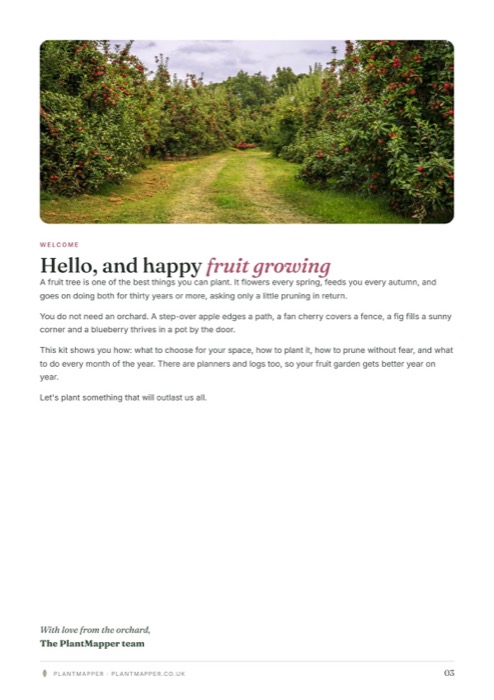
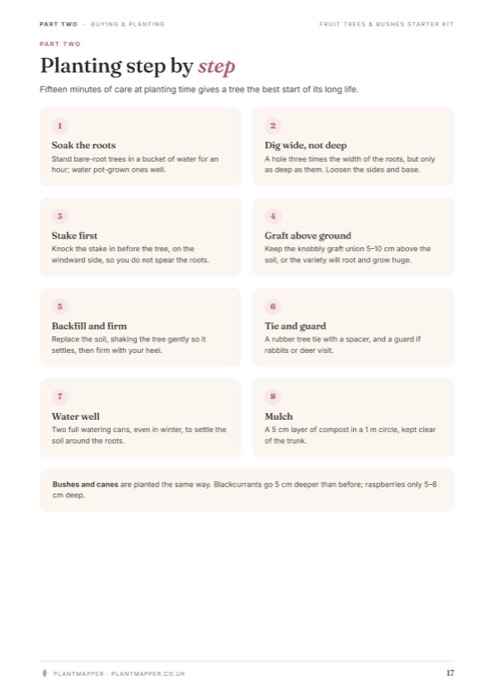
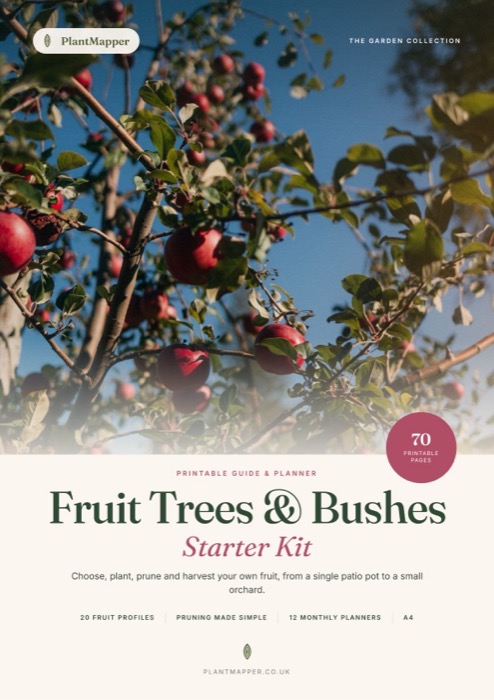 70-page printable workbook · US Letter & A4
Download the Fruit Tree Pruning & Training Guide
An instant digital download in US Letter and A4 sizes - print it as often as you like. Inside are the PlantMapper Pruning System, the Branch Priority Matrix, training-system selectors and formative-pruning timelines, plus field logs and trackers.
Get the Guide on Etsy (UK edition)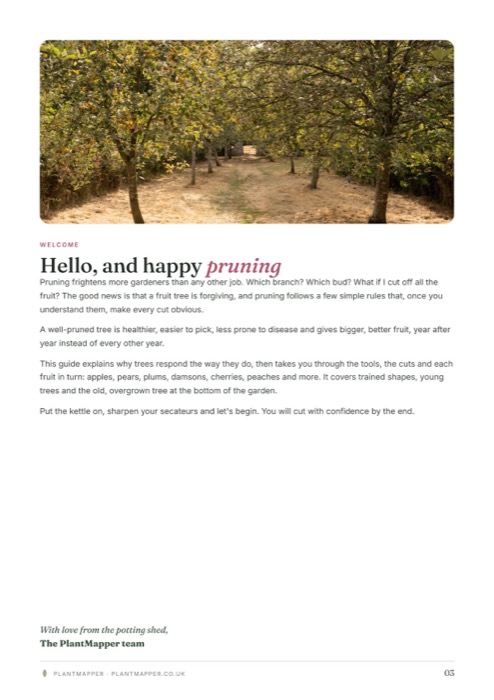
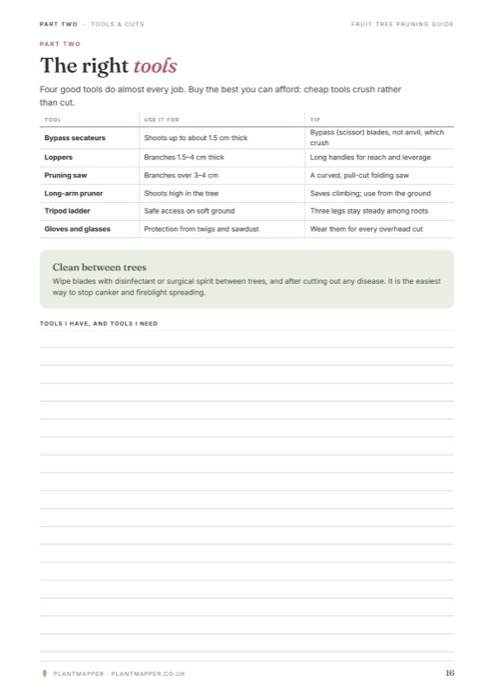
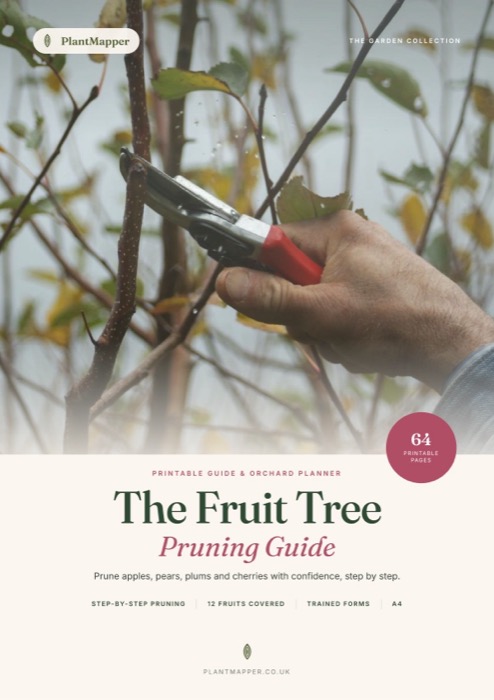 64-page printable workbook · US Letter & A4
Disclosures & disclaimers
Affiliate disclosure
Some links on this page are affiliate links. If you buy through them, PlantMapper may earn a small commission at no extra cost to you. It never affects which products we suggest.
Gardening disclaimer
All advice is general guidance for home gardens in the United States. Results vary with your zone, chill hours and local conditions - check variety, rootstock and pollination needs with a local nursery or your county extension office before you buy.
Food-safety note
Homegrown fruit is safe and delicious when ripe. Wash it before eating, don’t eat the seeds or pits of apples, pears, cherries, plums or peaches, and throw away any fruit that is damaged or moldy.