

Why a gentler approach works better
Insects, birds and mammals will always share your vegetable patch, and a few chewed leaves cost you nothing. The goal is not to kill every bug but to keep damage below the point where it matters, while protecting the predators and pollinators that make a garden productive. Broad insecticides tend to backfire: they wipe out the lady beetles and parasitic wasps along with the pests, and the pests (which breed faster) bounce back first. Prevention, barriers and patience do most of the work.
Protect your harvest
A row cover put on at the right moment, or a fence built before the deer find the garden, saves a crop that could otherwise vanish in a night.
Work with nature
Birds, toads, spiders, ground beetles and tiny parasitic wasps eat far more pests than you could ever spray. Give them a reason to stay.
Spray rarely, if ever
Most home gardens can skip synthetic insecticides entirely. That is better for you, your family, your soil and the bees working your squash flowers.
Some damage is fine
A perfect, blemish-free crop is not the goal; a productive, resilient garden is. Tolerating a few holes keeps the predators fed and the whole system in balance.
Pest Control in the Grow Your Own collection
Pest Control
Protect your crops the wildlife-friendly way, with prevention, barriers and gentle methods that work.
You are hereCompanion Planting
The natural partner to pest control: plants that confuse pests and attract their predators.
Beginner Vegetables
The crops worth protecting: easy, rewarding vegetables for your first season.
Tomatoes
Hornworms, whiteflies and stink bugs on America's favorite homegrown crop.
Composting
Compost-fed soil grows strong plants that shrug pests off.
Prevention first
The most effective pest control happens before a single bug shows up. These habits make your plants harder to find, harder to damage and better able to recover.
Grow strong plants
Plants in compost-rich soil, with the sun and water they need, resist pests far better. Stressed plants, especially drought-stressed ones, attract spider mites and borers first.
Space and airflow
Do not cram plants together. Good spacing dries leaves faster, cuts down on fungal disease and leaves pests fewer places to hide.
Scout often
Check leaf undersides and stems while you water. Catching a cluster of eggs or a handful of beetles early is a two-minute job; an infestation is not.
Clean up crop debris
Pull spent squash vines and cabbage stumps after harvest; many pests, including squash bugs and vine borers, spend the winter in plant debris or the soil beneath it.
Rotate your crops
Moving each crop family to a new bed every year keeps soil-dwelling pests and diseases from building up where their favorite plants grew.
Plant for the helpers
Native flowers, a water source and some shelter bring in the birds, toads and beneficial insects that keep pests in check all season.
Slugs and snails
Slugs are a major pest in the Pacific Northwest, along the coasts and anywhere springs are cool and wet; snails are a big problem in coastal California. In the dry Southwest you may rarely see them. Barriers, predators and a little hands-on work control them without harming pets or wildlife.

Go out after dark
Slugs and snails feed at night and after rain. A flashlight patrol, hand-picking them into a jar of soapy water, is the single most effective thing you can do.
Barriers around plants
Copper strips around raised beds and containers, or a ring of coarse material around seedlings, discourage slugs without harming anything.
Welcome the predators
Toads, garter snakes, ground beetles, opossums and many birds eat slugs. A shallow water feature, rocks and a brush pile give them a reason to stay.
Water in the morning
Watering early leaves the surface drier by nightfall, when slugs are on the move, and makes your beds much less inviting.
Beer traps and boards
Sink a shallow container of beer to the rim to trap slugs, or lay a board on the soil as a daytime hideout and scrape off what gathers under it each morning.
Iron phosphate bait for bad years
If you need a bait, choose an iron phosphate (ferric phosphate) product, which is much safer around pets and wildlife than metaldehyde baits. Scatter it thinly as the label directs.
Aphids
Aphids cluster on new growth across every state and multiply astonishingly fast, but they are also the favorite food of a whole army of beneficial insects. A little patience often solves the problem for you.
Spot them early
Look for clusters of tiny green, black, gray or pink insects on shoot tips and under leaves, often with sticky honeydew and ants farming them.
Hose or rub them off
A firm spray from the garden hose, or a wipe with your fingers, clears small colonies on the spot. Repeat every few days and they rarely take hold.
Let the lady beetles work
Lady beetles, lacewing larvae, syrphid fly larvae and tiny parasitic wasps (look for bronze, swollen "aphid mummies") eat aphids by the hundred. Hold off spraying and they usually catch up within a week or two.
Trap crops and flowers
Nasturtiums draw aphids away from beans, while dill, cilantro in flower, sweet alyssum and native yarrow attract the predators that eat them.
Caterpillars and Japanese beetles
Imported cabbageworms and cabbage loopers can strip broccoli and kale in days, tomato hornworms can defoliate a plant overnight, and east of the Rockies Japanese beetles skeletonize beans, basil, grapes and roses through early to midsummer. All of them can be managed without broad insecticides.
Cover the cabbage family
Lightweight floating row cover over broccoli, cabbage and kale, sealed at the edges, keeps the white cabbage butterflies from laying eggs at all.
Hand-pick hornworms and beetles
Hornworms are big and easy to spot by their dark droppings. Knock Japanese beetles into a bucket of soapy water in the cool of the morning, when they are sluggish.
Skip the beetle traps
Extension research has found that Japanese beetle traps can lure more beetles into the yard than they catch. If you use one at all, put it far from the plants you want to protect.
Bt for caterpillars, and spare the parasitized
Bacillus thuringiensis (Bt) products kill caterpillars that eat treated leaves and spare most other insects. A hornworm covered in white cocoons is carrying parasitic wasps: leave it alone.
Whiteflies and spider mites
Whiteflies rise in a white cloud when you brush a plant and are worst in greenhouses and in the South and Southwest year-round. Spider mites thrive in hot, dry weather, on dusty plants and under drought stress, and often explode after an insecticide has killed their predators.
Yellow sticky cards
Hung just above the plants, yellow sticky cards catch adult whiteflies and give early warning of an outbreak. Cheap, simple and spray-free.
Spray off the mites
Spider mites hate humidity. A strong hose spray to leaf undersides every few days in hot weather, and steady watering so plants are not stressed, keep them down.
Biological controls
In a greenhouse, the tiny wasp Encarsia formosa controls whiteflies, and predatory mites can be released against spider mites. Both are sold to home gardeners.
Soap and oil as backup
Insecticidal soap or horticultural oil, sprayed onto leaf undersides as the label directs, kills whiteflies and mites on contact and leaves little residue. Do not spray in the heat of the day.
Squash vine borer
East of the Rockies, a healthy zucchini or pumpkin vine that suddenly wilts in early summer often has a squash vine borer inside. The adult is a day-flying, wasp-like orange and black moth that lays eggs at the base of the stems; the larvae tunnel inside and cut off the water supply. Look for wet, sawdust-like frass at a hole near the base of the plant.
Cover until bloom
Row cover from planting keeps the moths away from the stems. Remove it when female flowers open so bees can pollinate, or hand-pollinate and leave it on.
Grow resistant squash
Butternut and other Cucurbita moschata squashes have solid stems that borers struggle with. Zucchini and pumpkins (C. pepo) are the favorite targets.
Operate on the stem
If you find frass, slit the stem lengthwise with a clean knife, remove the larva, then bury the damaged section under moist soil so the vine can root again.
Dodge the egg-laying window
Moths fly for a few weeks in early summer. In longer-season areas, a second sowing in midsummer often escapes them; till or clear spent vines in fall to destroy overwintering cocoons.
Birds in the vegetable garden
Most birds are firmly on your side: chickadees, wrens and bluebirds feed their nestlings almost entirely on caterpillars and other insects. A few cause trouble: crows and grackles pull up newly sprouted corn and peas, and American robins, Northern mockingbirds, catbirds and cedar waxwings love ripe berries and cherries. Netting, not anything harmful, is the answer. Remember that native songbirds are protected under federal law.
Netting is the answer
Bird netting or a walk-in cage over berries and young crops is the only truly reliable defense. Keep it taut and secured to the ground so birds cannot get tangled.
Protect seedlings most
Corn, peas and bean seedlings are most at risk in their first week or two. A strip of row cover until they are a few inches tall usually solves it.
Scare devices help briefly
Reflective tape, pinwheels and scare-eye balloons work for a week or so before birds get used to them. Useful at harvest time, not as a lasting fix.
Most birds are friends
The great majority of garden birds are eating pests for you. Protect the few crops they bother, and give the rest nest boxes, native shrubs and water.
Deer, rabbits, voles and other mammals
For many American gardeners, mammals do more damage than all the insects combined. White-tailed deer browse gardens across most of the country, cottontail rabbits clip seedlings to the ground, voles chew roots and girdle young trees under the snow, and groundhogs, squirrels and raccoons take their share. Exclusion is the only reliable answer.
Fence out deer and rabbits
Deer can clear a 6-foot fence; plan on about 8 feet, or a double or angled fence. For rabbits, 2-foot chicken wire or hardware cloth with small openings, buried a few inches deep, keeps them out. Groundhogs need the bottom bent outward underground.
Guard trunks from voles
Wrap young fruit trees with hardware-cloth cylinders sunk a few inches into the soil, and pull mulch a few inches back from trunks so voles have no cover in winter.
Protect, do not poison
Poison baits can kill hawks, owls, foxes and pets that eat poisoned animals. Exclusion, cages and live-trapping (check your state's wildlife rules first) are safer and more effective.
Repellents, rotated
Odor- and taste-based deer and rabbit repellents can reduce browsing on ornamentals near the garden if reapplied after rain and rotated so animals do not get used to them. Check the label before using any on food crops.
Natural pest control methods
These simple tools handle almost everything a vegetable garden throws at you. Start here, and you will seldom need anything stronger.
Hand-picking
The oldest method and often the best. Picking off beetles, caterpillars, squash bug eggs and slugs keeps small problems from becoming big ones.
A blast from the hose
A firm spray of plain water knocks off aphids and spider mites without a drop of pesticide. Cheap, instant and completely harmless.
Biological controls
Bt for caterpillars, beneficial nematodes for soil grubs, and predatory insects for greenhouse pests let living things do the work, with little harm to wildlife.
Traps for monitoring
Sticky cards for whiteflies and pheromone traps for codling moth tell you when a pest arrives, so you act at the right time instead of spraying on a schedule.
Companion planting
Flowering herbs and natives among the vegetables draw in pest predators. See our companion planting guide for good combinations.
Sprays as a last resort
If you must spray, choose the gentlest EPA-registered option for the pest (insecticidal soap, horticultural oil, Bt, neem oil), check that the label lists your crop, spray in the evening when bees are not foraging, and never spray open flowers. The label is the law.
Encouraging beneficial wildlife
The most powerful pest control of all is a yard full of creatures that eat pests for you. Invite them in and they will keep the balance year after year, for free.

Lady beetles and lacewings
The great aphid eaters. Grow lots of flowers, hold off the sprays and leave some hollow stems and leaf litter for them to shelter in over winter. Buying boxes of ladybugs rarely helps: most fly away.
Syrphid flies and tiny wasps
Syrphid (hover) fly larvae devour aphids, and tiny parasitic wasps attack aphids, whiteflies and caterpillars. Dill, fennel, cilantro and native asters and goldenrods feed the adults.
Toads, snakes and spiders
The night shift. American toads, garter snakes and garden spiders eat huge numbers of slugs and insects. Rocks, a brush pile and a shallow water dish make them at home.
Insect-eating birds
Carolina wrens, chickadees, Eastern bluebirds, American robins and purple martins eat caterpillars, beetles and grubs. Nest boxes, native berrying shrubs and a birdbath bring them in.
Plant native flowers
Native coneflowers, bee balm, mountain mint, goldenrod and asters among or near the vegetables feed native bees, monarchs and pest-eating insects from spring to fall.
Leave a wild corner
A patch of unmown native plants, a log pile or leaves left under shrubs gives beneficials shelter and a place to overwinter. A little wildness pays you back.
Row covers, netting and fences
The most reliable pest control is to keep pests off the crop to begin with. A barrier harms nothing; it just stands between the pest and your dinner.

Insect netting
Fine insect netting keeps out cabbage butterflies, flea beetles, cucumber beetles and leafminers; coarser bird netting keeps off birds. Match the mesh to the pest.
Floating row cover
Lightweight spun fabric laid over hoops protects young plants from insects and light frost alike. Remove it from squash, cucumbers and melons when they flower, for pollination.
Berry cages
A walk-in netted cage is the lasting answer for blueberries, strawberries and cherries, keeping birds out while you walk in to pick.
Hoops over raised beds
Hoops and netting over a raised bed make an easy-to-cover growing space, ideal for brassicas, greens and carrots. Line the bottom with hardware cloth if gophers or voles tunnel in.
Fit barriers well
Keep netting taut and off the leaves, bury or weight the edges of row cover, and secure everything so it works, and so birds, snakes and other wildlife cannot get tangled.
The kindest control
Barriers protect your harvest without harming a single creature: no poisons, no casualties, just a physical line between pest and plant.
Companion planting for pest control
Some of the best pest control comes from the plants themselves. The right companions decoy pests away and feed the insects that eat them. See our full companion planting guide for more.
Marigolds
French marigolds are a classic among tomatoes and peppers; their open flowers attract syrphid flies and parasitic wasps. Evidence for repelling pests is mixed, but they never hurt.
Trap crops
Nasturtiums lure aphids, and a few early Blue Hubbard squash at the edge of the garden can pull squash bugs and cucumber beetles away from your main crop.
Mix it up
Interplanting onions, garlic and herbs among carrots and cabbages makes the crop harder for pests to find than a long single row.
Flowers for the predators
Dill, fennel, sweet alyssum, buckwheat and native yarrow feed lacewings, lady beetles and tiny wasps, flowers that work for you.
Common mistakes
A few well-meant habits make pest problems worse. Avoid these and your garden will stay in healthy balance.
!Reaching for the spray
Spraying a broad insecticide at the first sign of trouble. It kills the beneficial insects along with the pests, and spider mites and aphids often come back worse. Give the predators a chance first.
!Chasing perfection
Trying to eliminate every pest. A few holes are normal and harmless. Aim for a productive, balanced garden, not a sterile one.
!Sloppy barriers
Netting draped right on the leaves. Pests reach straight through and wildlife gets tangled. Hold netting clear of the crop on hoops and secure the edges.
!Japanese beetle traps in the garden
Hanging the trap next to the roses or beans. The lure draws beetles from all over the neighborhood, and many land on your plants instead of in the bag.
!Acting too late
Waiting until it is an infestation. A quick daily look keeps every job small. Squash vine borers and hornworms in particular are far easier to catch early.
!Ignoring the label
Mixing stronger than directed, or using a product on a crop it is not labeled for. Pesticide labels set the crop, rate and days before harvest. Following them is a legal requirement, not a suggestion.
Explore more with Plant Finder & the Grow Your Own guides
Healthy plants resist pests best. Use our free Plant Finder to match plants to your conditions, and these guides to grow them strong and well protected.
Helpful garden calculators
Plan the practical side of a healthy, well-protected garden with our free calculators, so every bed is filled, fed and spaced to grow strong plants.
Useful for protecting your crops
Our picksAs an Amazon Associate, PlantMapper may earn from qualifying purchases. Prices and availability are set by Amazon. Before buying any pest control product, check that it is EPA-registered, labeled for the crop and pest, and allowed in your state.
Natural pest control: your questions answered
What is the best natural pest control for vegetable gardens?
Prevention and balance, which Extension specialists call integrated pest management (IPM). Grow strong plants in good soil, rotate crops, cover vulnerable crops with row cover or netting, fence out deer and rabbits, plant flowers that feed beneficial insects, and scout often so you catch problems early. Hand-picking, a strong spray of water and targeted products like Bt or insecticidal soap handle most of what is left.
How do I get rid of Japanese beetles naturally?
Knock them into a bucket of soapy water in the early morning, when they are slow, and repeat every day or two during their flight period in early to midsummer. Cover high-value crops like beans with row cover during peak weeks. Avoid hanging Japanese beetle traps near your garden, because Extension research shows they can attract more beetles than they catch. Controlling the grubs in your own lawn has limited effect, since adults fly in from the neighborhood.
How do I keep deer and rabbits out of my vegetable garden?
Fencing is the only reliable answer. Deer can jump a 6-foot fence, so plan on about 8 feet, or a double or angled fence. Rabbits need 2-foot chicken wire or hardware cloth with small openings, buried a few inches into the soil. Repellents and scare devices reduce browsing for a while but deer get used to them, especially when food is scarce.
How do I stop squash vine borers?
Cover zucchini, pumpkins and summer squash with row cover from planting until they flower, so the moths cannot lay eggs at the base of the stems. Grow butternut squash, which resists them. Check stems for holes and sawdust-like frass in early summer; if you find it, slit the stem, remove the larva and bury that section of vine so it roots again. A second sowing in midsummer often escapes the egg-laying period, and clearing spent vines in fall reduces next year's population.
How do I control slugs without harming wildlife?
Hand-pick them at night with a flashlight, water in the morning so the soil is drier after dark, use beer traps and boards to collect them, and encourage toads, garter snakes, ground beetles and birds. If you need a bait, choose an iron phosphate (ferric phosphate) product rather than metaldehyde, which is far more toxic to dogs and wildlife.
How do I stop birds eating my vegetables and berries?
Netting is the most reliable answer. Cover berries, cherries and young seedlings with bird netting or a walk-in cage, keep it taut and secured at the base so birds cannot get tangled, and use row cover over corn and pea seedlings for their first couple of weeks. Scare tape and balloons only work briefly. Native songbirds are protected by federal law, so never trap or harm them.
Are organic pesticides safe to use?
Organic or natural does not automatically mean harmless. Products such as insecticidal soap, horticultural oil, Bt and neem oil are relatively low-risk, but some botanical insecticides are toxic to bees and fish. Whatever you use, make sure it is EPA-registered (or listed as a minimum-risk product), labeled for the crop and pest, and applied exactly as the label says, including the waiting period before harvest. Spray in the evening when bees are not foraging and never on open flowers.
The Grow Your Own Starter Kit
Everything on this page is free to use: prevention, the common pests and how to handle them, natural methods, beneficial wildlife, barriers and companion planting. The Grow Your Own Starter Kit is an optional next step, a calm printable workbook for planning and tending a healthy, well-protected vegetable garden away from the screen. It works hand in hand with our free garden calculators and Plant Finder.
Pest identifier
A printable guide to common garden pests: what they look like, the damage they do and gentle ways to deal with each one.
Natural control toolkit
A handy reference to barriers, traps, biological controls and companion plants, all in one place.
Wildlife garden planner
Worksheets for planning the flowers, water and shelter that bring in the birds and beneficial insects that keep pests in check.
Protection calendar
A seasonal reminder of when to cover, net and watch for each pest, so every crop is protected just in time.
Companion planting plans
Ready-made planting combinations that build pest control into the bed, confusing pests and feeding their predators.
Grower's journal
Pages to record which pests showed up, what worked and what to change, the notes that make every season calmer.
Download the Grow Your Own Starter Kit
An instant digital download in US Letter and A4. Print it at home as often as you like and plan a whole year of homegrown food. Inside are planning and crop systems, bed and rotation planners, a sowing and harvest calendar, a crop directory and seasonal trackers, all in the calm PlantMapper style. It is part of the wider PlantMapper Collection.
Download the Starter Kit on Etsy (UK edition)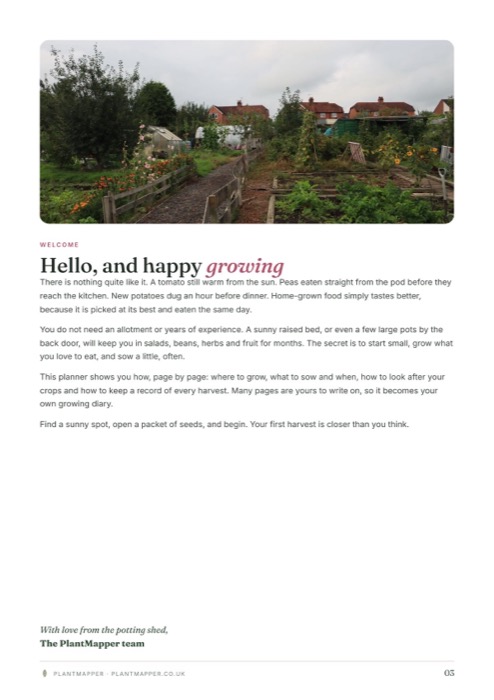
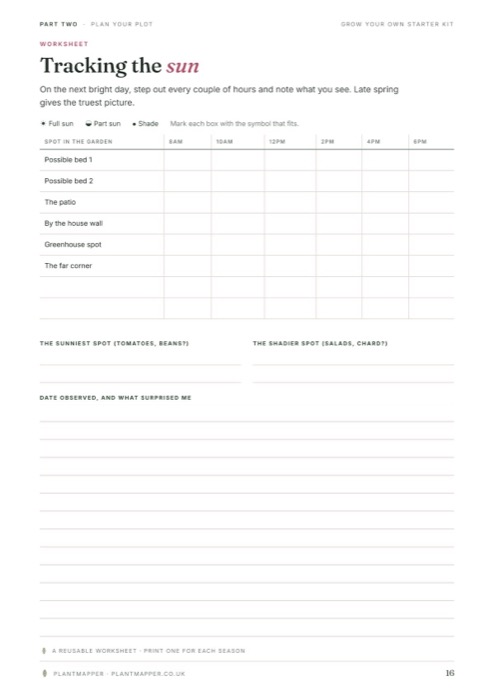
 66-page printable workbook · US Letter & A4
Disclosures & disclaimers
Affiliate disclosure
Some links on this page are affiliate links. If you buy through them, PlantMapper may earn a small commission at no extra cost to you. It never affects which products we suggest.
Gardening disclaimer
All advice is general guidance for home gardeners in the United States. We favor prevention and wildlife-friendly methods. If you use any pest control product, make sure it is EPA-registered and allowed in your state, and read and follow the label exactly: the label is the law. Your state's cooperative extension service can identify pests and recommend locally tested controls.
Wildlife note
Most garden creatures are harmless or helpful. Choose the kindest effective method, secure netting so wildlife cannot get trapped, avoid poison baits that move up the food chain, and check your state's wildlife regulations before trapping or relocating any animal.