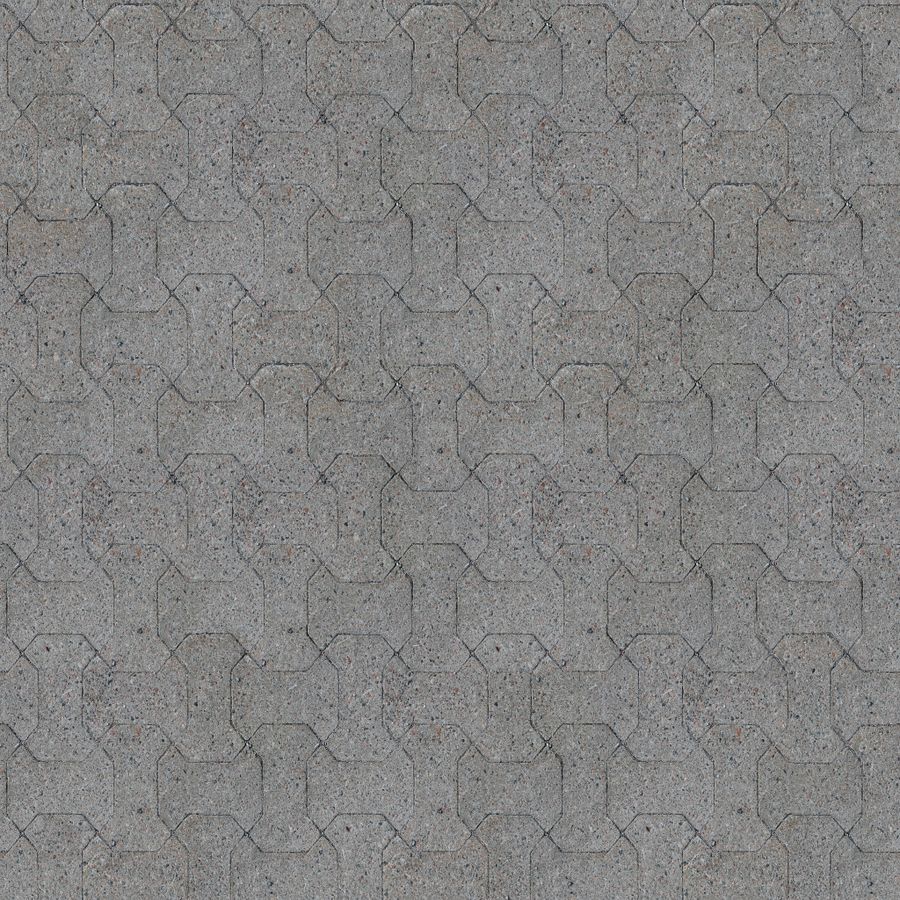
Patio Materials: Pavers, Stone, Concrete and Porcelain Compared
Concrete pavers or a poured slab? Bluestone or porcelain? Here is how each common patio
surface looks, how it copes with a Minnesota winter or an Arizona summer, how slick it gets
when wet, how much looking after it needs and roughly what it costs per square foot.
Dollar figures are rough national ranges, not quotes. Always check the product’s
technical data and get a sample. Part of the PlantMapper Patios section.
The surface you pick sets the mood of the whole backyard · photograph via Pexels
Where to start
The right patio material depends on your yard, not on a ranking
Walk any American subdivision and you will see the same three patios over and over: a plain
broom-finished slab poured with the house, a stamped concrete upgrade, and a paver patio added
later. Each can be exactly right or a quiet regret. A dark slate terrace that looks stunning in
Oregon becomes a griddle in Phoenix. A stamped slab that sails through Georgia winters can crack
and flake in Wisconsin if it was poured badly and salted hard. The material itself is rarely the
problem; the mismatch with climate, house and lifestyle is.
This guide compares the surfaces Americans actually build patios from: flagstone (bluestone,
sandstone and quartzite), porcelain pavers, limestone, slate, granite, poured concrete in its
plain, stamped and exposed-aggregate forms, interlocking concrete pavers, clay brick, and gravel
or decomposed granite. For each one you get the things that genuinely differ: looks, freeze-thaw
toughness, heat in the sun, grip when wet, upkeep and rough cost. Then come the decisions people
go back and forth on most: pavers or poured concrete, porcelain or natural stone, smooth or
textured, light or dark, and big units or small ones.
Two ground rules. First, treat every dollar figure here as a rough guide. Prices swing a
lot between regions, between a DIY weekend and a hired crew, and with access and site prep, so we
give broad per-square-foot ranges rather than exact numbers. Second, bring home a sample of
anything on your shortlist, set it outside, and look at it wet, in shade and at midday. No
photo, including the ones on this page, tells you what a paver will look like in your yard.
Six questions
Narrowing the field fast
Answer these and you will usually be left with two or three sensible options.
How cold do your winters get?
Freeze-thaw rules out more than taste does
Across the northern half of the country, water soaks into a surface, freezes, expands and
thaws dozens of times a winter. Some materials shrug that off; others flake and crack.
Zones 3-6: favor dense pavers, granite, bluestone and frost-rated porcelain; avoid soft stone and anything not rated for exterior freeze-thaw
Deicing salt is hard on young concrete and soft limestone and sandstone: plan for sand or a gentle deicer
Zones 8-10: freeze-thaw barely matters, so heat and sun take over as the deciding factors
How much sun and heat does it get?
Southern and Southwestern sun changes everything
A west-facing patio in Texas or Arizona can get too hot to stand on barefoot by mid-afternoon.
A shaded patio in the humid Southeast or the Pacific Northwest stays damp and grows algae.
Full hot sun favors light-colored pavers, travertine-look porcelain and pale concrete; skip dark slate
Deep shade favors dense surfaces that clean easily: porcelain, granite, good pavers
Under trees expect tannin, sap and berry stains, so choose something you can scrub
How much upkeep will you really do?
Every patio needs some attention
The question is how often and how fussy. Be honest about how many Saturdays you want to spend
with a sprayer and a broom.
Most work: stamped concrete (resealing every few years), limestone and pale sandstone in shade
Who will walk on it?
Grip is a safety call
Kids running from a pool, older relatives, steps, slopes and shade all push you toward
texture.
Ask for a slip rating: tile and porcelain makers publish a wet DCOF figure, and stone suppliers can tell you the finish
Polished or glazed surfaces outdoors are dangerous when wet or icy
Steps and pool decks should always get a textured finish
What is going on it?
Tables need a flat surface
Rough natural-cleft stone is beautiful and makes a dining table wobble all summer.
Dining and grilling favor pavers, sawn or thermal-finish stone, porcelain or concrete
Hot tubs, outdoor kitchens and fire features need a base or slab designed for the weight
Anywhere a car might drive needs a driveway-grade build: get advice
Where does the budget go?
Material is often the smaller half
Two materials at a similar price per square foot can cost very different amounts once they
are installed.
Irregular flagstone takes far longer to fit than square-cut pieces: that is labor
Small units such as brick and cobbles take longer per square foot than large pavers
Porcelain needs diamond cutting and a careful setting method, which adds to the install
At a glance
Patio materials side by side
Everything on one table. On a phone, scroll it sideways; each material then gets its own
section further down.
Installed costs are rough national ranges per square foot for a simple backyard patio, including base prep. Expect higher in big metro areas and for complicated shapes; DIY material costs are much lower.
Material
Character
Freeze-thaw
Slip when wet
Heat and aging
Upkeep
Rough installed cost
Flagstone (bluestone, sandstone, quartzite)
Natural, varied; irregular or cut into squares
Bluestone and quartzite excellent; soft sandstone fair
Good if air-entrained and well cured; will crack somewhere
Broom finish good; sealed stamped can get slippery
Plain gray stays fairly cool; stamped color can fade
Low for broom; stamped needs resealing every 2-3 years
About $6-12 plain, $12-20 stamped
Concrete pavers (interlocking)
Modular units, many shapes and patterns
Very good; flex with frost instead of cracking
Good: textured faces and many joints
Color softens; joint sand needs topping up
Moderate; joints are the job
About $15-30/sq ft
Clay brick pavers
Warm, traditional, ages well
Excellent when rated for severe weather
Good; texture and many joints
Color is fired in and does not fade
Moderate; moss in shade
About $15-30/sq ft
Gravel or decomposed granite
Loose, informal, drains freely
Indefinite, but frost and rain shift it
Good grip, loose underfoot
Light DG reflects heat and glare
Raking, weeding, topping up
About $3-8/sq ft
In detail
Each material in depth
Nine options, each with where it shines, where it struggles and what living with it is
really like.
Flagstone: bluestone, sandstone and quartzite
About $15-35/sq ft installed
“Flagstone” simply means flat slabs of split stone, and what you
get depends on where you live. In the Northeast it usually means Pennsylvania or New York
bluestone; in the Southwest, Arizona or Colorado sandstone; across the Midwest and
South, Tennessee crab orchard or other quartzite. It comes either as irregular pieces fitted
like a jigsaw or as dimensional squares and rectangles, and with a natural cleft face or a
flatter thermal finish.
Looks likeBlue-gray and lilac (bluestone), buff, red and rose (sandstone), silvery tan (quartzite)
Best forTraditional and cottage-style yards, older homes, natural and native-plant landscapes, paths that join the patio
DurabilityBluestone and quartzite are hard and handle freezing well; softer sandstones can flake in cold, salted winters
SlipNatural cleft gives good grip. Thermal and honed finishes vary, so check before using on steps
HeatDark bluestone gets hot in full summer sun; pale sandstone stays cooler
CleaningA yearly scrub with water and a stiff brush; an oxygen-based cleaner if algae appears
SealingOptional. A penetrating sealer helps against grease and wine but needs redoing every few years
In its favor
Real stone that looks better as it ages
Regional stone fits the local landscape naturally
Can be dry-laid on gravel and sand or set in mortar on a slab
Pieces left over make stepping stones and edging
Against it
Porous, so grease, wine and rust from furniture can stain
Natural cleft surfaces make tables rock
Irregular pieces are slow, skilled work to fit
Thickness varies a lot unless you buy gauged stone
Porcelain pavers
About $20-40/sq ft installed
Outdoor porcelain is fired ceramic made thick enough to walk on outside,
usually about ¾ in thick. It absorbs almost
no water, which is why it stands up to freeze-thaw and why stains wipe off. It can be set on a
sand and gravel base like other pavers, on pedestals over a roof deck, or bonded to a concrete
slab with the right thinset. It must be cut with a diamond blade.
Looks likeWhatever it is printed as: travertine, bluestone, concrete, wood plank or solid color
Best forModern homes, shaded or humid yards, pool surrounds, dining patios, anyone who wants minimal upkeep
DurabilityVery high. Choose a product rated for exterior use and freeze-thaw if you get frost
SlipAll down to the finish. Use an outdoor, textured grade; never indoor tile
HeatLight colors stay much cooler than dark stone in Southern sun
CleaningThe easiest of all: hose, broom and occasionally a mild detergent
SealingNot needed, and a sealer can leave a patchy, slippery film
In its favor
The lowest-maintenance patio surface you can buy
Shrugs off grease, wine and sunscreen under a dining table
Very consistent size and thickness for a flat finish
Stays clean in humid shade where stone goes green
Against it
Higher material cost and fewer installers who know it well
Can look a little too perfect beside a rustic or historic home
A chipped edge shows the body color underneath
Cutting needs the right blade and makes a lot of slurry
Limestone and travertine
About $20-40/sq ft installed
Fine-grained and even, limestone is the stone to pick when you want the
patio to stay quiet and let the planting lead. In the US that often means Indiana limestone or
Texas and Florida shellstone; travertine, a close relative, is a pool-deck favorite in the
South because it stays comfortable underfoot. Both are softer than granite or bluestone and
mark more easily.
Looks likeEven buff, cream, dove gray and blue-gray; travertine has small natural holes
Best forClassic and contemporary designs, pool surrounds in warm climates, formal courtyards
DurabilityFine for foot traffic; less tolerant of hard freezes and salt than denser stones
SlipFair. Honed surfaces can be slick wet; tumbled travertine grips better
HeatPale limestone and travertine stay among the coolest surfaces in full sun
CleaningGentle only. Acidic cleaners (and lemon juice or vinegar) etch it
SealingWorth doing more often than with other stones, especially near the grill
In its favor
Calm, even, high-end look
Usually sawn to a consistent thickness, so it lays flat
Cool underfoot in hot climates
Pale tones flatter green planting
Against it
Stains and marks more easily than any other stone here
Etched by acids, including some patio cleaners and citrus
Not the best pick where winters are long, wet and salted
Needs a more careful cleaning routine
Slate
About $20-35/sq ft installed
Slate splits into thin, flat layers with a subtly rippled face, and when it
is wet the color deepens in a way few materials match. Vermont and New York produce some of
the toughest slate in the country; imported slates vary much more. It is the most dramatic
option here and a striking backdrop for foliage and pale gravel.
Looks likeCharcoal, blue-black, green, purple and rusty multicolor
Best forModern and Japanese-inspired designs, water features, shaded Pacific Northwest yards
DurabilityDense slate is very good; softer types shed thin surface flakes, especially after hard freezes
SlipUsually good because of the natural cleft; avoid polished slate outdoors
HeatAbsorbs a lot of heat; uncomfortable barefoot in Southern and desert sun
CleaningEasy, but dust, pollen and hard-water spots from the hose show clearly
SealingOptional; an enhancing sealer gives a permanent wet look
In its favor
Nothing else looks quite like it in the rain
A superb foil for green and silver plants
Natural texture gives decent grip
Thin pieces suit small courtyards and entries
Against it
Gets very hot in full sun
Shows pollen, dust and hard-water marks
Some slates flake, which is normal but looks worrying
Makes a small, shaded yard feel darker and smaller
Granite
About $25-50+/sq ft installed
The toughest thing you are ever likely to put in a yard. Granite comes as
large flamed slabs, as cobbles, or as the rectangular Belgian block that edges driveways
all over the Northeast. It is crystalline and dense, so it hardly absorbs water, laughs at road
salt and freeze-thaw, and looks the same after decades.
Looks likeSpeckled silver-gray, charcoal, black or warm pink-gray
Best forFormal designs, cold and salted climates, edging, steps, driveway aprons
DurabilityThe best on this page. Granite cobbles in old city streets have lasted well over a century
SlipExcellent flamed or bush-hammered; polished granite belongs on a kitchen counter, not outside
HeatDark granite gets hot; lighter grays are fine
CleaningVery little. Most spills simply rinse away
SealingRarely needed on flamed granite
In its favor
Effectively permanent, even in the harshest winters
Cobbles handle curves, circles and edge details beautifully
Takes vehicles when the base is built for it
Almost no maintenance
Against it
The priciest option here, to buy and to install
Cobbles are slow work: many joints
Can look like a city plaza over a big plain area
Heavy and hard to cut
Poured concrete: broom, stamped and exposed aggregate
About $6-12 plain, $12-20 stamped
The most common patio in America, usually a 4 in slab on a compacted gravel
base. A broom finish is the plain, grippy, budget version. Stamped concrete is
colored and pressed with mats to look like stone, brick or slate. Exposed aggregate has
the surface washed off to show the pebbles inside. All of it is one continuous slab, so it is
fast to install and has no joints for weeds, but it will crack somewhere, which is why control
joints are cut in to tell it where.
Looks likePlain gray, tinted, stone- or brick-pattern stamped, or pebbly exposed aggregate
Best forLarge areas on a budget, outdoor kitchens and hot tubs on a proper slab, simple modern designs
DurabilityGood when air-entrained (for freezing climates), well cured and not salted in its first winter
SlipBroom and exposed aggregate grip well; glossy-sealed stamped concrete can be slick, so ask for an anti-slip additive
HeatPlain gray stays moderate; dark stamped colors run hot
CleaningEasy. Efflorescence can show in the first year
SealingOptional on broom finish; stamped concrete needs resealing every 2-3 years to hold its color
In its favor
The cheapest way to pave a large area properly
No joints for weeds or ants
Perfect base for outdoor kitchens, fire pits and hot tubs
Stamped and colored options look far better than plain gray
Against it
Cracks are hard to repair invisibly
Frost heave or settling can tilt whole sections
Stamped finishes fade and need resealing
Not really a DIY job beyond small slabs
Interlocking concrete pavers
About $15-30/sq ft installed
Factory-made concrete units, typically about 2 3/8 in thick for patios,
laid tight on 1 in of bedding sand over 4-6 in or more of compacted gravel, held by a rigid edge
restraint and locked with polymeric sand in the joints. They come in dozens of shapes, from
plain rectangles to tumbled cobble looks and big modern slabs, and are the most popular
DIY-friendly patio in the country. Permeable versions with wider gravel-filled joints let rain
soak through.
Looks likeHerringbone, running bond, basketweave or random patterns in gray, tan, red, charcoal and blends
Best forCold climates, curves and circles, DIY builds, matching a paver driveway or walkway
DurabilityVery good. Dense pavers move slightly with frost instead of cracking
SlipGood: textured faces and lots of joints
WeatheringColor softens over the years; joint sand needs topping up
CleaningRegular sweeping; a power washer held too close blasts out the joint sand
SealingOptional; a joint-stabilizing sealer helps hold the sand and deepens color
In its favor
Individual pavers lift out and go back: truly repairable
Handles freeze-thaw without the cracking a slab gets
Permeable systems help where runoff or lot-coverage rules matter
A doable weekend project for a confident DIYer
Against it
Some styles look like a driveway
Joints need upkeep and are where weeds and ants start
Sinks and spreads if the base or edge restraint is poor
Many joints make a busier surface underfoot
Clay brick pavers
About $15-30/sq ft installed
Made for walking on, unlike the building bricks salvaged from a chimney,
which soak up water and can crumble after a few winters. In freezing climates look for pavers
rated for severe weathering. The color is fired all the way through, so brick never fades,
and it takes on the worn, comfortable look of an old Colonial or Southern courtyard.
Looks likeRed, rose, tan, brown and dark flashed tones; small units, lots of joints
Best forColonial, Craftsman and historic homes, edging bands, walkways, patios next to brick houses
DurabilityExcellent if you buy true pavers, not building bricks
SlipGood, from the texture and joints; moss in shade can make it slick
WeatheringGets better with age; the color does not fade
CleaningSweep and wash now and then; watch for moss in shade
SealingNot usually needed
In its favor
Ages more gracefully than anything else here
A natural match for brick houses and traditional landscapes
Lovely as a border band around stone or concrete
Color is permanent
Against it
Slow to lay: small units, lots of joints
Building bricks fail in frost; only pavers will do
Busy over a large area unless the pattern is simple
Moss and algae like the joints in humid shade
Gravel and decomposed granite
About $3-8/sq ft installed
Loose stone is the cheapest patio there is, and in the West a compacted
decomposed granite (DG) patio is a classic, especially the stabilized kind with a binder
mixed in. Elsewhere pea gravel is more often used as a casual seating area or as a margin
beside paving, where it soaks up runoff, lets you plant right to the edge and stretches the
budget.
Looks likeTan and gold DG, gray crushed stone, river rock, rounded pea gravel
Best forDry Western yards, fire pit circles, informal seating, margins and planting pockets
DurabilityLasts indefinitely, but it migrates, washes out on slopes and needs topping up
SlipGood grip, though loose underfoot and tough for wheels and heels
HeatPale DG reflects a lot of glare in desert sun
CleaningRake, weed and top up; a leaf blower on low clears debris
EdgingAlways needs a firm edge set a little higher than the surface
Helps where runoff or impervious-surface limits apply
Against it
Chairs sink and tables wobble
Gets tracked onto the lawn and into the house
Weeds sprout in the debris that collects
Hard going for wheelchairs, strollers and wheelbarrows
Turn a choice into a shopping list
The free PlantMapper calculators give you square footage and paver counts for the patio,
plus cubic yards and tons of gravel for the base or a gravel border.
The same stone can be a joy or a hazard depending on how its face was finished. These are
the terms you will see on a stone yard’s price list or a paver catalog.
Finish
How it is made
Character
Best used
Natural cleft
Stone split along its natural layers
Uneven, textured, rustic
Paths, informal patios, general areas; not under a dining table
Thermal (flamed)
Face blasted with a torch so the surface pops off
Flat but rough, excellent grip
Bluestone and granite patios, steps, pool decks, shade
Sawn
Cut flat by machine, square edges
Crisp and contemporary; tight joints possible
Dining areas, modern designs, anywhere flatness matters
Honed
Ground to a smooth matte face
Silky and refined; slick when wet
Covered porches and dry climates; check grip first
Bush-hammered
Surface pitted with a textured hammer
Even, fine texture
Steps and treads where you want grip and flatness
Tumbled
Rolled in a drum to round the edges
Softened, old-world look
Travertine, cobble-style pavers, traditional designs
Broom / stamped / exposed (concrete)
Textured while the concrete is still wet
Grippy broom lines, patterned stamp or pebbly surface
Poured patios; ask for anti-slip grit in any glossy sealer
Gauged
Back ground so every piece is the same thickness
Not a look but a time saver
Faster, flatter installs; worth paying for on big patios
Granite: dense, crystalline and close to indestructibleSmall pavers follow curves that big slabs cannotA gravel strip beside paving softens the edge and takes runoff
Safety first
Slip resistance: check it before you buy
A patio that feels fine on a dry July day can be treacherous after a spring storm, a lawn
sprinkler, a splash from the pool or a thin glaze of ice. Grip is the one thing worth checking
on paper rather than by eye.
What to ask the supplier
For porcelain and tile, US makers publish a wet DCOF (dynamic coefficient of friction)
figure measured under the ANSI A326.3 test, and many now state whether a product is suited to
exterior wet areas. Natural stone and concrete are usually described by finish instead, so ask
what finish you are getting and walk on a wet sample.
Ask about wet grip, not dry. Nobody slips on a dry patio.
0.42 wet DCOF is the minimum for level indoor floors that get wet. Outdoors you want
a product the maker specifically rates for exterior wet use, which is usually more textured.
Steps, ramps and pool surrounds need more grip than flat areas. Use a textured or
thermal finish on every tread.
Never put indoor tile outside. It is not made for frost or wet feet, however good it
looks.
Grip changes with time. Algae, moss, mildew and a glossy sealer can all turn a good
surface slick. That is a maintenance issue rather than a material fault: see
removing algae.
If a seller cannot tell you how a product performs wet, take that as an answer in
itself.
Big units or small
Large pavers or small ones?
Unit size gets less attention than color, but it changes how the space feels, how long it
takes to lay and how much you waste in cuts.
Large format
24 × 24 in and bigger
Fewer joints give a calm, open surface that makes a small courtyard look larger, and the
finished patio reads as modern and upscale. Each piece covers a lot of ground, so laying goes
quickly.
The downsides are weight, since big slabs are a two-person lift, and cutting: every cut
wastes a lot, so odd shapes get expensive. Large units also show any unevenness in the base.
Pick it if the patio is a simple rectangle, you like a modern
look, and pallets can be dropped close to the work.
Small format
Brick, cobbles and small pavers
Small units bend around curves, slopes and tight corners without much cutting, and they
forgive a base that is not perfectly flat. Any one piece can be lifted out to fix a dip or
reach a buried line.
The price is time: a square foot of cobbles takes several times longer to set than a square
foot of large pavers, and all those joints need looking after.
Pick it if the shape is complicated, the style is traditional, or
easy repairs matter more than speed.
Mixed sizes
Multi-size pattern kits and Ashlar layouts
Many pavers and most dimensional flagstone come in three or four sizes meant to be laid in
a repeating random or Ashlar pattern. It looks relaxed, uses the stone efficiently and suits
traditional homes.
Lay the pattern out dry before you commit. Done carelessly, random patterns end up with
long straight joint lines that catch the eye and never look right.
Pick it if you want a classic look and are willing to plan the
pattern rather than wing it.
As an Amazon Associate, PlantMapper may earn from qualifying purchases. Prices and availability are set by Amazon. Large pavers weigh more than they look, so check the weight per piece before ordering, and cut outdoors with eye, ear and dust protection (cutting concrete and stone releases silica dust).
Light or dark
Light-colored or dark patio?
Color does more than set the style. It decides how hot the patio gets, how big the yard
feels, how much dirt shows and how the planting looks against it.
✓Light and pale surfaces
Stay noticeably cooler in the sun, a big deal for bare feet, kids and dogs from Texas to Florida to Arizona
Brighten a shaded patio and make a small yard feel bigger
Make plants stand out and flower color pop
But show everything: mud, leaf tannin, grill grease, wine, rust rings from furniture
And can glare hard in strong Southwestern sun
!Dark and charcoal surfaces
Look sharp and modern and give planting a dramatic backdrop
Hide everyday dirt much better
But get dangerously hot in full summer sun in the South and Southwest
And show pollen, dust and hard-water spots clearly
And make a shaded, fenced yard feel smaller and gloomier
Wet the sample. Nearly every surface darkens a lot when wet, and some, slate above all,
change character completely. Hose your sample down, then look at it again at the time of day
you actually use the patio.
The real decisions
Head to head: the choices people go back and forth on
Straight answers to the five comparisons that come up most.
Comparison 1
Porcelain pavers vs flagstone
Porcelain wins on: upkeep, stain resistance, color that never changes, performance in
humid shade, a flat surface for dining, and freeze-thaw toughness when it is rated for it.
Flagstone wins on: natural character, the way it fits regional landscapes and older
homes, ease of repair, and the fact that many people love how it weathers. Dry-laid flagstone
is also something a handy homeowner can tackle.
The honest summary: porcelain is the better-behaved product; flagstone is
often the better fit. For a modern house, a pool deck, a shaded humid yard or a busy
outdoor dining area, porcelain earns its price. For a farmhouse, a cottage-style yard or a
native-plant landscape, local stone is the right answer, not a compromise.
Rule of thumb: modern house, shade or pool, hate cleaning →
porcelain. Older house, natural landscape, like patina → flagstone.
Comparison 2
Pavers vs poured concrete
Poured concrete costs less up front, especially plain broom finish, goes in fast,
has no joints for weeds or ants, and makes the best base for outdoor kitchens and hot tubs.
But it will crack at some point, and patching never matches. Stamped concrete closes the
looks gap but needs resealing every few years.
Concrete pavers cost more to install, but the joints let them move with frost
instead of cracking, any damaged or sunken area can be lifted and relaid invisibly, and they
are well within DIY reach. The trade-off is joint maintenance: polymeric sand, the odd weed and
occasional resanding.
The honest summary: in cold, frost-prone regions and on clay soils that move,
pavers usually age better. In mild climates on stable ground, a well-built slab is excellent
value. Either way, the gravel base underneath matters more than the surface.
Rule of thumb: tight budget, mild winters, big area →
poured concrete. Hard winters, shifting soil, want easy repairs → pavers.
Comparison 3
Smooth vs textured surfaces
Smooth (sawn, honed, flat pavers) looks modern, is easy to sweep and gives a
rock-steady table. It can be slippery wet or icy and shows scuffs more.
Textured (natural cleft, thermal, tumbled, broom finish) grips in rain and frost,
hides small marks and suits relaxed yards. It is harder to sweep, holds dirt in the texture
and makes chairs wobble.
The honest summary: you do not need one answer for the whole yard. Plenty of the
best patios use a flat surface under the table and a textured finish on steps, slopes and
shaded paths.
Rule of thumb: smooth where you eat, textured where you walk
in the rain or ice.
Comparison 4
Light vs dark surfaces
Light colors open up small or shaded spaces, stay cooler in the sun and flatter
plants. They show stains, so plan on a sealer or a relaxed attitude.
Dark colors look crisp, hide everyday dirt and make planting pop. They soak up heat,
show pollen and water spots, and make an enclosed yard feel smaller.
The honest summary: climate decides more than taste here. In the South and
Southwest, go light for any patio in full sun. In the North and the Pacific Northwest, mid
tones are the safe bet, and darker works on a large, open, sunny site.
Rule of thumb: hot sun or small shady yard → lighter. Cool
climate, big open modern yard → darker can work.
Comparison 5
Large pavers vs small units
Large pavers go down fast, look calm and modern and make small spaces feel bigger.
They need a very flat base, are heavy, and waste material at every cut.
Small units handle curves, odd corners and level changes gracefully, can be fixed one
piece at a time, and forgive a slightly imperfect base. They take much longer to lay.
The honest summary: the more complicated the outline, the smaller the unit should
be. Large formats pay off on simple rectangles.
Rule of thumb: simple shape → large format. Curves, circles
and awkward corners → brick, cobbles or a multi-size kit.
Matching the yard
Which material suits which style
A starting point, not a rulebook. With care, almost anything can be made to work.
Rough installed ranges for a simple backyard patio, with base prep, are in the table at the top
of the page: about $6-12 per square foot for broom-finish concrete, $12-20 stamped, $15-30 for
pavers or brick, $15-35 for flagstone, $20-40 for porcelain and more for granite. Doing it
yourself, materials for a basic paver patio often run about $5-10 per square foot including base
gravel and sand. Prices vary widely by region and over time, so treat these as rough guides and
get two or three local quotes. Here is what pushes a quote up or down.
Labor is often the bigger half. On many patios, installation costs more than the
material. Anything that slows the crew down, such as cutting, curves, small units, poor access
or irregular stone, costs more than a slightly pricier paver would have.
Site prep and the base. Digging out, hauling soil away and building 4-6 in or more of
compacted gravel is a big share of the price, and more in frost country or on clay that needs a
deeper base. It costs roughly the same whatever goes on top, so upgrading the surface adds a
smaller percentage than people expect.
Thickness and gauging. Thicker stone costs more and is heavier; gauged stone costs more
per square foot but saves time to lay. On a big patio, gauging usually pays for itself.
Format. A square foot of cobbles or brick has many pieces to set and joint. Large
pavers cover the same area much faster.
Extras. Porcelain needs diamond blades and a suitable setting method; permeable pavers
need specific open-graded stone; stamped concrete needs color, release agent and sealer.
Waste. Order about 5-10% extra for cuts and breakage on a simple shape, more for
diagonal, circular or heavily cut layouts.
Delivery and access. Pavers and stone arrive on pallets weighing a ton or more. If the
truck cannot get near the backyard and everything has to go through a side gate by wheelbarrow,
that adds real money.
Permits and HOA approval. Many towns do not need a permit for a simple ground-level
patio, but some do, and lot-coverage or impervious-surface limits, setbacks and HOA rules can
all apply. Check locally before you start, and call 811 before anyone digs.
About bargain stone. Stone priced far below everyone else’s usually has a reason:
thin, poorly gauged, inconsistent in color or prone to snapping as it is laid. Ask the stone
yard where it was quarried, how thick it is and whether it is suitable for freeze-thaw in your
area. A good yard will answer happily.
Materials questions
Patio materials: frequently asked questions
Common questions about choosing a patio surface. See Patio FAQs for
building, drainage, problems and maintenance.
What is the best material for a patio?
For the least upkeep, porcelain pavers. For the lowest cost over a big area, broom-finish poured concrete. For cold winters and easy repairs, interlocking concrete pavers. For a natural look that suits older homes, flagstone or brick. For sheer toughness, granite. The right answer depends on your winters, how much sun and shade the patio gets, the style of the house, how much cleaning you will do and your budget; the comparison table above narrows it down quickly.
Is it cheaper to do pavers or concrete?
Plain poured concrete is usually the cheapest to have installed, roughly $6-12 per square foot, against about $15-30 for pavers. Stamped concrete, at about $12-20, narrows the gap. Pavers are much more DIY-friendly, though, and are easier and cheaper to repair later, which is why they often win over the life of the patio in frost-prone regions. These are rough national ranges; get local quotes.
Is porcelain better than flagstone for a patio?
On most measurable things, yes: porcelain absorbs almost no water, resists stains, never fades and stays cleaner in shade. But better is not always right. Flagstone has natural character, suits older homes and regional landscapes, weathers attractively and is easy to repair. Choose porcelain for a modern home, a pool deck or a shaded, humid yard; choose flagstone for warmth and a natural look.
Does porcelain paving need sealing?
No. Outdoor porcelain absorbs so little water that a sealer has nothing to soak into; it just sits on top, where it can turn blotchy or slippery. Clean it with water, a broom and occasionally a mild detergent. If a manufacturer gives specific instructions for a product, follow them, but as a rule outdoor porcelain does not need sealing.
What patio surface is least slippery?
Thermal-finish bluestone and granite, natural cleft stone, broom-finished concrete and textured outdoor porcelain all grip well, and small units such as brick and pavers help because of their many joints. For porcelain, ask for the wet DCOF rating and choose a product the maker rates for exterior wet areas. Avoid polished or honed finishes outdoors, and keep algae and moss under control, because they make any surface slick.
Which patio material is the easiest to maintain?
Porcelain, by a wide margin. It does not stain, fade or need sealing and resists algae far better than porous stone. Flamed granite comes next. The most demanding are stamped concrete, which needs resealing every 2-3 years, and limestone or pale sandstone in shade, which want a yearly clean and often a sealer.
What is the best patio material for cold climates?
Dense materials that absorb little water and can move slightly without cracking: interlocking concrete pavers, granite, bluestone and quartzite flagstone, frost-rated porcelain and clay pavers rated for severe weather. Poured concrete works well too if it is air-entrained, properly cured and not salted in its first winter. Whatever you choose, a deep, well-drained gravel base is what really stops frost heave. Soft sandstone, limestone and building bricks are the ones most likely to flake.
What is the coolest patio surface in hot sun?
Light colors stay coolest. Pale travertine, light limestone, white or light gray porcelain, light concrete pavers and plain uncolored concrete are all far more comfortable underfoot than dark slate, charcoal pavers or dark bluestone. In the South and Southwest, also plan for shade from a tree, pergola or umbrella, and remember that pale decomposed granite can reflect a lot of glare.
Can I use indoor tiles outside?
No. Indoor tiles are usually thinner, are not made to survive freezing and thawing, and have a surface designed for dry feet. Outdoor porcelain pavers are typically about 3/4 in thick, rated for exterior use and given a textured, slip-resistant face. An indoor tile used outside risks cracking in its first hard freeze and being slippery long before that.
Will my patio fade?
Porcelain and clay brick keep their color essentially forever, because it is fired in. Natural stone does not fade so much as weather, mellowing, darkening or lightening, which most people like. Colored concrete is the one to watch: stamped concrete and cheaper pavers can fade noticeably in strong sun, sometimes unevenly, which is one reason stamped patios are resealed every few years.
What is efflorescence and does it mean the patio is faulty?
No. Efflorescence is a white, powdery bloom left when water carries natural salts out of concrete or mortar and evaporates. It is very common on new concrete pavers and poured patios, is not a defect, and usually fades on its own within a season or two as rain washes it away. Do not scrub it with strong acid, which can damage the surface; if it persists, use a cleaner made for efflorescence. See Patio Problems.
How thick should patio pavers or slabs be?
For a foot-traffic patio, concrete pavers are typically about 2 3/8 in thick, brick pavers about 2 1/4 in, porcelain about 3/4 in, dry-laid flagstone around 1 1/2-2 in, and a poured concrete patio usually 4 in. Driveways and anywhere a vehicle goes need thicker units and a heavier base. Thicker is not automatically better: full, even support underneath matters far more.
Can I mix two patio materials?
Yes, and it often looks better than one material everywhere, as long as you do it on purpose. Use one main material and a second as a clear accent: a brick border around a bluestone or concrete patio, a band of granite cobbles at a step, or a gravel strip between paving and planting. Two materials of equal weight competing across the same area rarely work.
What patio surface works best in shade?
Dense, low-absorption surfaces: textured porcelain first, then flamed granite and good concrete pavers. They resist the green algae film that makes shaded patios slick in humid summers and the Pacific Northwest rainy season, and they clean up easily. Porous sandstone and limestone still work in shade but expect a yearly clean and choose a textured finish. Good drainage matters more in shade than anywhere: see Patio Drainage.
Are permeable patios worth considering?
Often, yes. Permeable pavers and gravel let rain soak in instead of running off, which helps with wet spots, overloaded downspouts and, in some towns, lot-coverage limits or stormwater fees based on impervious area. A permeable patio is a system, not just a surface: it needs open-graded stone underneath and in the joints to work, so build it to the manufacturer’s specification and check local rules.
How much extra material should I order?
About 5-10% over the measured square footage for a simple rectangle, and 12-15% for diagonal, circular or heavily cut designs. Buy it all at once so it comes from the same production run, since color varies between batches, especially with natural stone. Store a few spares somewhere dry; a matching replacement years later can be hard to find. The free Patio Area Calculator adds a waste allowance for you.
Dollar figures on this page are broad national ranges for simple installations. Real prices for materials and labor depend on your region, the product, the size and shape of the job, access and site conditions, and they change over time. Get local quotes.
Product data beats general advice
Thickness, slip ratings, freeze-thaw suitability, sealing and cleaning advice belong to a specific product. Always read the manufacturer’s technical data and installation instructions.
Slip resistance
Wet DCOF figures for porcelain and tile are measured under ANSI A326.3. The guidance here describes the general approach; the number that matters is the one published for the product you are buying, and whether the maker rates it for exterior wet use.
Photographs
Photos show surface character and patterns. They do not show any named quarry, product or brand, and materials always look different in person.
Affiliate links
Some links in this section are Amazon affiliate links. PlantMapper may earn a commission from qualifying purchases at no extra cost to you. See our affiliate disclosure.